South Korea's Cagongjok Trend Turns Cafés Into Productive Workspaces
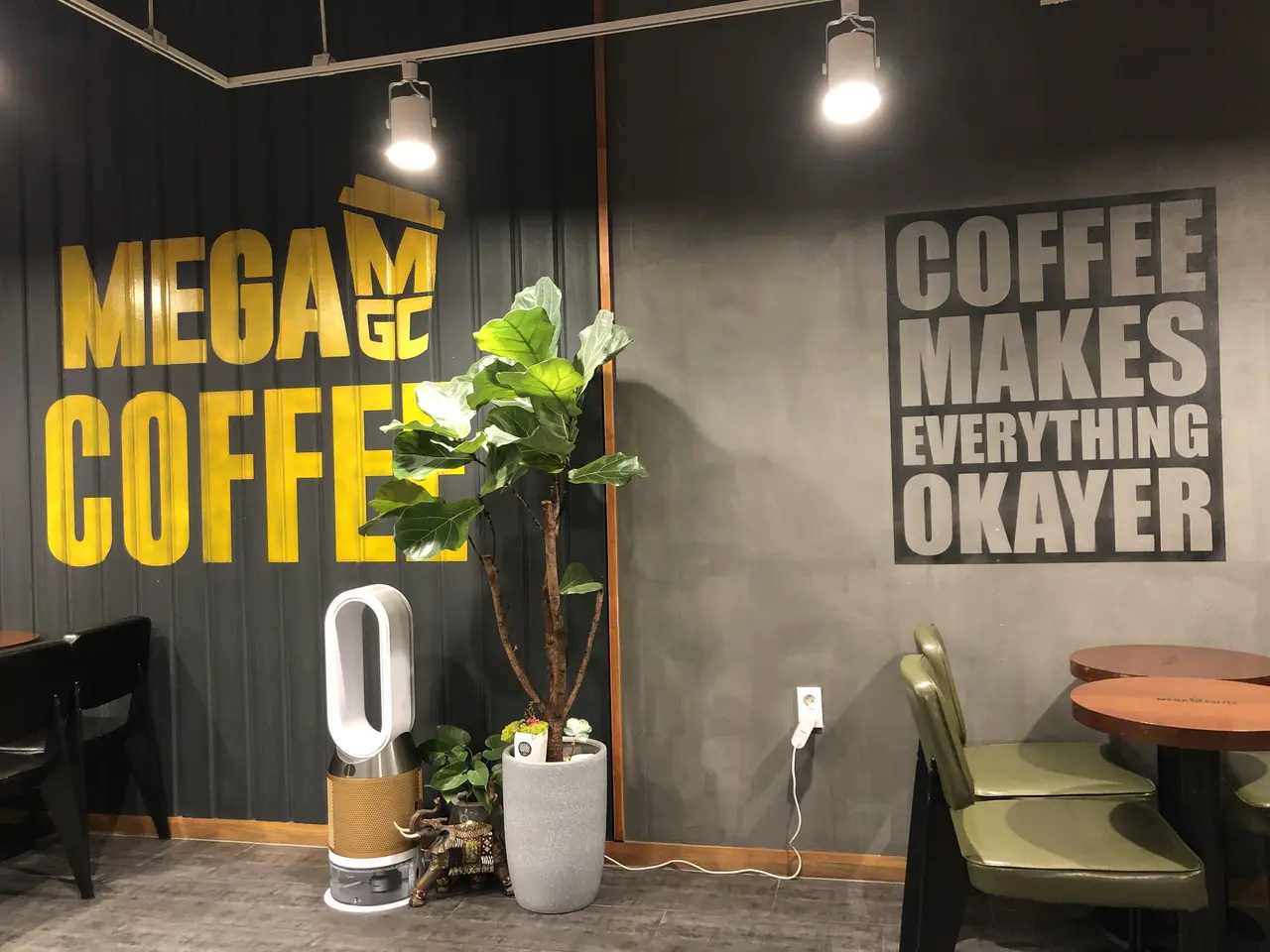
A growing number of South Koreans are turning to cafes as makeshift offices and study spaces. Known as cagongjok—a term first recorded in 2015—these patrons spend hours working or revising over coffee. The trend reflects both a lack of private space in crowded cities and a preference for the focused atmosphere cafes provide. The rise of cagongjok coincides with a rapid expansion of coffee shops across the country. Between 2010 and 2015, registered cafes nearly doubled, jumping from 30,000 to almost 60,000. Many now cater specifically to solo workers and students.
Some chains have adapted by creating dedicated quiet zones. A Hollys Coffee branch near Cheonggyecheon stream in central Seoul offers an entire floor for studying. Starbucks Korea has also rolled out ‘Focus Zones’ near university campuses, designed for patrons who need a distraction-free environment.
For customers like Seo Jae-won, a university student in Seoul, cafes offer the perfect balance of ambient noise and minimal interruptions. He typically stays for around three hours—longer than the one hour and 42 minutes a cafe needs to break even, according to the Korea Food Industry Research Institute. Lee Si-won, a barista in Incheon, estimates that 70 to 80 percent of her daily customers arrive with laptops or books in hand.
Psychologist Kwak Geum-joo explains that the presence of others can boost individual productivity. A moderate level of background noise, she notes, often helps sharpen concentration, making cafes an appealing alternative to silent libraries or cramped homes. The cagongjok phenomenon highlights how urban living and workspace demands are reshaping cafe culture. With limited private space in densely populated cities, many rely on coffee shops for both focus and comfort. As chains introduce specialised zones, the trend shows no signs of slowing down.