Why Interior Designers Should Get Paid to Visit Museums and Galleries
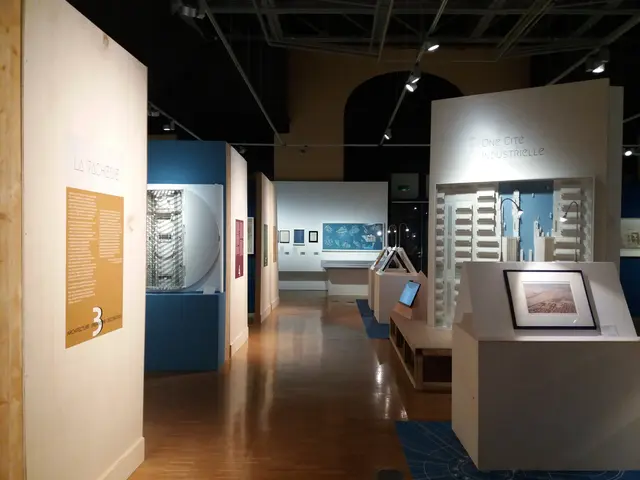
Interior designers often face pressure to deliver fresh, creative work while managing client demands. A new approach from DesignDash Growth Studio suggests that regular exposure to art could be the key to balancing both. The firm argues that visiting museums, galleries and art fairs should be a paid part of the job—not just a leisure activity.
Designers are regularly expected to make confident choices about colour, texture, scale and composition. Yet relying on the same references or working only from a desk can limit their judgment. According to DesignDash, seeing art in person sharpens a team’s instincts and gives them a broader visual vocabulary to discuss with clients.
Museums and galleries provide more than just inspiration—they offer new ways of thinking about proportion, tonality and juxtaposition. This exposure helps prevent a firm’s work from becoming repetitive, as designers bring back fresh perspectives. It also improves their ability to source pieces for clients by teaching them where to look and what questions to ask. The studio believes that understanding different types of taste—whether through contemporary exhibitions or historical collections—helps designers better match a client’s preferences. Rather than treating art visits as optional, they argue it should be structured into a designer’s working week.
By making art exposure a formal part of the job, firms could see stronger decision-making and more original work. Designers would gain not only new references but also the confidence to discuss art and materials with clients. The result could be a practice that stays creative while meeting commercial demands.