PrimaMedia, April 22
Vibrant koi carp return to Primorsky Aquarium's ponds after winter care
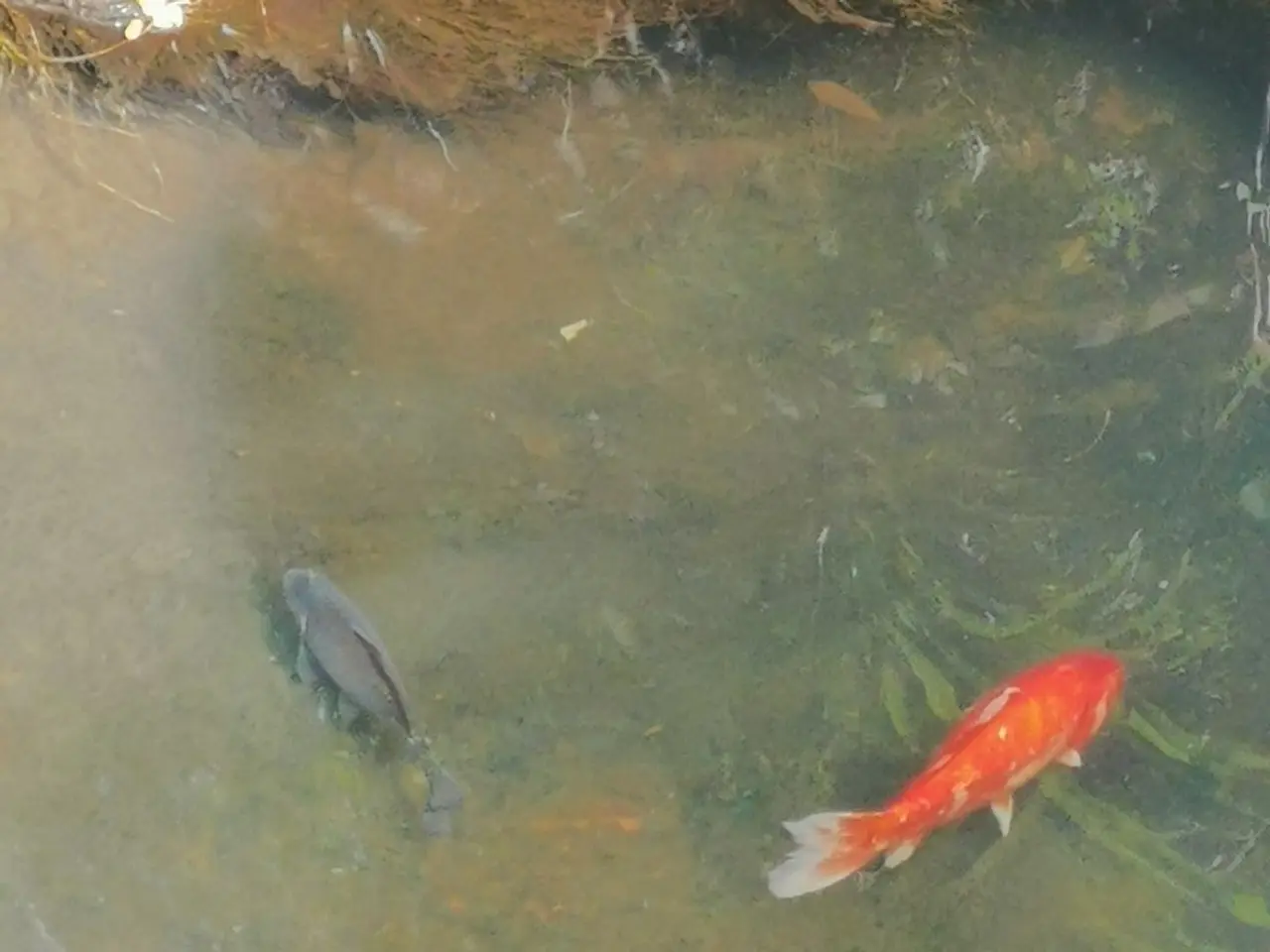
Decorative koi carp have returned to their ponds in the recreational area of Primorsky Aquarium. During the cold season, the fish were kept in warm pools at the scientific adaptation facility, and with the arrival of stable warm weather and the water reaching the required temperature, they were moved back outdoors, the press service of the scientific and educational complex reported.
"The recreational area of Primorsky Aquarium attracts visitors with its cascading ponds, home to various fish, including ornamental koi carp, which have been part of the aquarium's inhabitants since its earliest days as a scientific and educational center. Symbolizing resilience, koi can live for over 30 years," the statement reads.
According to experts, the timing of the koi's return to outdoor ponds depends on the water temperature. Once the pond water warms to 10 degrees Celsius (50°F) or higher, preparations for their relocation begin. A few days before the planned move, the temperature in the scientific adaptation facility's aquariums is gradually adjusted to match that of the outdoor ponds. The ponds themselves are topped up to full capacity and cleared of debris accumulated over winter, though a thorough cleaning is avoided to preserve the established ecological balance.
Unlike koi and large carp, which are moved indoors for the cold season, other pond inhabitants—such as bitterling, gudgeon, sunbleak, crucian carp, and small carp—successfully overwinter naturally at the bottom. The heat-loving koi, however, require indoor shelter in winter, though from mid-spring to late autumn, the open ponds provide ideal conditions. It is under the sun's rays that these carp develop their famous vibrant colors, drawing thousands of aquarium visitors eager to admire them.
All of the koi's pond-mates also belong to the extensive Cyprinidae order, which includes over 2,000 species of freshwater and anadromous fish. In Primorsky Aquarium's "Rivers and Lakes" exhibit, visitors can see carp, crucian carp, bream, grass carp, silver carp, white amur, and river mullet, alongside smaller species like gudgeon, goby, bitterling, and sunbleak. The marine exhibit features the rudd, while the "Tropical Forest" section showcases a variety of barbs.