Magadan’s gardeners crack the code for growing Napa cabbage in harsh climates
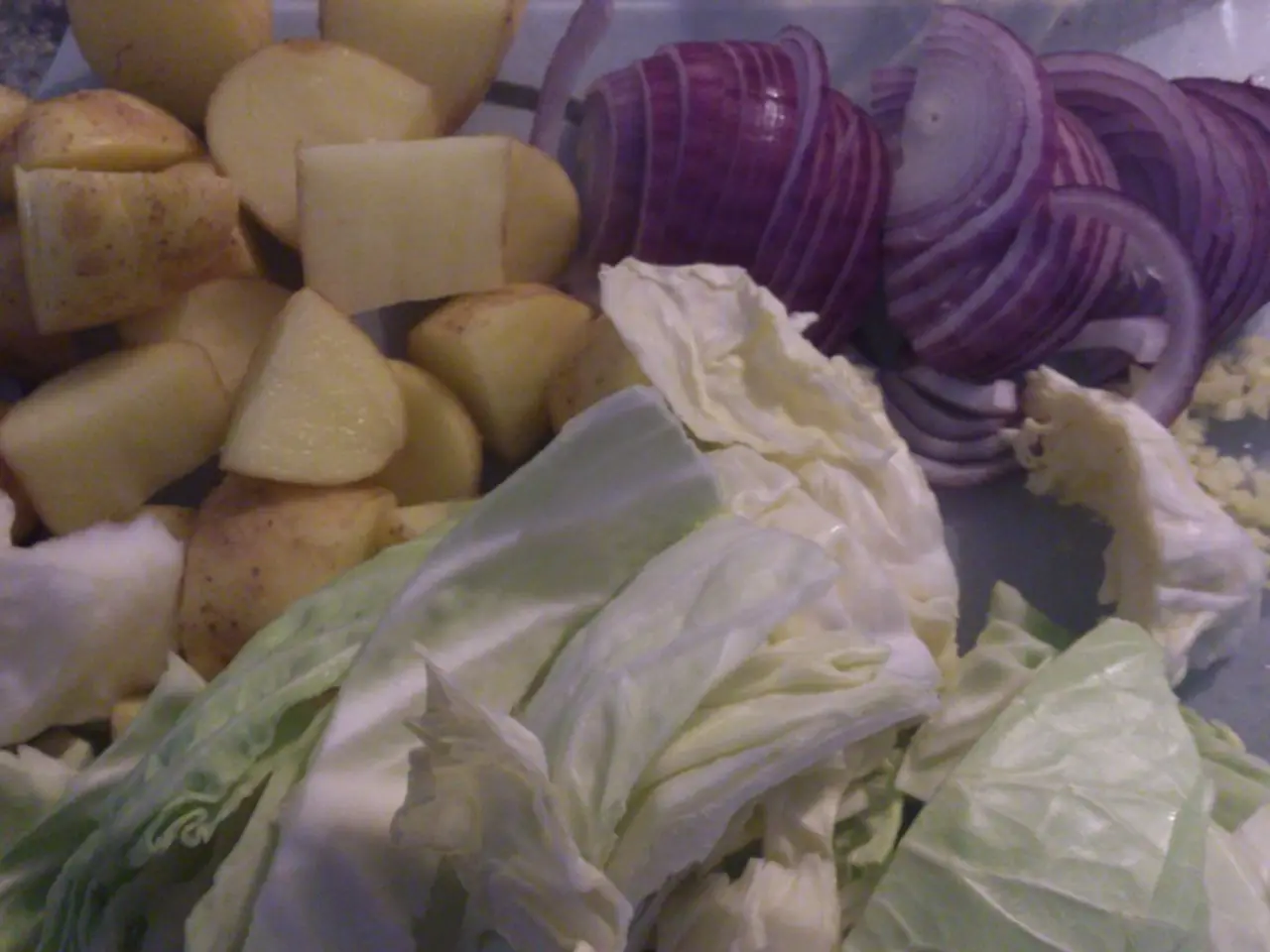
Gardeners in Magadan's 'Centralny' area have successfully grown Napa cabbage this year, following the planting scheme for early spring. The region's climate dictates specific sowing and care methods for this vegetable.
In Magadan, the spring sowing process begins in late March by starting seeds indoors. These seedlings are then transplanted outdoors between April 5 and 20, once temperatures reach +15–20°C (59–68°F). The 'Centralny' area followed this method in 2023.
After planting, the soil should be deeply watered once a week. Two weeks later, mulching the soil helps retain moisture. For optimal results, plant seeds in individual containers and keep them in a dark place until germination. After direct sowing, protect emerging shoots with agricultural fleece.
Napa cabbage can be sown twice a season: in spring and summer. For summer sowing, seeds are sown for seedlings in late June, and transplanted outdoors from July 20 to August 10. The plant requires about 1 liter of solution per plant, applied 3 times per season for spring planting and 2 times per season for summer planting.
Organic fertilizers are recommended for feeding Napa cabbage. These include cow manure infusion (1:10), chicken manure infusion (1:20), and herbal infusion (1:9).
Magadan's gardeners have demonstrated successful Napa cabbage cultivation by adhering to specific sowing and care methods. These include spring and summer sowing, regular watering, mulching, and organic fertilization. By following these guidelines, gardeners can ensure a healthy harvest of Napa cabbage.