How to Build a Thriving Garden with Expert-Backed Tips
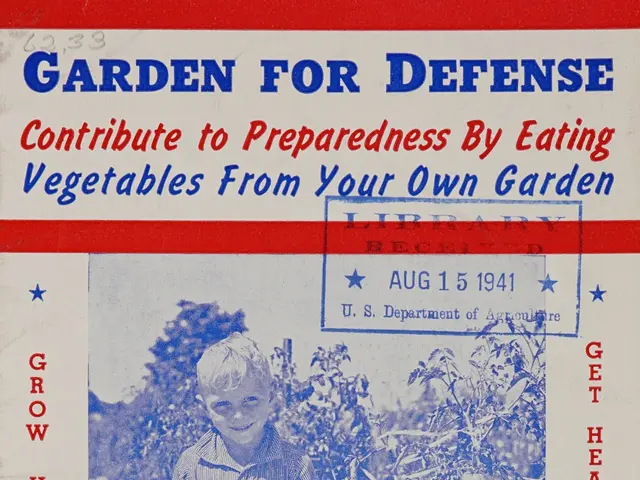
Before you plant anything, make sure your information is reliable. Research-based guidance can save you time, money, and frustration. Great sources include the U.S. Department of Agriculture and the Tulsa County Master Gardeners website under their Lawn & Garden Help section.
Fact sheets and university articles are especially helpful because they offer specific, research-backed advice on plants, soil, and pest management. A quick tip: when searching online, add ".edu" to your query for more reliable results.
Right Plant, Right Place
This is one of the most important rules in gardening. Make sure your plants match:
- Your climate zone
- Sunlight conditions (full sun, light shade, or deep shade)
- Available space for mature growth
Crowding plants or placing them in the wrong light conditions can limit their potential right from the start.
Build a Strong Foundation: Soil Matters
Good gardens start from the ground up. Remember that soil is not dirt, it's a living system that supports plant growth. Ideal soil contains minerals, water, air, and organic matter.
There are three main soil types:
- Sandy - drains quickly but dries out fast
- Clay - nutrient-rich but drains poorly
- Loamy - the ideal balance of drainage and fertility
Healthy soil leads to strong roots-and strong roots lead to strong plants.
One of the best ways to boost your garden is by adding compost. Compost improves soil structure; it helps retain water while also adding nutrients and supporting beneficial organisms.
It's especially helpful for both sandy and clay soils, making it a must-have for any gardener.
Protect Your Plants
Mulching is one of the easiest ways to protect your garden. Mulch can help you retain soil moisture and keep your soil cool. It can also aid in reducing weeds and improving nutrients retention. You can think of mulch as a protective blanket for your plants.
Maximizing your garden comes down to a few key principles:
- Give your plants a good home (right plant, right place)
- Build strong soil with compost
- Provide proper nutrients and water
- Protect your garden with mulch
By combining trusted resources with these simple practices, you'll set your garden up for success all season long.
All the information on this fact sheet was graciously provided by OSU Extension - Tulsa Master Gardeners.