Kazakhstan's Mangystau Region unites 20,000 volunteers for historic eco-cleanup
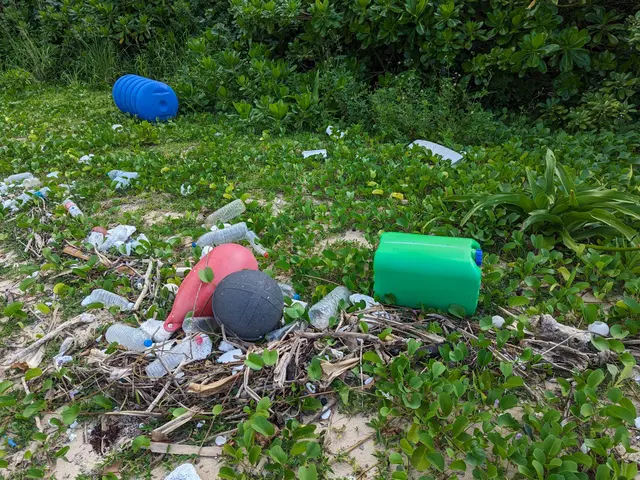
More than 20,000 people took part in the Clean Kazakhstan campaign across Mangystau Region in April 2026. The effort targeted waste removal, illegal dumping, and tree planting, aiming to improve the area’s environmental health. Local officials described the initiative as a key step toward building a stronger ecological culture. The campaign saw large-scale cleanups in coastal zones, residential neighbourhoods, and areas near historical sites. Volunteers removed hundreds of tons of rubbish, with nearly 30 tons cleared along the road to Warm Beach alone. Illegal dumping hotspots were a major focus.
In Zhanaozen, organisers distributed 745 saplings and 43,800 plants, including 6,320 perennial rose bushes. The Green Future community event drew around 12,000 residents, who planted nearly 5,000 trees. Governor Nurdaulet Kylbayev highlighted the importance of these actions in shaping long-term environmental habits.
Aktau also saw progress, with about 400 trees planted this spring and plans to reach over 2,000 by the end of the year. Authorities there have increased inspections and penalties to maintain cleaner public spaces. Major events attracted between 10,000 and 12,000 volunteers, supported by over 100 pieces of specialised equipment. The campaign removed vast amounts of waste, planted thousands of trees, and engaged communities across the region. Local leaders now plan stricter oversight of sanitary conditions, with regular checks and fines for violations. These measures aim to sustain the improvements made during the initiative.