How Your Toilet Paper Choice Could Save Forests and Water
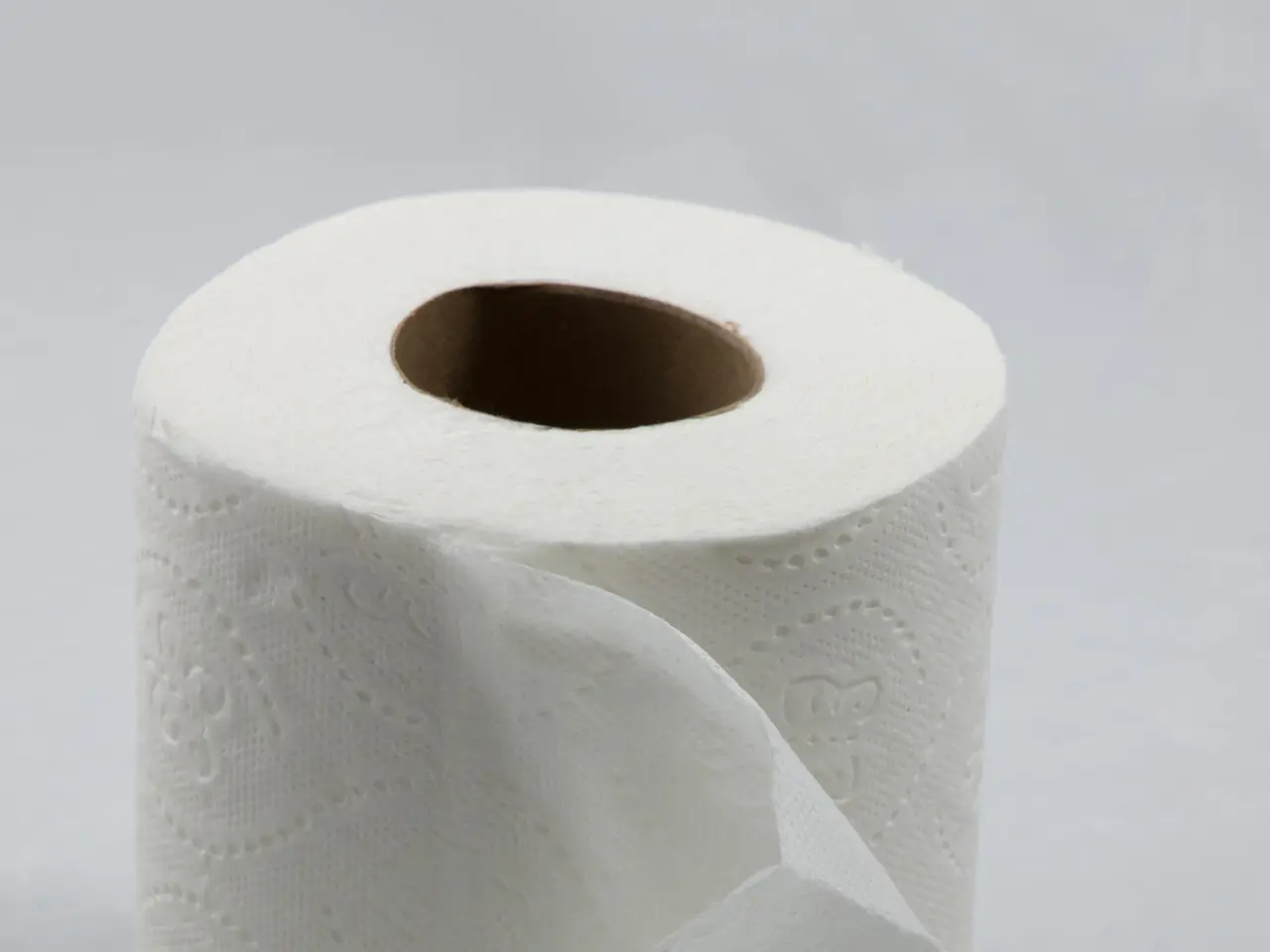
Toilet paper production often harms the environment through tree logging, heavy energy use and chemical pollution. Yet many consumers now want greener alternatives—ones made from recycled materials or sustainable sources. Finding the right option, however, can be confusing without clear guidance. Traditional toilet paper relies on cutting down trees and energy-heavy processes that release pollutants. A single roll of recycled toilet paper, though, could save over 1 billion gallons of water and 1.6 million trees in the U.S. alone. Switching to recycled fibres also avoids chlorine bleaching, which further reduces environmental damage.
The Natural Resources Defense Council releases an annual report ranking brands on sustainability. Key factors include recycled content and eco-friendly bleaching methods. Labels like the Forest Stewardship Council or Sustainable Forestry Initiative mark products backed by scientific sustainability standards. For those willing to move beyond paper, bidets offer a water-efficient alternative that cuts logging entirely. Bamboo toilet paper is another option, especially when produced in regions using renewable energy. While sustainable choices often cost more, their long-term benefits for forests and water supplies are measurable.
Recycled toilet paper and certified labels provide a clear starting point for eco-conscious buyers. Small changes in purchasing habits can lead to large-scale reductions in water use and deforestation. The shift towards greener options is growing, but awareness of reliable certifications remains key.