How paisley evolved from Persian art to modern wallpaper trends
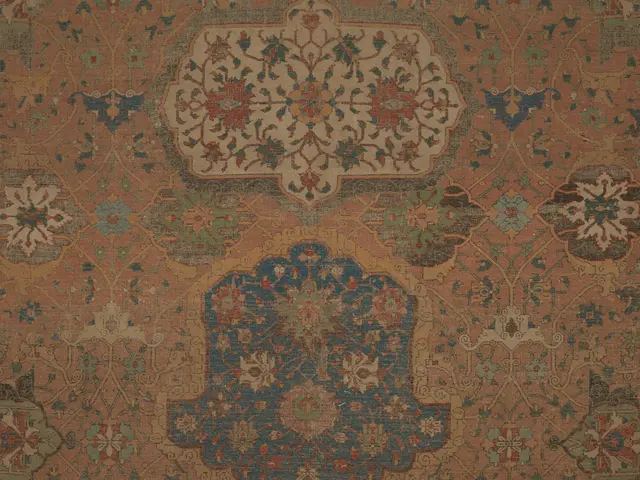
The paisley motif has a long and varied history, stretching back centuries. Originally inspired by Persian designs, it later became a staple in European textiles. Today, its influence extends from fabrics to wallpaper, showing remarkable staying power in design trends. The pattern began as the boteh, an ancient Persian design linked to the tree of life. Its shape drew from natural forms like buds, cones, and palm fronds. Long before it reached Europe, the motif appeared in woven, embroidered, and printed cloth across Persia, India, and Central Asia.
By the late 18th and early 19th centuries, the design became closely tied to Kashmiri shawls. These luxurious textiles were highly prized, featuring intricate paisley patterns. The name itself, however, comes from Paisley, Scotland—a town that mass-produced imitation shawls using the same motif. In the 19th century, paisley expanded beyond shawls into broader European textile design. Its use in wallpaper came much later, with a notable revival in the 1960s. Early examples of paisley wallpaper existed before the British name took hold, but its popularity surged during the mid-20th century. Modern wallpaper designs now incorporate paisley in many ways. Some feature delicate, natural tones, while others use bold, repeating patterns for a more formal look. The motif’s adaptability has kept it relevant across different eras and styles.
From ancient Persian textiles to 1960s wallpaper, paisley has evolved while retaining its distinctive shape. Its journey reflects cultural exchanges and changing design tastes. The pattern remains a versatile choice, appearing in everything from subtle neutrals to striking, repetitive prints.