How Northern Colorado Gardeners Can Save Pollinators This Spring
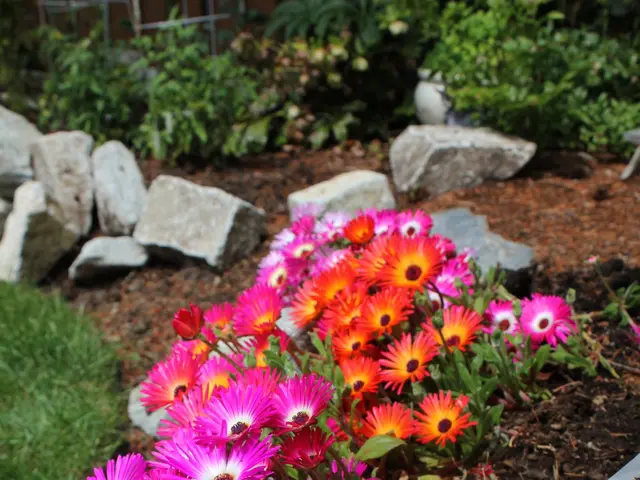
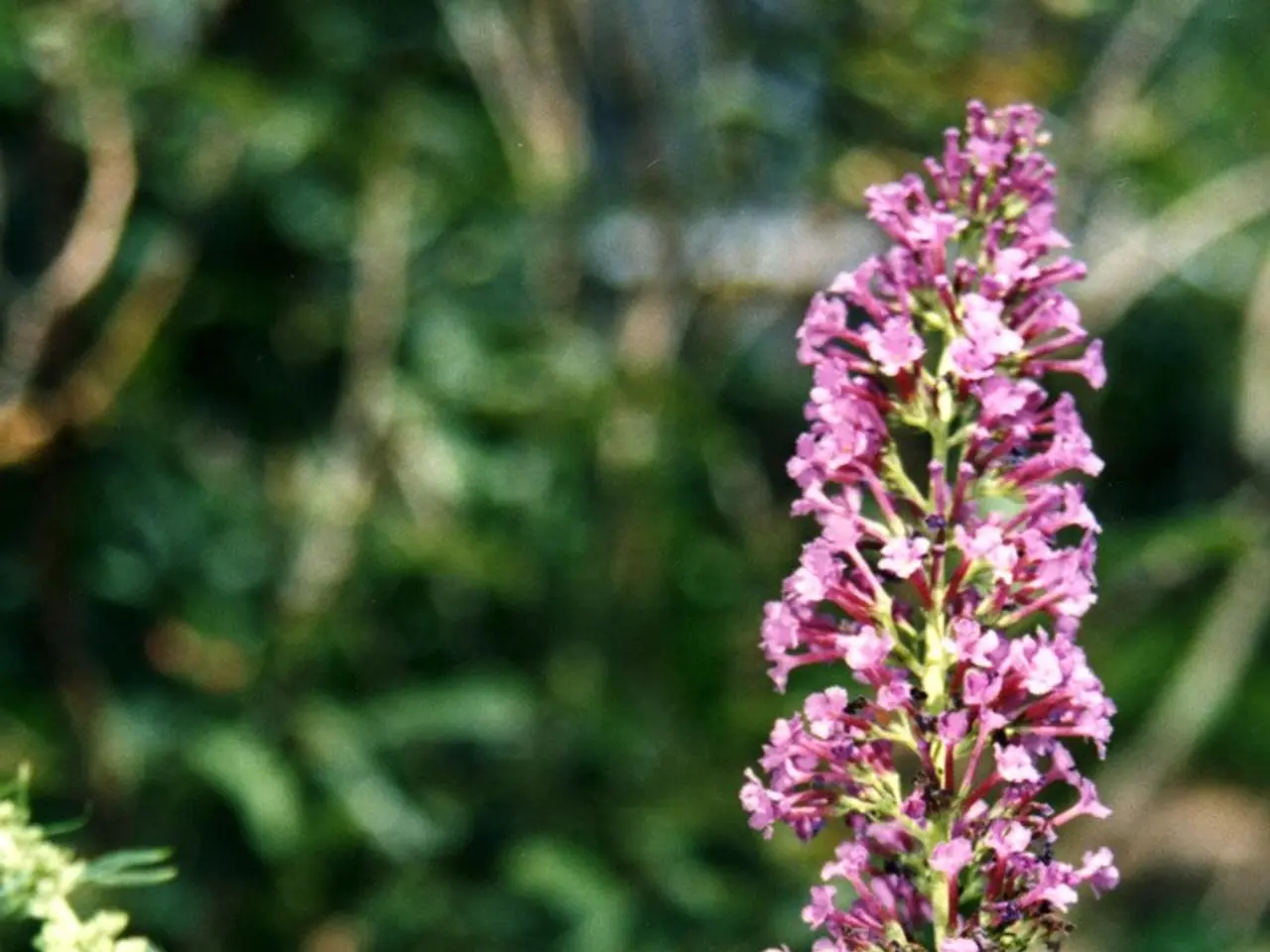
As spring arrives in Northern Colorado, the return of honeybees, butterflies, and hummingbirds marks a seasonal shift. Gardeners in the region can play a key role in supporting these pollinators by making thoughtful planting choices—even in small spaces. A well-planned garden with varied heights, bloom shapes, and flowering times creates an ideal habitat for pollinators. Native and drought-tolerant plants, such as swamp milkweed and Rocky Mountain penstemon, offer the most benefits. These species thrive in Northern Colorado’s dry climate while providing essential food sources.
Perennials like sea holly, agastache, penstemons, and milkweed are particularly effective. They attract bees, butterflies, and hummingbirds while requiring minimal water. Annual flowers, including zinnia, sweet alyssum, and torch tithonia, extend pollinator activity into late summer and early autumn. Herbs also contribute when allowed to bloom. Flowering oregano, dill, mint, and sage draw beneficial insects, adding another layer of support. Since many pollinator-friendly plants are drought-resistant, this approach aligns naturally with water-wise landscaping.
Small planting decisions can create a thriving ecosystem for pollinators. By mixing perennials, annuals, and herbs, gardeners ensure food sources from early spring through autumn. The result is a vibrant, sustainable garden that helps bees, butterflies, and hummingbirds flourish.