Germany's hidden rule lets you pick wildflowers—with strict limits
Spring has arrived, filling parks and public spaces with vibrant blooms. While the sight of flowers in full colour is a welcome change, strict rules govern what can and cannot be picked.
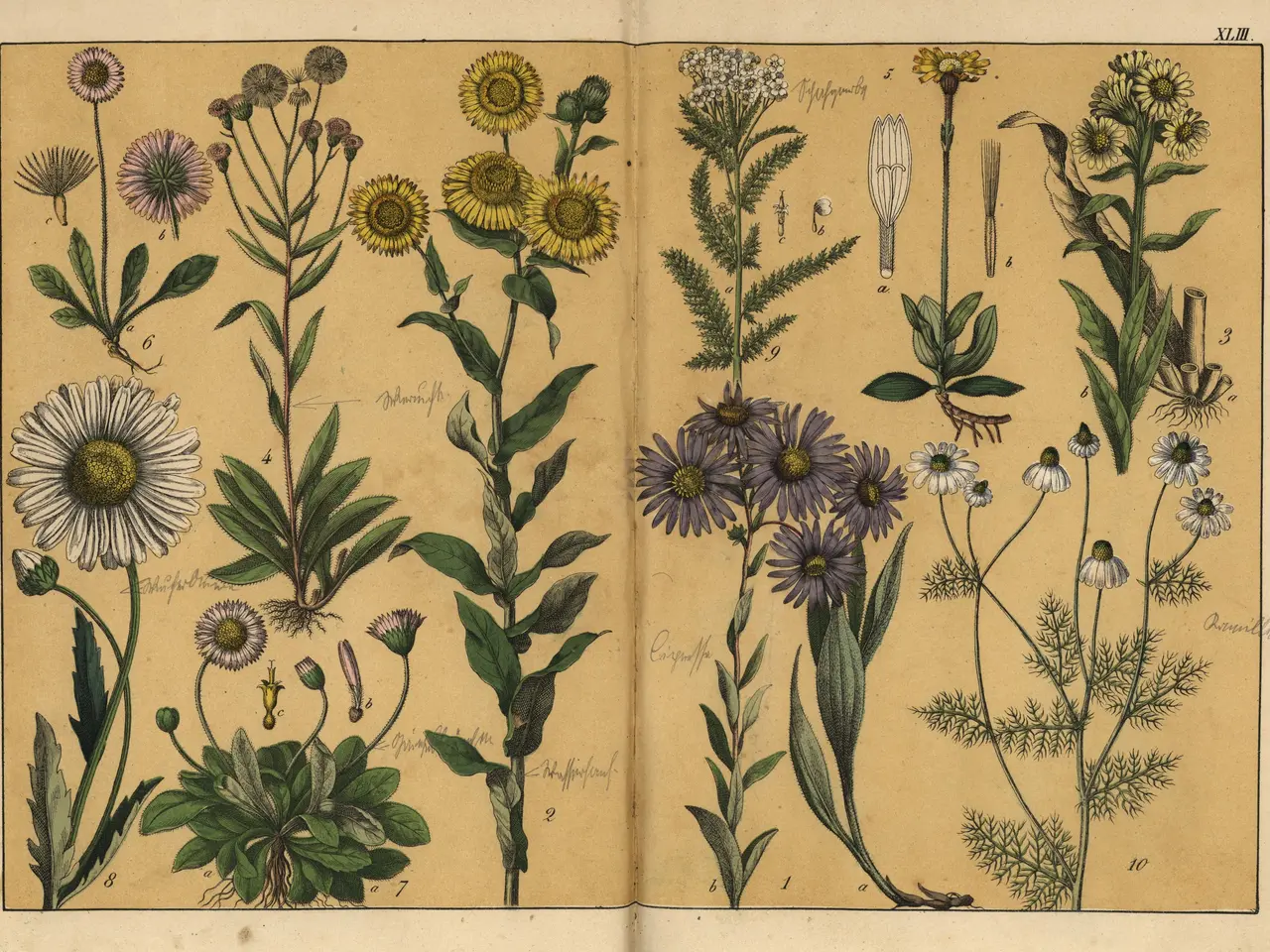
In Germany, removing wild plants from their natural habitat is usually banned under species protection laws. However, a little-known exemption exists: the Handstraußregelung, or hand bouquet rule. This allows people to gather small amounts of wild flowers for personal use—provided they are not protected species.
The rule does not apply to cultivated plants in public flower beds. Picking or damaging these counts as theft or property damage, both of which are criminal offences. Municipalities maintain these displays for everyone to enjoy, and taking them is illegal. Certain wild species remain off-limits as well. Arnica, blue stars, aconite, crocuses, cowslips, daffodils, chess flowers, irises, tulips, carnations, gentians, and some ferns and mushrooms are all protected. Even under the hand bouquet rule, collecting these can lead to penalties. Leaving flowers undisturbed benefits both people and wildlife. Blooms last longer, supporting pollinators and brightening public spaces for weeks to come.
The hand bouquet rule offers a narrow exception for picking wild flowers, but most plants remain protected. Violations—whether in public gardens or with rare species—can result in fines or legal consequences. Authorities encourage enjoying the displays without removing them.