Þorri: Iceland's Ancient Winter Festival Revives Viking Traditions
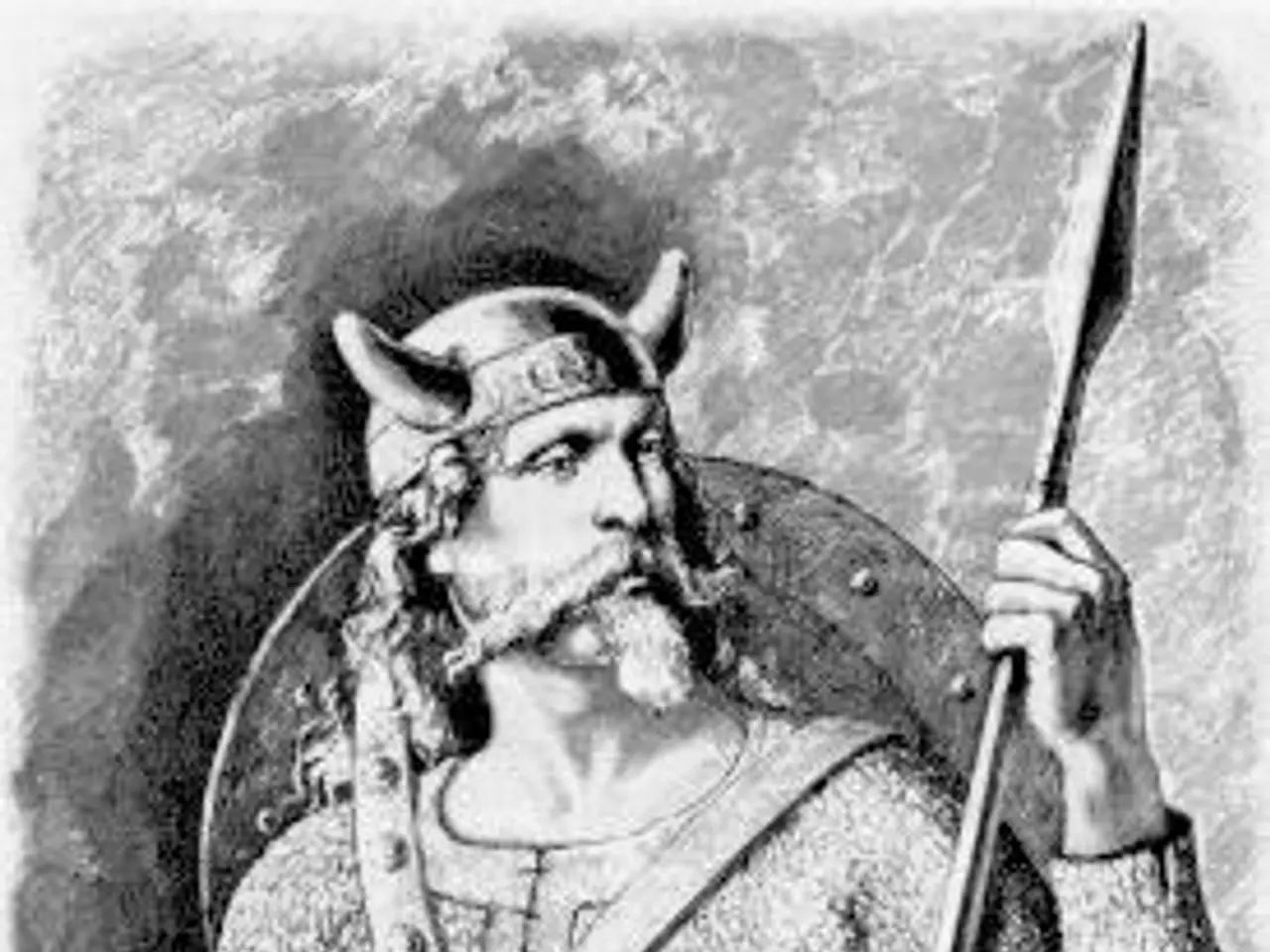
From late January to the end of February, Iceland celebrates Þorri (Icelandic: Þorri), a festival named after the fourth month of winter in the old Icelandic calendar. Unlike many cultures, Iceland traditionally recognizes only two seasons—summer and winter—and Þorri begins on the thirteenth Friday of winter, marking the harshest stretch of the year. The origins of the name remain unclear: some believe it refers to a Norse god (possibly Thor himself), while others suggest it denotes a spirit of weather and nature.
Whoever Þorri may have been, ancient Icelanders sought to appease him with sacrificial offerings (blót). The festival is closely tied to Husband's Day (Bóndadagur), though the once-pagan feasts—originally linked to these rituals—were long suppressed by the Church.
The first written mentions of Þorri appear in 13th-century manuscripts, making it one of Iceland's oldest traditions, rooted in pre-Christian times. The custom of festive gatherings revived only in the 19th century, fueled by romantic nationalism. In 1874, residents of Akureyri marked Iceland's centennial of settlement by reviving Þorri in grand style—adorned with Viking-themed decor: indoor bonfires, walls hung with weapons and shields, carved thrones for honored guests, and traditional food. The festival was officially recognized only in 1960.
Today, Þorri symbolizes a return to Icelandic heritage, serving as a tribute to the nation's recent past. Throughout the month, Icelanders embrace traditional cuisine—once the staple diet of a people who, facing the threat of starvation, learned to make use of every available resource. Few foreigners can fully appreciate the ingenuity behind dishes ranging from boiled and singed sheep's heads to seal flippers. With salt in short supply, Icelanders developed alternative preservation methods: lamb and whale meat were smoked in chimneys using dung-fired smoke (hangikjöt); shark meat (hákarl) was buried in the ground to ferment, reducing its ammonia content; ram's testicles (hrútspungar) and blood pudding were soaked in sour whey, while fish was left to dry in the wind. For those squeamish about facing their meal head-on, sheep's head cheese offered a more palatable alternative. The centerpiece of the feast remains fermented shark, renowned for its distinctive—some might say acquired—aroma and flavor.
It's worth noting that particularly pungent dishes are traditionally washed down with Brennivín, a potent schnapps nicknamed "Black Death" after the government's attempt to curb alcoholism by slapping it with a black warning label.
The celebrations of Þorráblót come with their own special rituals, including one rather amusing tradition: to welcome Þorri, the head of the household would hop barefoot around the house on one leg, wearing only one trouser leg while the other flapped freely.
The best part of the festival is that it doesn't last just a single day—instead, different regions of Iceland celebrate it at various times over several weeks. This gives enthusiasts the chance to fully immerse themselves in Þorráblót traditions by embarking on a festive marathon, traveling from one settlement to another...


