May is the perfect month to transplant tomato seedlings in Russia
May marks the best time for transplanting tomato seedlings across much of Russia. Gardeners are preparing to move young plants into open ground or greenhouses. Proper timing and techniques can help ensure a strong start for the growing season. The ideal planting window varies by region. In Southern Russia, early April works best, while Central Russia sees transplanting in early to mid-May. For the Ural and Siberia, mid-May is recommended. Each area requires stable temperatures to avoid stressing the plants.
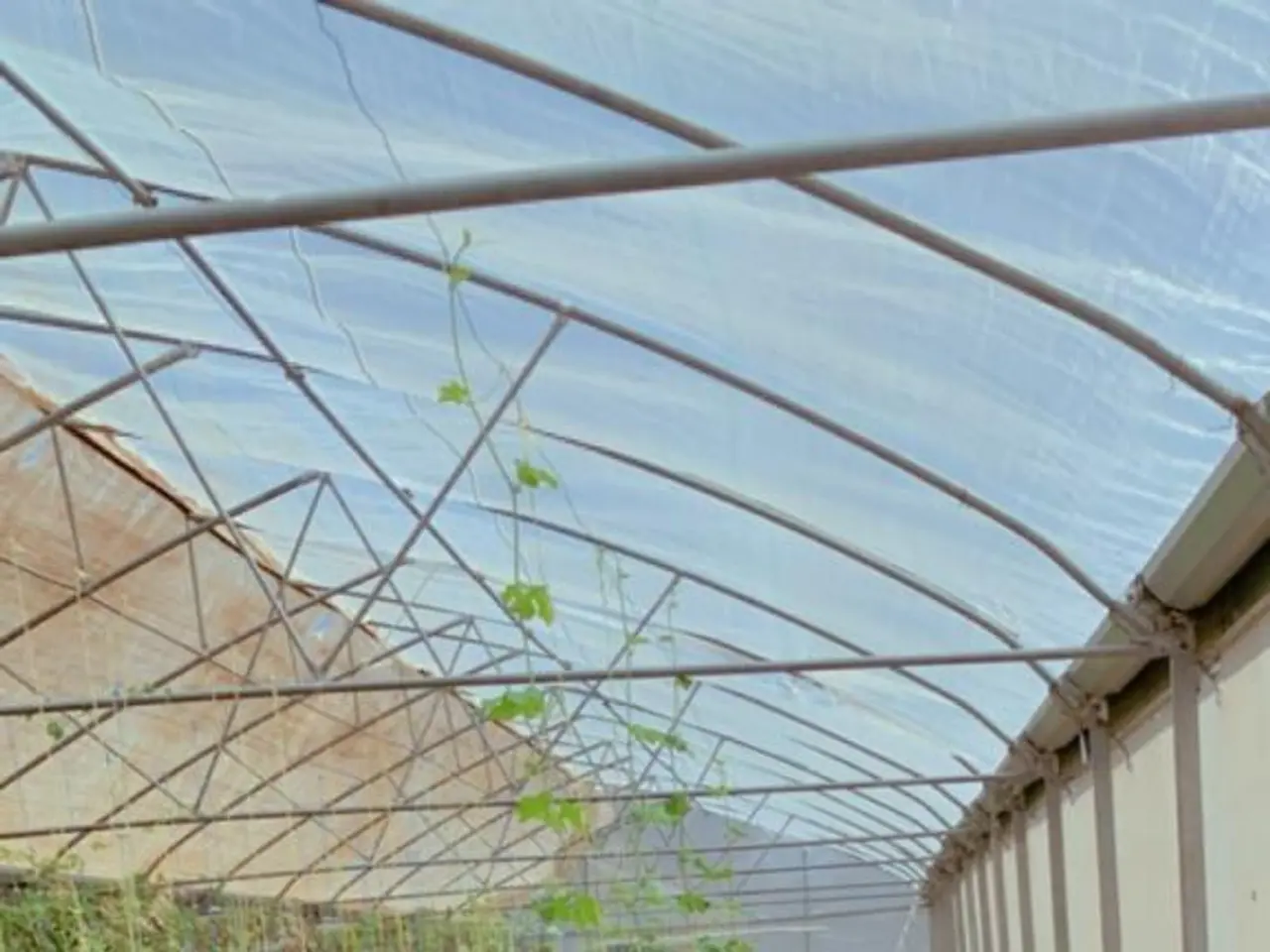
Before moving seedlings, soil must reach the right warmth. Open ground needs 15°C at 10 cm depth, with daytime highs of 18–22°C and nighttime lows above 12°C. Greenhouses can handle slightly cooler soil at 13–15°C, but daytime temperatures should still stay between 15–20°C, with nights no lower than 10–12°C. Transplant shock can weaken young plants. To reduce stress, seedlings should be watered well 6–10 hours before moving. Hardening them off for 10–14 days beforehand also helps them adjust to outdoor conditions. Some gardeners also check the lunar calendar for favourable dates, such as May 3, 6–7, 11–14, 19–30 or June 2–4, 7–9, 11–13, 17–26 in 2026. Following these steps improves survival rates. Proper care during transplanting sets the stage for a healthier crop later in the season.
Transplanting tomatoes at the right time and with the correct methods boosts their chances of thriving. Gardeners who prepare soil, monitor temperatures, and reduce shock will see stronger plants. These practices lead to better yields when harvest time arrives.