Country lanes spark tensions between farmers and outdoor enthusiasts
Spring Brings Tensions to Rural Paths: Farmers, Cyclists, and Walkers Clash Over Shared Space
Every spring, rural lanes grow more crowded: farmers need to access fields and meadows with tractors, while cyclists and walkers, eager to enjoy the outdoors after winter, take to the same paths—a recipe for conflict. Farmers have shared their experiences with our website, describing the challenges they face and how they navigate them.
Kuno V. emphasizes the core issue: "Mutual respect and consideration should be the top priority in these encounters." Yet he notes a troubling trend: "More and more cyclists ignore this principle, deliberately slowing down or even provoking agricultural traffic." Many fail to recognize that these farm tracks were built—and paid for—by and for farmers.
Franz S. agrees: "Coexistence is absolutely key, but we must remember that field paths, as the name suggests, primarily serve farming." He personally drives slowly near them and waits when turning until pedestrians or cyclists have passed. "But when a group of 15 leisure enthusiasts comes my way and gives me grief because they can't walk five abreast to enjoy their free time—that's where my understanding ends." He's equally frustrated by motorists who complain about dust or straw on their parked cars.
Yet farmers aren't blameless either. Some behaviors draw criticism, like the use of unauthorized air horns—one farmer reported a device exceeding 105 dB(A), far louder than the legal limit for standard vehicle horns (§ 55, Paragraph 1 of Germany's Road Traffic Licensing Regulations, or StVZO). The regulations also state that horns must not startle other road users or cause unnecessary noise.
Horns may only be used outside built-up areas when overtaking or to avert danger (§ 16 StVZO). Unnecessary honking is classified as noise pollution (§ 30, Paragraph 1 StVZO).
When a tractor over 3.5 tons needs to overtake a cyclist outside a town, it must maintain a minimum distance of two meters—a near-impossible feat on a three-meter-wide path. The only option? Follow behind and hope the cyclist pulls aside.
But overtaking isn't the only tight squeeze—oncoming traffic poses similar risks. When tractors and cyclists meet head-on on narrow farm tracks, tensions rise, and dangerous situations can unfold.
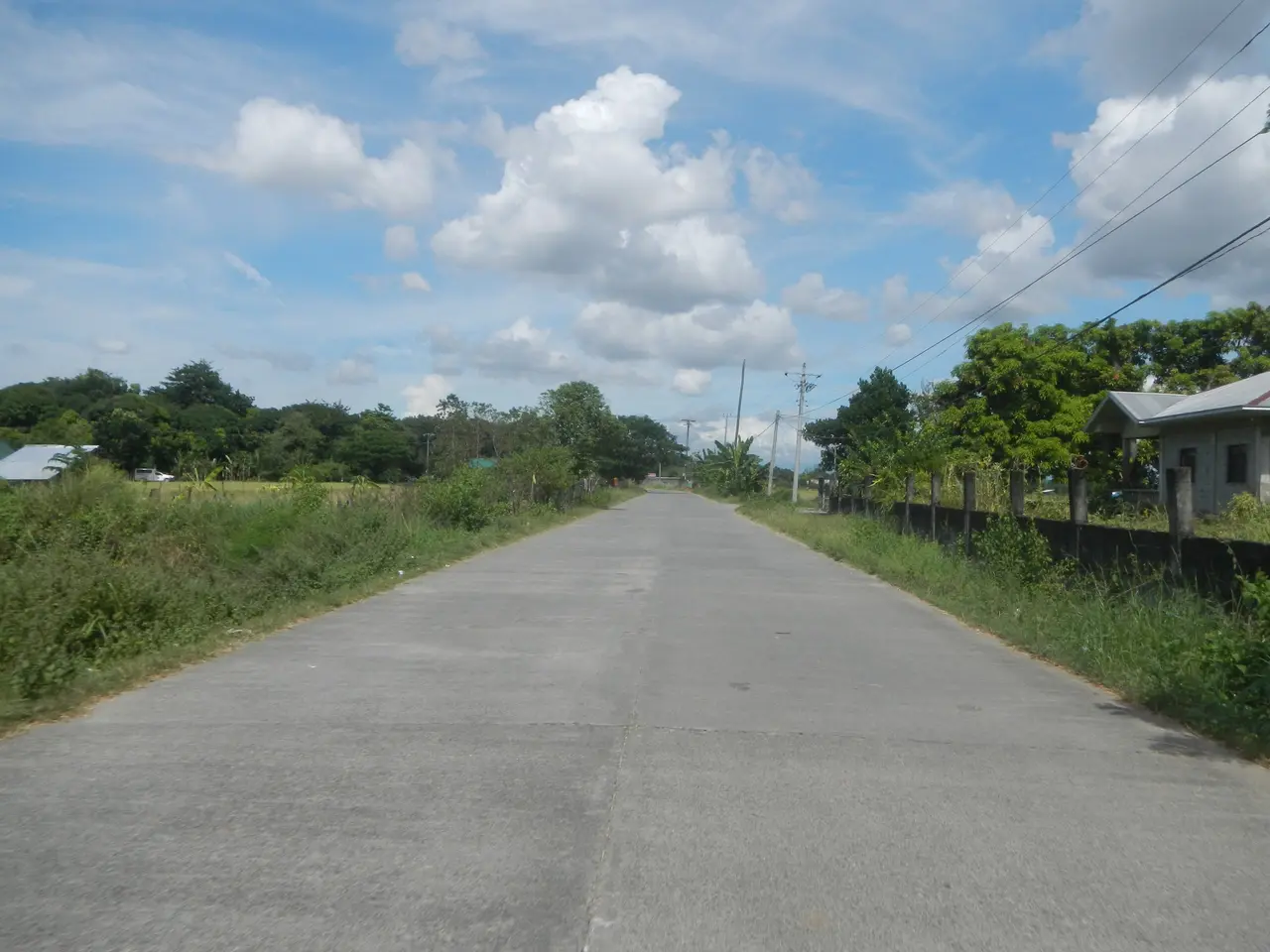
Rike M. describes a 3.2-meter-wide farm track she upgraded with a concrete guide rail. Hedgerows line both sides, with only field entrances and cross paths clear. "Local cyclists and walkers use this route regularly. Following behind them is usually no problem—often, they even wave me past at a suitable spot if needed."
The real issue? Oncoming cyclists. "It's an absolute disaster," she says. "I always stop to let them pass safely, but there's just no room. With other vehicles, it's never a problem—drivers pull over at a wide spot. Cyclists, though, are often hard to spot in time, rarely move aside, and don't wait to let me through. With a full trailer, I can't just drive off the paved section."
In such cases, cyclists should—if only for their own safety—stop and allow an oncoming tractor to pass. Self-preservation alone should make that clear.


