Tres Pozos Brings Argentina's Mining Tragedy to Porto's Stage
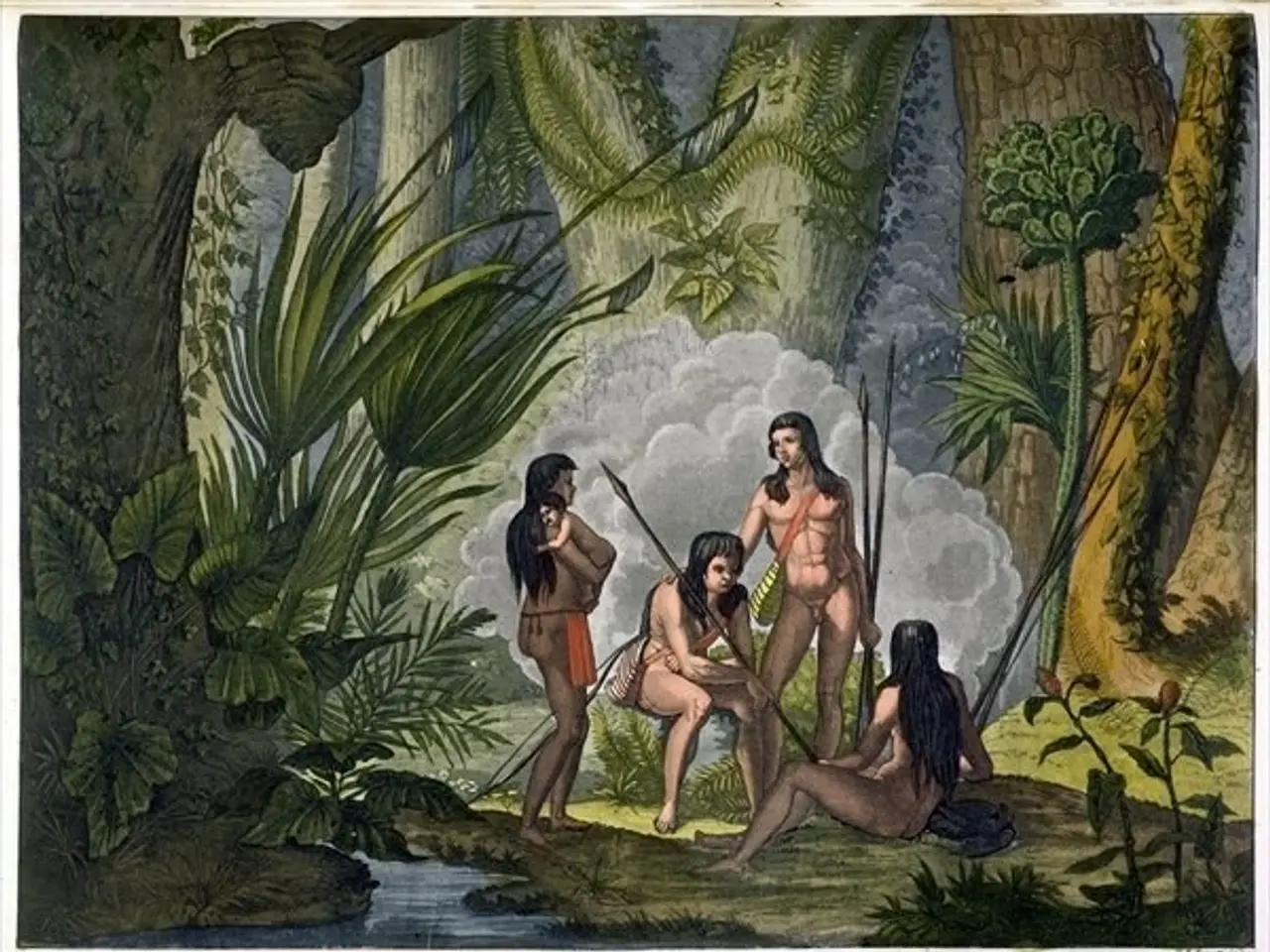
A new documentary theatre piece, Tres Pozos, will take the stage at Teatro Rivoli on the 16th and 17th of this month. Created by Marco Canale and Miguel Oyarzun, the production explores the harsh realities of mining exploitation in a remote region of Argentina. The work was shaped in partnership with the Wichí, an Indigenous community deeply affected by the issue. Tres Pozos was originally set to premiere at a festival in Argentina. However, the debut was called off after several members of the Wichí community died due to isolation, lack of healthcare, and extreme poverty. The tragedy prompted a reassessment of the production’s timing and purpose.
Gonçalo Amorim, director of FITEI, highlighted the significance of these events. The performance now arrives in Porto with a heavier weight, as it documents not just exploitation but also the human cost tied to it. The piece blends testimony, research, and theatrical storytelling to bring the region’s struggles to light. The collaboration with the Wichí community forms the core of the project. Their voices and experiences shape the narrative, offering a direct account of the hardships faced. The production questions how theatre can—and should—respond to such urgent realities.
The upcoming performances at Teatro Rivoli will mark the first public showings of Tres Pozos since its initial cancellation. The piece now serves as both a record of mining’s impact and a tribute to the lives lost. Audiences will witness a work born from both artistic inquiry and real-world crisis.