NYC's Ambitious Plan to Transform Streets with Millions of Trees
NYC's bold 14-year plan to grow its urban forest by 2040
The summer heat in cities can quickly become unbearable, turning streets into a concrete sweat fest. Paving and buildings act as huge heat batteries, absorbing high temperatures during the day and radiating them at night, making some streets feel like ovens.
But New York City is gearing up for a significant improvement in its shade provisions. Mayor Zohran Mamdani and the Mayor's Office of Climate & Environmental Justice have just unveiled the official NYC Urban Forest Plan for 2026. This plan outlines a comprehensive green transformation for the five boroughs.
The Big Goal: 30% Tree Canopy Coverage by 2040
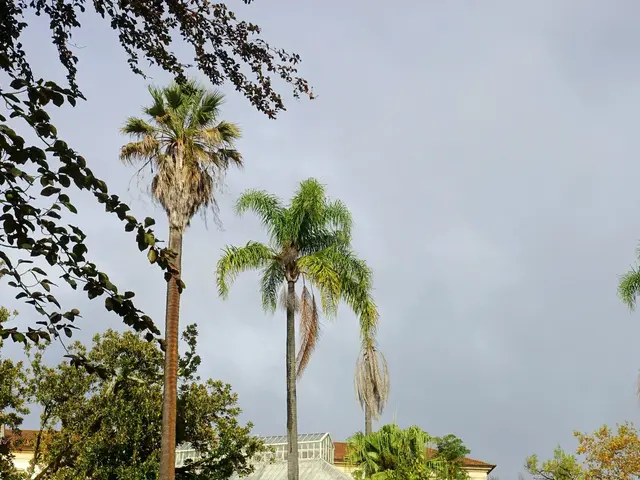
New York City currently has about 7 million trees, covering a little over 23% of the city. The new plan sets an ambitious goal to increase tree canopy coverage to 30% by 2040.
To achieve this goal, the city needs to add an average of 700 acres of new tree canopy every year for the next 14 years. This is equivalent to covering half the area of the entire Bronx.
Trees do more than just look nice. The city estimates that its urban forest provides over $360 million in benefits annually by reducing energy costs, purifying the air, absorbing rainwater, and significantly lowering surface temperatures.
Prioritizing the Hottest Neighborhoods
Not all neighborhoods and streets have equal shade. In environmental justice areas, tree canopy coverage is currently only 19%, compared to 26% in other parts of the city.
The Parks Department is overhauling its tree-planting approach. Instead of waiting for residents to call 311 to request a tree, they are mapping out hundreds of planting zones and prioritizing neighborhoods most vulnerable to heat.
The goal is to bring shade, cooler air, and better health to communities that need it most.
How NYC Plans to Plant Millions of Trees
Finding space to plant millions of trees in a densely populated metropolis is no easy task. The city has several strategies:
- The NYC Tree Canopy Challenge: The city is calling on private property owners, institutions, and smaller apartment complexes to contribute. It offers training and technical support to help homeowners plant and care for new trees in their front and back yards.
- Greening Social Housing: The plan explores NYC Parks taking over tree maintenance on NYCHA campuses, prioritizing new plantings in social housing areas lacking shade.
- Planting Trees at Bus Stops: The Department of Transportation and NYC Parks are working together to plant trees designed to provide shade at bus stops.
- Creating 'Mini-Forests': The city plans to transform underutilized land into blooming food forests and mini-forests. These dense green spaces mimic natural ecosystems and create essential habitats for birds and insects.
How You Can Get Involved
Planting an urban forest is a massive community project that requires everyone's participation. New Yorkers can become 'Super Stewards' through NYC Parks, gaining the tools and skills to care for neighborhood trees.
You can also look forward to the annual City of Forest Day this fall, with over 100 free activities across the five boroughs, such as nature walks, planting events, and tree care workshops.
Read the full Urban Forest Plan on the city's official website and get ready for a cooler, greener New York!