The Scandinavian New Year
How the Viking Winter Nights Festival Prepared Communities for Harsh Seasons
Marked at the end of preparations for the winter season, this is the time when nature's vitality wanes and people turn their thoughts toward spiritual values.
The holiday is sometimes called "Winter Nights"—or Vetrnætr in the Icelandic calendar—meaning the Festival of Winter's Beginning.
Originally, like many ancient celebrations, it was observed over several nights, signaling the shift into the "nighttime" season, when the sun sets early behind the horizon in the northern latitudes of Finland, Iceland, and Norway.
Rooted in deep antiquity, the festival symbolized the threshold of a challenging period when entire communities depended on their own resilience rather than nature's bounty.
Traditional rituals of this time focused on sharpening concentration, cultivating willpower, and honing strength and agility, as well as mastering new skills. Their essence lay in the sense of accomplishment—"I did it"—and the joy of bringing an idea to life.
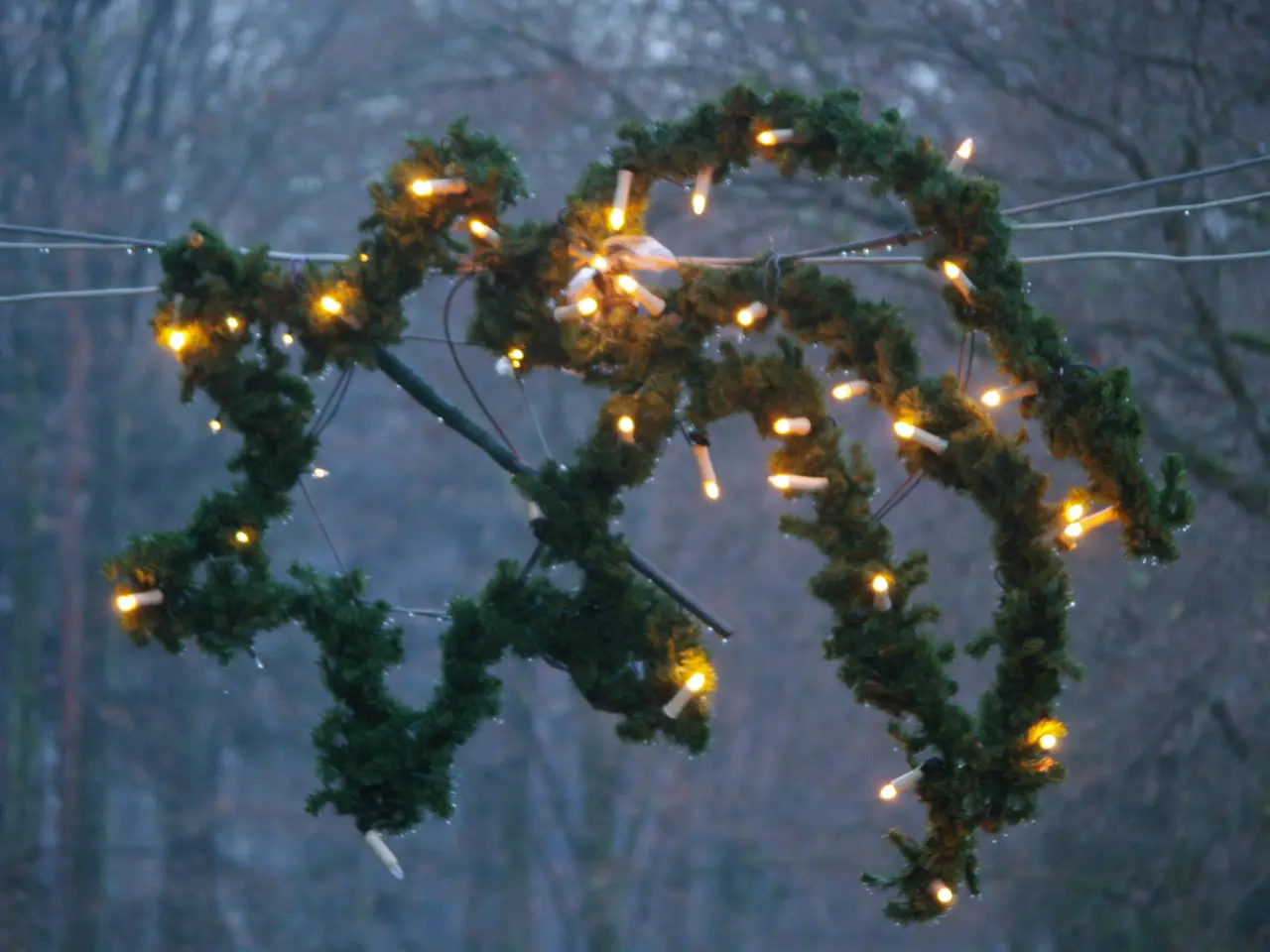
Fire was the elemental force of this period and its rites. People lit bonfires, held Viking competitions, and more.