How the Santacruzan Keeps Filipino Faith and Folklore Alive in May
May remains a month of vibrant tradition in many Filipino towns and cities. Despite shifts in how people celebrate, the santacruzan—a religious and historical pageant—still takes centre stage. Known also as Flores de Mayo, this colourful event blends faith, folklore, and community spirit in a procession led by Reyna Helena and her court of sagalas. The santacruzan traces its roots to the legend of Helena of Constantinople, who searched for the Holy Cross and the Holy Grail. In the procession, Reyna Helena carries a crucifix, symbolising her quest. She is joined by other figures like Matusalem, Reyna Banderada, Reyna Mora, and Reyna ng Saba, each representing biblical or historical roles.
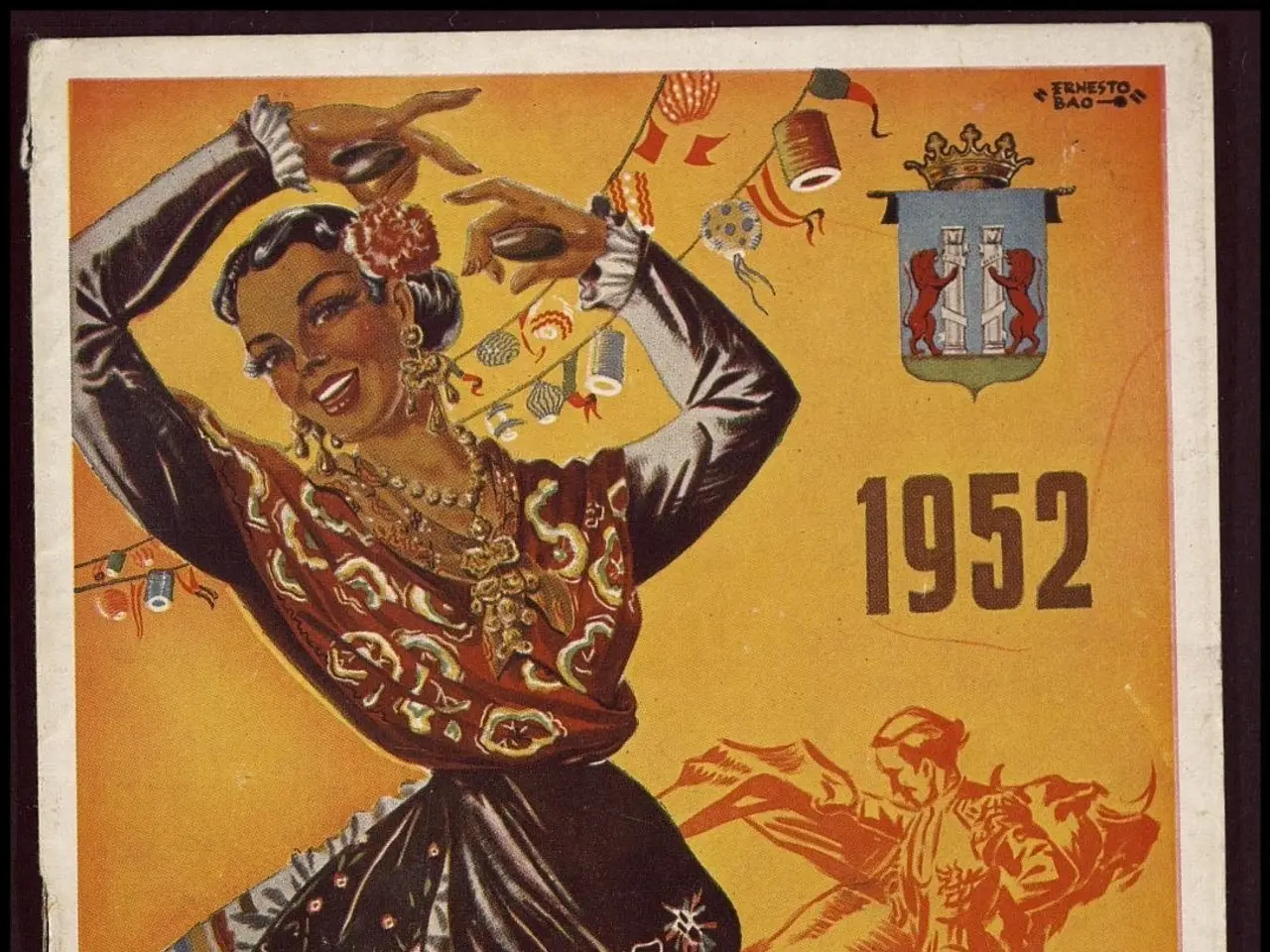
For many, May once meant weeks of excitement. Towns prepared for fiestas with beauty queens, brass bands, and musical jamborees. The procession itself was a grand affair, with sagalas in ornate gowns, contests, and lively crowds. A brass band played marching tunes, while a choir sang *Dios te salve Maria* in the background. The event often ended with a *pabitin*—a suspended platform of prizes that children would leap to grab. In earlier decades, fiestas brought communities together. House visits were common, with families welcoming guests for meals and conversation. The author recalls their mother travelling between Sta. Rita and San Fernando, visiting relatives during these celebrations. Today, the scale has shrunk. Many now prefer shopping malls to traditional house calls, and festivities are simpler. Yet the *santacruzan* endures, kept alive by those who value its cultural and religious meaning.
The santacruzan continues to mark May as a month of heritage and devotion. While modern lifestyles have changed how people celebrate, the procession’s blend of faith, history, and spectacle still draws participants. For older generations, it remains a link to memories of grand fiestas—and for younger ones, a chance to connect with traditions that shaped their communities.