30 Best Restaurant Interior Design Ideas You Should Check
How Restaurant Design Shapes the Perfect Dining Experience
Great dining is not only about what's on the plate-it's about how a space makes people feel before the first bite even arrives. A well-crafted restaurant Interior design can spark curiosity, create mood, and turn a simple visit into something worth remembering. The magic lies in blending visual identity with comfort, allowing guests to connect with the space as naturally as they do with the menu.
This article highlights standout restaurant Interior design ideas that bring personality and purpose together in unexpected ways. Imagine layered textures that add depth, creative seating arrangements that encourage social energy, and lighting choices that shift the atmosphere from day to night. Some spaces lean into bold artistic statements, while others rely on subtle elegance to leave a lasting impression. Each idea shows how thoughtful design decisions can shape customer experience, influence mood, and strengthen brand identity. If you are looking to refresh a concept or build something new, these ideas offer a fresh perspective on how interiors can transform dining into a fully immersive experience.
Restaurant Interior Design Ideas
What Colors Work Best In Restaurant Interior Design?
Color is one of the most powerful tools in restaurant Interior design because it shapes mood, influences appetite, and defines the personality of a space. The right palette can turn a simple dining room into an unforgettable experience, while the wrong one can feel flat or overwhelming. Choosing colors is not just about aesthetics-it is about creating a vibe that matches the food, the brand, and the customer journey. Here are five exciting directions to explore:
Warm Tones That Stimulate Appetite
Rich reds, burnt oranges, and golden yellows are classic choices in restaurant Interior design for a reason. These colors naturally encourage energy and appetite, making them perfect for fast-paced or casual dining spots. They create a lively atmosphere where guests feel welcomed and ready to indulge, especially when paired with warm lighting and natural materials.
Earthy Neutrals For A Relaxed Feel
Soft browns, sandy beiges, olive greens, and muted terracotta tones bring a grounded, calming energy. This palette works beautifully in restaurant Interior design concepts that focus on comfort, organic food, or farm-to-table experiences. These colors help guests slow down, unwind, and enjoy longer meals in a cozy environment.
Bold Dark Shades For Drama And Luxury
Deep navy, charcoal, forest green, and even black can create a sophisticated and intimate ambiance. In restaurant Interior design, darker palettes are often used for fine dining or evening-focused spaces. When balanced with metallic accents or soft lighting, they add depth and elegance without feeling too heavy.
Fresh Light Colors For Airy Spaces
Crisp whites, pale blues, soft pinks, and light greys are ideal for bright and open environments. These shades make spaces feel larger and cleaner, which is especially useful in small restaurants. In restaurant Interior design, lighter palettes often reflect modern, minimalist, or café-style concepts where freshness and simplicity are key.
Accent Colors To Create Personality
Even the most neutral base can come alive with bold accent colors like teal, mustard, coral, or emerald. In restaurant Interior design, accents are a great way to highlight branding, guide visual focus, or add playful character. Whether used on walls, furniture, or décor pieces, they bring energy without overwhelming the entire space.
What Layout Ideas Improve Restaurant Interior Design?
A well-planned layout is the backbone of successful restaurant Interior design, shaping how guests move, interact, and enjoy their dining experience. It is not just about fitting tables into a space-it is about creating a flow that feels natural, comfortable, and visually appealing. A thoughtful layout can enhance efficiency for staff while making guests feel relaxed and welcomed. From entrance to seating to service areas, every zone plays a role in the overall atmosphere. Here are five creative layout ideas that can truly elevate a restaurant Interior design:
Zoning For Different Dining Experiences
Dividing the space into distinct zones can add variety and flexibility to restaurant Interior design. For example, you might include cozy booths for intimate dinners, communal tables for social groups, and bar seating for quick visits. This approach allows guests to choose the experience that suits their mood, making the space feel dynamic and personalized.
Open Flow With Clear Pathways
A clutter-free layout with defined walkways improves both guest comfort and staff efficiency. In restaurant Interior design, ensuring smooth movement between tables, entrances, and service areas reduces congestion and enhances the overall experience. Wide, clear pathways also make the space feel more open and inviting, even in smaller settings.
Strategic Table Spacing For Comfort
Proper spacing between tables is essential for privacy and comfort. In restaurant Interior design, overcrowding can quickly ruin the atmosphere, making guests feel rushed or cramped. Thoughtful spacing creates a balance between maximizing seating capacity and maintaining a relaxed, enjoyable environment.
Highlighting A Focal Point
Creating a visual focal point-such as an open kitchen, a statement bar, or an artistic installation-can anchor the entire layout. In restaurant Interior design, this not only adds character but also naturally guides guest attention and movement within the space. A strong focal point can make the layout feel intentional and memorable.
Flexible And Adaptable Layouts
Modern restaurant Interior design often benefits from flexibility. Movable furniture, modular seating, or adjustable partitions allow the space to adapt to different group sizes and events. This versatility ensures that the restaurant can handle everything from quiet weekday dinners to lively weekend gatherings without compromising comfort or style.
What Flooring Options Suit Restaurant Interior Design?
Flooring might seem like a background detail, but in restaurant Interior design, it quietly does a lot of heavy lifting. It sets the tone, supports the theme, and handles constant foot traffic without losing its charm. The right flooring choice balances durability with style, ensuring the space looks great while staying practical for everyday use. From cozy cafés to upscale dining rooms, the floor underfoot plays a huge role in shaping the overall experience. Here are five standout flooring options that work beautifully in restaurant Interior design:
Hardwood For Warmth And Character
Hardwood flooring brings timeless warmth and natural beauty into restaurant Interior design. Its rich textures and tones create an inviting atmosphere that works well in both casual and upscale settings. While it requires proper sealing and maintenance, hardwood can age gracefully, adding character over time and enhancing the overall ambiance.
Ceramic Or Porcelain Tiles For Durability
Tiles are a favorite in restaurant Interior design thanks to their toughness and easy maintenance. Ceramic and porcelain options come in endless patterns, colors, and finishes, allowing creative freedom while standing up to spills and heavy use. They are especially ideal for high-traffic areas and kitchens where durability is essential.
Polished Concrete For Modern Appeal
For a sleek and contemporary vibe, polished concrete is a standout choice in restaurant Interior design. It offers a minimalist look with excellent durability and low maintenance. Its reflective surface can also enhance lighting, making spaces feel brighter and more open, especially in industrial or modern-themed restaurants.
Vinyl Flooring For Versatility And Comfort
Vinyl flooring has evolved into a stylish and practical option for restaurant Interior design. It can mimic the look of wood, stone, or tile while providing a softer feel underfoot. It is also resistant to moisture and easy to clean, making it a smart choice for busy dining areas that need both comfort and resilience.
Natural Stone For Luxury And Texture
Materials like marble, slate, or granite add a sense of luxury and depth to restaurant Interior design. Natural stone flooring creates a bold visual impact and works well in high-end spaces where elegance is key. While it may require more upkeep, its unique textures and patterns make every space feel one of a kind.
What Decor Elements Elevate Restaurant Interior Design?
Great decor is where restaurant Interior design truly comes alive. It is the layer that transforms a functional space into an experience guests remember long after the meal ends. Decor elements tell a story, reflect the brand, and create emotional connections through visual details. Whether subtle or bold, the right pieces can instantly elevate the atmosphere and make a restaurant feel thoughtfully curated rather than randomly styled. Here are five decor elements that can take restaurant Interior design to the next level:
Statement Wall Features That Capture Attention
A striking wall can instantly define the personality of a space. In restaurant Interior design, statement walls might include murals, textured panels, bold paint techniques, or creative installations. These features act as visual anchors, giving guests something to admire and even photograph, which adds to the overall experience.
Layered Lighting For Mood And Depth
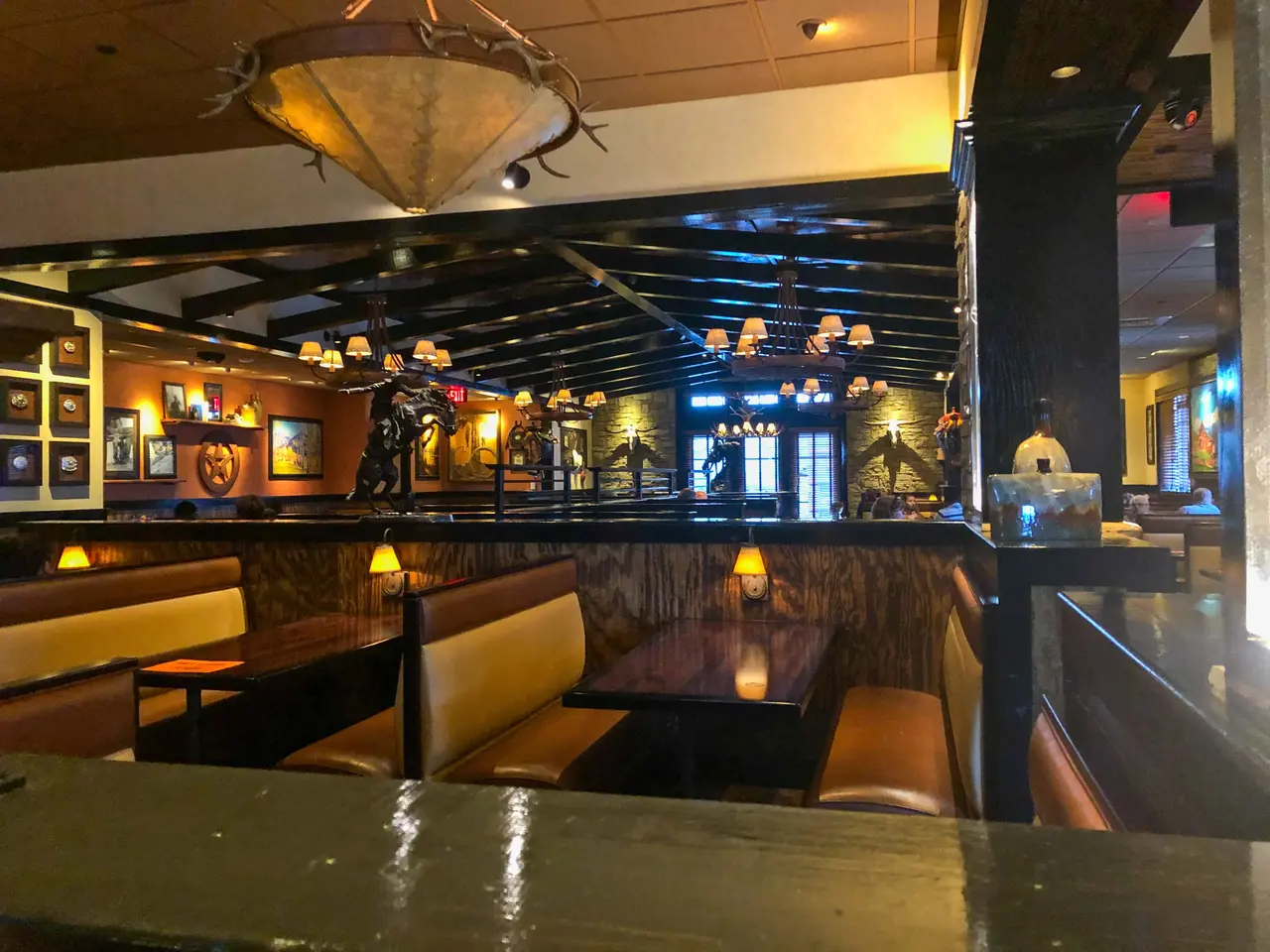
Lighting is not just functional-it is a decorative powerhouse in restaurant Interior design. Combining pendant lights, wall sconces, and ambient lighting creates layers that add warmth and dimension. Soft lighting can make a space feel intimate, while brighter accents highlight key areas, enhancing both comfort and style.
Art And Decorative Pieces That Tell A Story
Artwork, sculptures, and curated decor pieces bring personality into restaurant Interior design. Whether it is local art, vintage finds, or modern graphics, these elements help communicate the restaurant's theme and identity. Carefully selected pieces can spark conversation and make the environment feel unique and memorable.
Textiles And Soft Furnishings For Comfort
Cushions, curtains, upholstery, and rugs add softness and texture to restaurant Interior design. These elements not only enhance visual appeal but also improve comfort and acoustics. Rich fabrics or patterned textiles can introduce color and depth, making the space feel more inviting and layered.
Greenery And Natural Touches For Freshness
Plants and natural elements breathe life into restaurant Interior design. From small table arrangements to vertical gardens, greenery adds a refreshing and calming effect. It also creates a connection to nature, which can make the dining environment feel more relaxed and vibrant.
What Seating Arrangements Fit Restaurant Interior Design?
Seating is where guests spend most of their time, so it plays a starring role in restaurant Interior design. The right arrangement does more than fill space-it shapes comfort, influences social interaction, and defines how people experience the atmosphere. A smart seating plan blends function with style, making every guest feel like the space was designed just for them. Whether the goal is intimacy, energy, or flexibility, choosing the right mix of seating can completely transform a restaurant Interior design. Here are five seating arrangements that work beautifully:
Booth Seating For Privacy And Comfort
Booths are a timeless favorite in restaurant Interior design because they create a sense of intimacy. With high backs and enclosed sides, booths give guests a cozy, semi-private space that feels perfect for conversations. They are ideal for families, couples, or anyone looking for a relaxed dining experience with a touch of comfort.
Communal Tables For Social Energy
Long communal tables bring people together and create a lively, shared atmosphere. In restaurant Interior design, this arrangement works well for casual or trendy spaces where interaction is part of the experience. It encourages conversation between groups and makes the space feel vibrant and dynamic.
Flexible Two-Top And Four-Top Layouts
Classic table setups like two-tops and four-tops offer versatility in restaurant Interior design. These can be easily rearranged to accommodate different group sizes, making them practical for everyday dining. This flexibility ensures the space adapts smoothly from quiet meals to busy service hours.
Bar Seating For Casual And Quick Dining
Bar seating adds a relaxed and interactive element to restaurant Interior design. Guests can enjoy a quick meal, watch drinks being prepared, or simply soak in the atmosphere. It is perfect for solo diners or those who prefer a more informal experience, while also maximizing space efficiency.
Lounge And Soft Seating For A Unique Touch
Incorporating sofas, armchairs, or lounge-style seating adds a distinct personality to restaurant Interior design. This setup works especially well in cafés, modern eateries, or upscale venues aiming for a laid-back yet stylish vibe. It invites guests to linger longer and enjoy the space beyond just dining.
Conclusion
In the end, great restaurant Interior design is about creating a space that feels as satisfying as the food itself. Every detail, from layout and lighting to seating and decor, works together to shape the guest experience. Thoughtful choices can improve comfort, enhance flow, and reflect a strong identity that guests remember. By blending creativity with functionality, restaurant Interior design transforms ordinary spaces into inviting destinations. When all elements align, the result is an atmosphere that encourages guests to relax, connect, and return again for another memorable dining experience.