
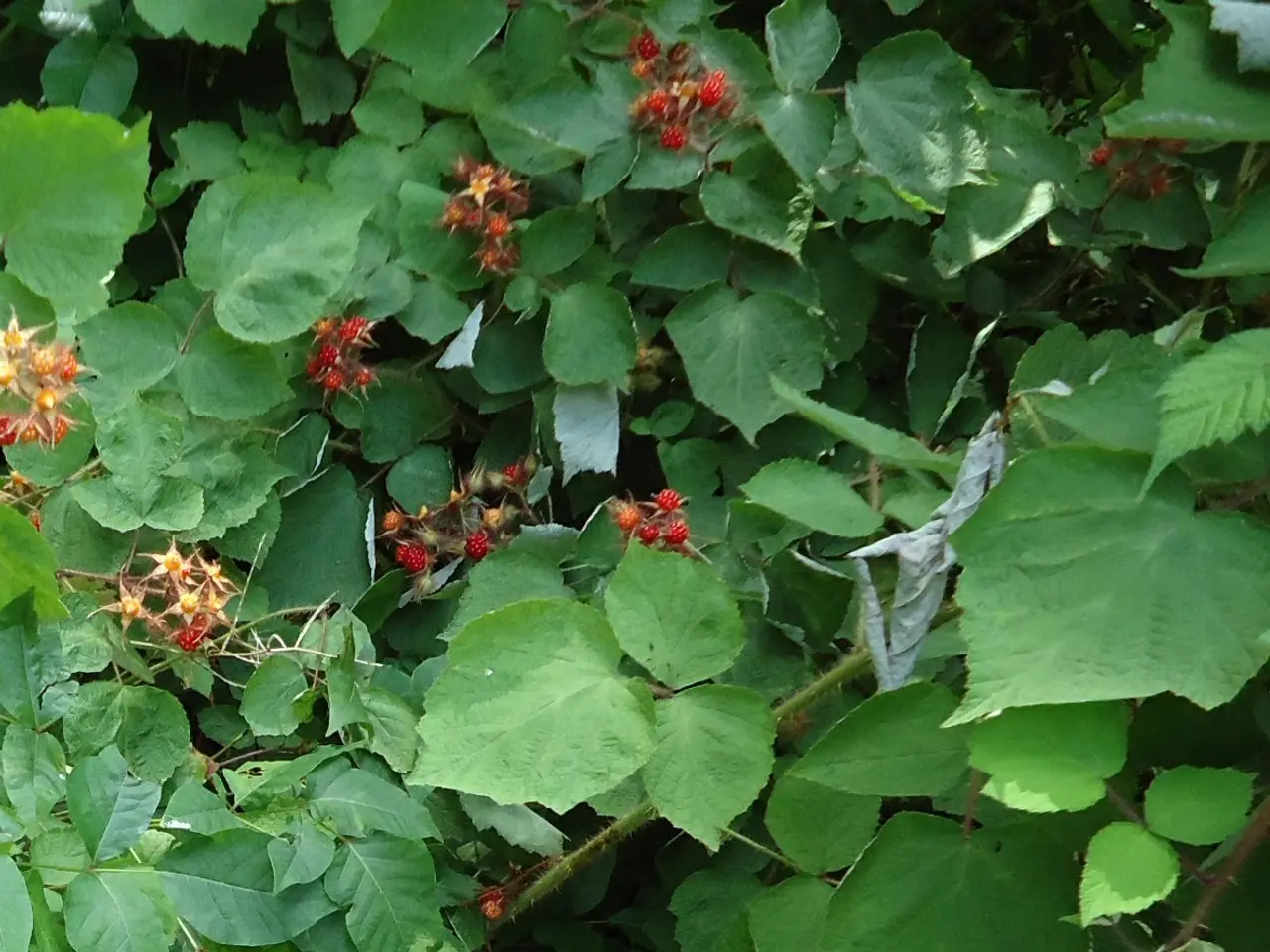
Essential spring raspberry care tips for a bountiful harvest
Spring is a critical time for raspberry care, with key tasks ensuring healthy growth and a strong harvest. Gardeners should focus on pruning, feeding, and protecting plants as temperatures rise above freezing. Proper maintenance now will lead to bigger berries and more productive bushes later in the year. Pruning happens in two stages: first when the snow melts, then again once temperatures reach at least +5°C. Dry, damaged, or diseased canes must be removed entirely at ground level. Healthy stems should be shortened to just above the strongest live bud, which encourages branching and larger fruit.
For ever-bearing (fall-bearing) varieties, all canes are cut back to soil level in spring. This method ensures a single, heavy late-summer harvest. Standard (summer-bearing) raspberries, however, produce fruit on second-year canes, so these should be left intact. After pruning, only the 7-12 strongest canes per bush—or 10-30 stems per linear metre in rows—should remain. Fertiliser, preferably nitrogen-based or organic, is applied in early spring to support new growth. Consistent watering is vital, particularly during bud break, to prevent stress. Finally, mulching around the bushes helps retain moisture and protects shallow roots from overheating as the weather warms.
By following these steps—pruning correctly, fertilising, watering, and mulching—raspberry plants will thrive through the growing season. The effort put in now will result in stronger bushes and a more abundant harvest. Gardeners should monitor moisture levels and adjust care as the plants develop.