It's Not About Dust on Paper—It's About Traces Beneath the Surface
Wiesbaden Lecture Uncovers the Hidden History Beneath Our Feet
When we think of archives, we often picture shelves, files, and yellowed pages. But the most fascinating records aren't stored in cabinets—they lie right beneath our feet, in the soil. Wiesbaden's Environmental Advisory Service invites the public on February 25 to explore the "Soil Archive."
Environmental Center at a Glance
- Lecture – "Archives: The World Beneath Our Feet"
- Cost: Free
- When: Wednesday, February 25, 2026, 6:00 PM
- Where: Umweltladen (Environmental Center), Luisenstraße 19, 65185 Wiesbaden
The World Beneath Our Feet
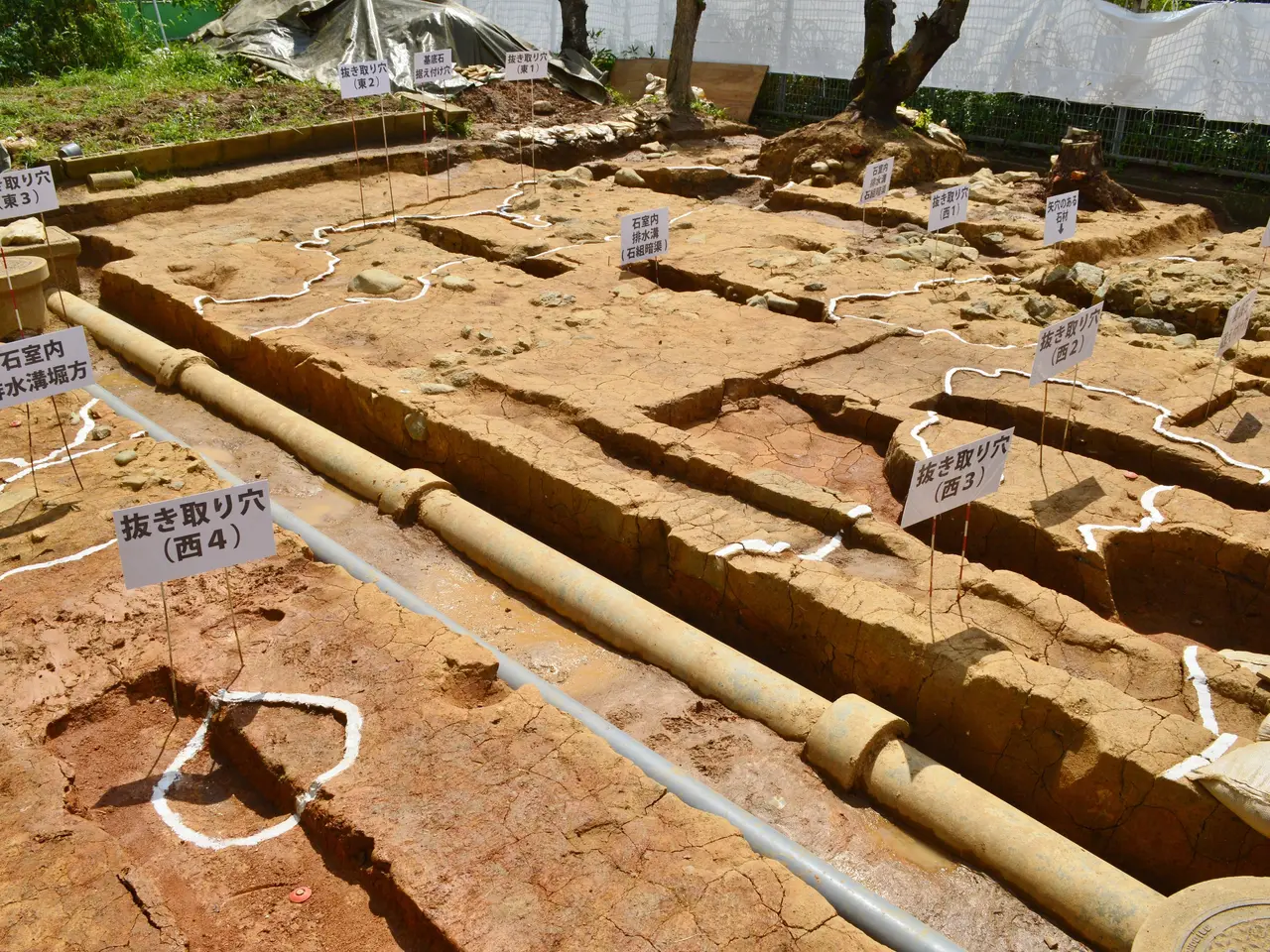
Soil preserves history. It records the marks left by natural forces and human activity alike. Floods deposited layers of sediment. Droughts cracked the earth. Settlers cleared forests, farmers plowed fields, and cities expanded. All of it was written into the ground—layer by layer.
To make this silent chronicle visible, the "Soil of the Year" committee has named archive soil the 2026 Soil of the Year. It stands as a prime example of soils that safeguard both natural and cultural history. Those who learn to read them gain deeper insights into climate change, land use, and the dynamics of urban spaces.
A Journey Underground
Dr. Sandra Sosnowski of Hessen Archaeology will guide attendees through this hidden cosmos. She will demonstrate how archaeologists create excavation profiles, expose soil horizons, and secure finds. She will explain how modern construction can destroy traces—and how experts still manage to document them before they vanish.
The lecture won't remain abstract. Sosnowski will share findings from current investigations, describe real-life excavations, and highlight the close interplay between environmental issues and archaeology. For those seeking to understand how climate change affects our cultural heritage, this event offers firsthand perspectives.
Think, Explore, Preserve
The evening won't end with theory. The speaker will outline ways citizens can help protect archaeological sites. Often, all it takes is awareness: Noticing an unusual structure in the ground while walking or stumbling upon artifacts during construction can make a difference in preserving history.
The lecture complements the exhibition "Urban Habitat—Every Square Meter Counts," on display at the Environmental Center until March 20. Admission is free. Registration by email at [email protected] or by phone at (0611) 31-3600 is requested.