How to Grow Pumpkins Like a Pro This Season
Pumpkin: A Favorite of Kids and Adults Alike—Here's How to Grow a Bountiful Harvest
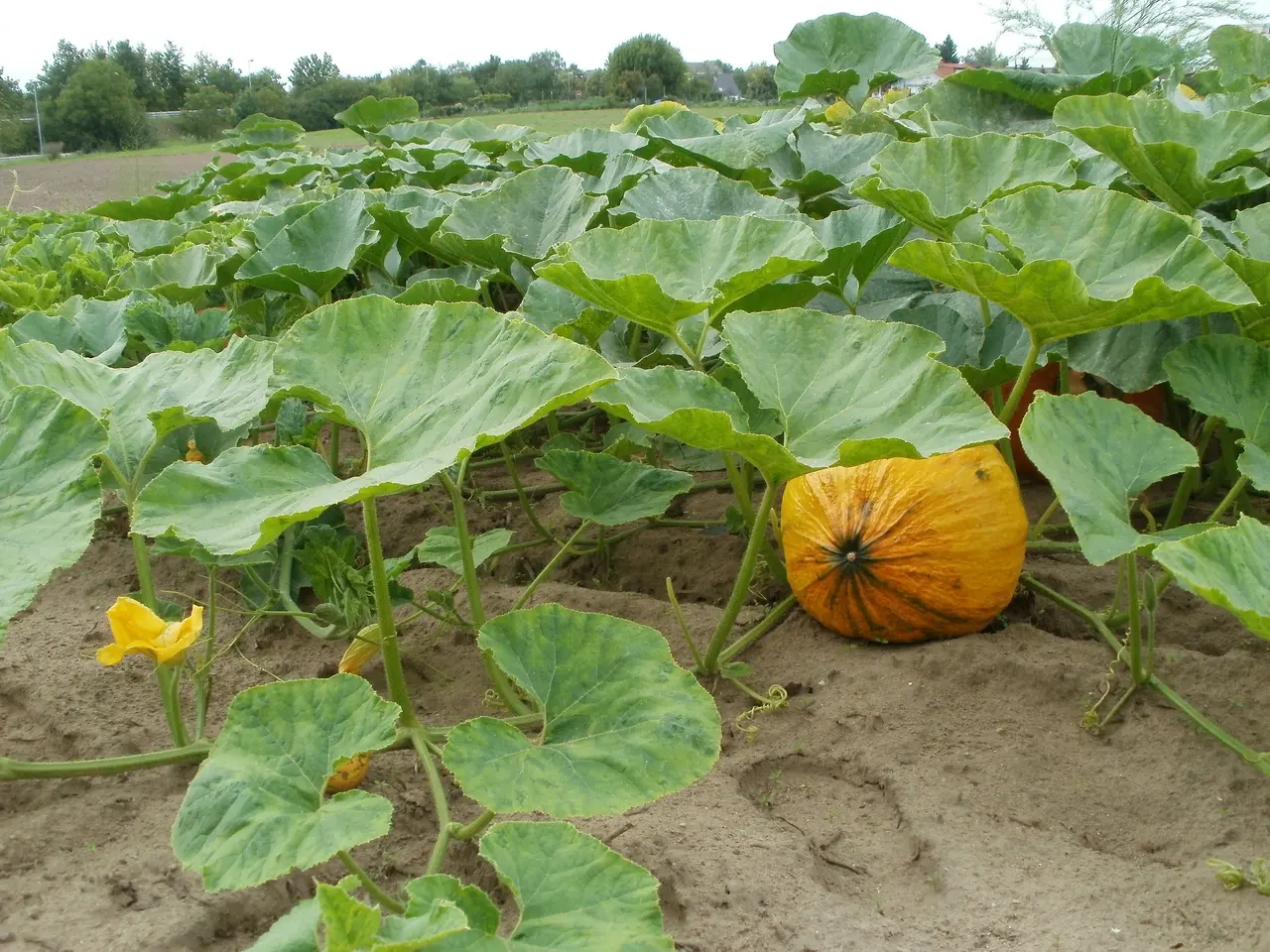
Pumpkin is one of the healthiest and most beloved vegetables, adored by both children and adults. Its sweet, juicy flesh can be turned into delicious porridge, velvety soup, flavorful stew, and countless other dishes. But if you want to grow large, high-quality pumpkins, you'll need to pay special attention to planting this crop. The author of the Zen channel "Antonov's Garden—Dacha and Vegetable Patch" (16+) shares all the nuances of growing pumpkins in your garden.
First and foremost, timing is key. The best month to plant is May, when the soil is already warm and the risk of frost is minimal.
"You can sow pumpkin seeds when the soil has warmed to +12…+14°C (54–57°F) at a depth of 10–12 cm (4–5 in)," the expert clarifies. "Daytime temperatures should exceed 18°C (64°F), with nights no colder than +10°C (50°F)."
In southern regions, pumpkins can be sown as early as late April, though it's better to wait until early May. In the central belt, planting can begin in mid-May, while in Siberia and the Urals, it's best to start from late May to early June.
How to Plant Pumpkins
Growing pumpkins involves several key steps.
Preparing the Seeds
Select the largest seeds for planting. Disinfect them in a dark potassium permanganate (potassium manganate) solution, then place them in a damp cloth and keep them in a warm spot. Within 2–4 days, they should begin to sprout. Next, harden the seeds by placing them in the refrigerator for 12–18 hours.
This preparation helps them germinate faster. If you'd rather skip the extra steps, you can plant dry seeds—they'll take longer to sprout but will grow into hardier plants.
Choosing the Right Spot and Soil
Pumpkins thrive in open, sunny plots with loose, fertile soil. They grow well after root crops, legumes, and cruciferous vegetables, but avoid planting them where melons or other gourds (like squash or cucumbers) were previously grown.
1–2 weeks before planting, dig up the bed, enrich it with organic matter (5–8 kg of compost per square meter, 1–1.5 cups of wood ash, and 30–40 g of superphosphate per the same area), and cover it with plastic to warm the soil.
Sowing Step by Step
- Mark the planting holes. Bush varieties should be spaced 70×80 cm (28×31 in) apart. For vines up to 2–3 m (6.5–10 ft), allow 100×150 cm (39×59 in). Long-vined varieties (3–6 m / 10–20 ft) need 150–200 cm (59–79 in) of space.
- Dig a hole about 30–40 cm (12–16 in) in diameter.
- Add half a bucket of compost, mix it with the soil, and water the hole with warm water.
- Place 2–3 seeds in each hole, 5–8 cm (2–3 in) deep, spacing them at opposite ends.
- Cover with loose soil and gently press down by hand.
- Top with organic mulch to retain moisture.
If done correctly, the seeds will sprout quickly. During care, pumpkins should be watered once or twice a week, with the soil loosened after each watering and weeds removed. The first fertilizer is applied 10–14 days after germination. For the initial feeding, a diluted cow manure solution (1:10 ratio)—one liter per plant—works well.
"When the plants begin to flower, they need a phosphorus-potassium boost: dissolve 20 grams of superphosphate and 15 grams of potassium sulfate in 10 liters of water, then apply directly to the roots," recommends the expert.