Farmers and biologists unite to save northern Germany's vanishing birds
A quiet battle is unfolding in the Eider-Treene-Sorge lowlands of Schleswig-Holstein. Farmers and biologists are working together to save some of northern Germany's most endangered birds. Their efforts come as populations of once-common species continue to collapse despite years of conservation work.
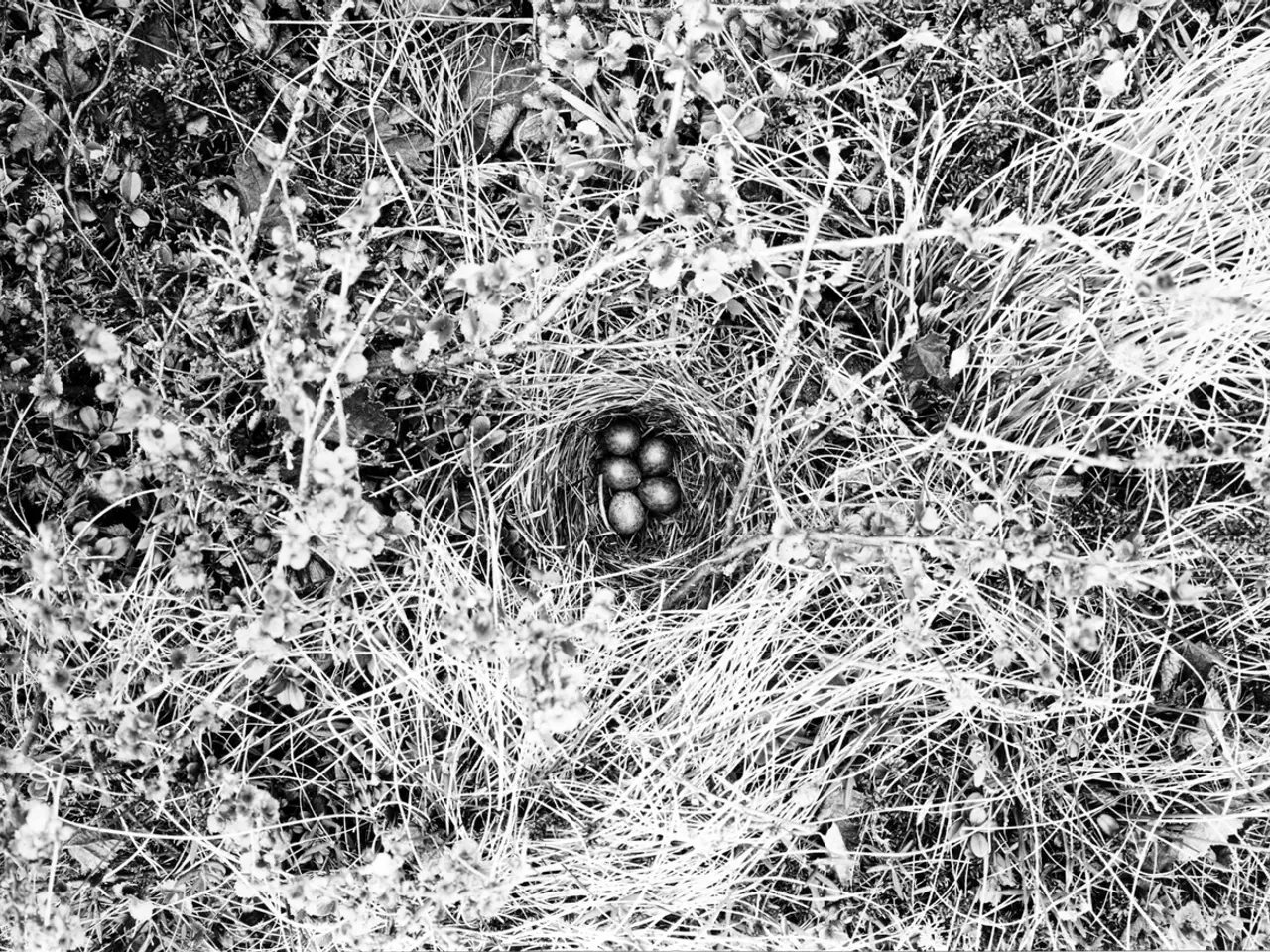
The region's grasslands, bogs, and rivers have long been home to dairy farming and rich birdlife. But since the 1990s, numbers have plunged. The Eurasian woodcock, once numbering 1,000 to 2,000 breeding pairs, now has fewer than 200. The northern lapwing, Eurasian curlew, and common snipe are all critically endangered here.
Intensive farming, drained wetlands, and predators like foxes and crows have taken their toll. Climate change has also altered habitats, making survival harder for chicks. Even small steps, such as avoiding soil disturbance during nesting season, may no longer be enough.
Young farmer Magnus Clasen adjusts his work to protect ground-nesting birds. He avoids tilling fields when chicks are vulnerable. Biologist Natalie Busch, from NABU, shares his goal: to save what remains of the region's birdlife. Their collaboration is part of a wider push to reverse decades of decline.
A recent NDR documentary has highlighted the struggle, focusing on the Eurasian curlew. The film follows efforts to keep the species from disappearing entirely in the lowlands.
The fight to save these birds is far from over. Despite conservation measures, meadow species still fail to raise enough young. Without further action, the region's historic grasslands could lose some of their most iconic wildlife for good.