Earthworms face extinction as modern farming threatens their vital role in soil health
World Earthworm Day was introduced globally in 2005. The tiny helper's role in soil fertility is immense. But is modern agriculture overwhelming the earthworm?
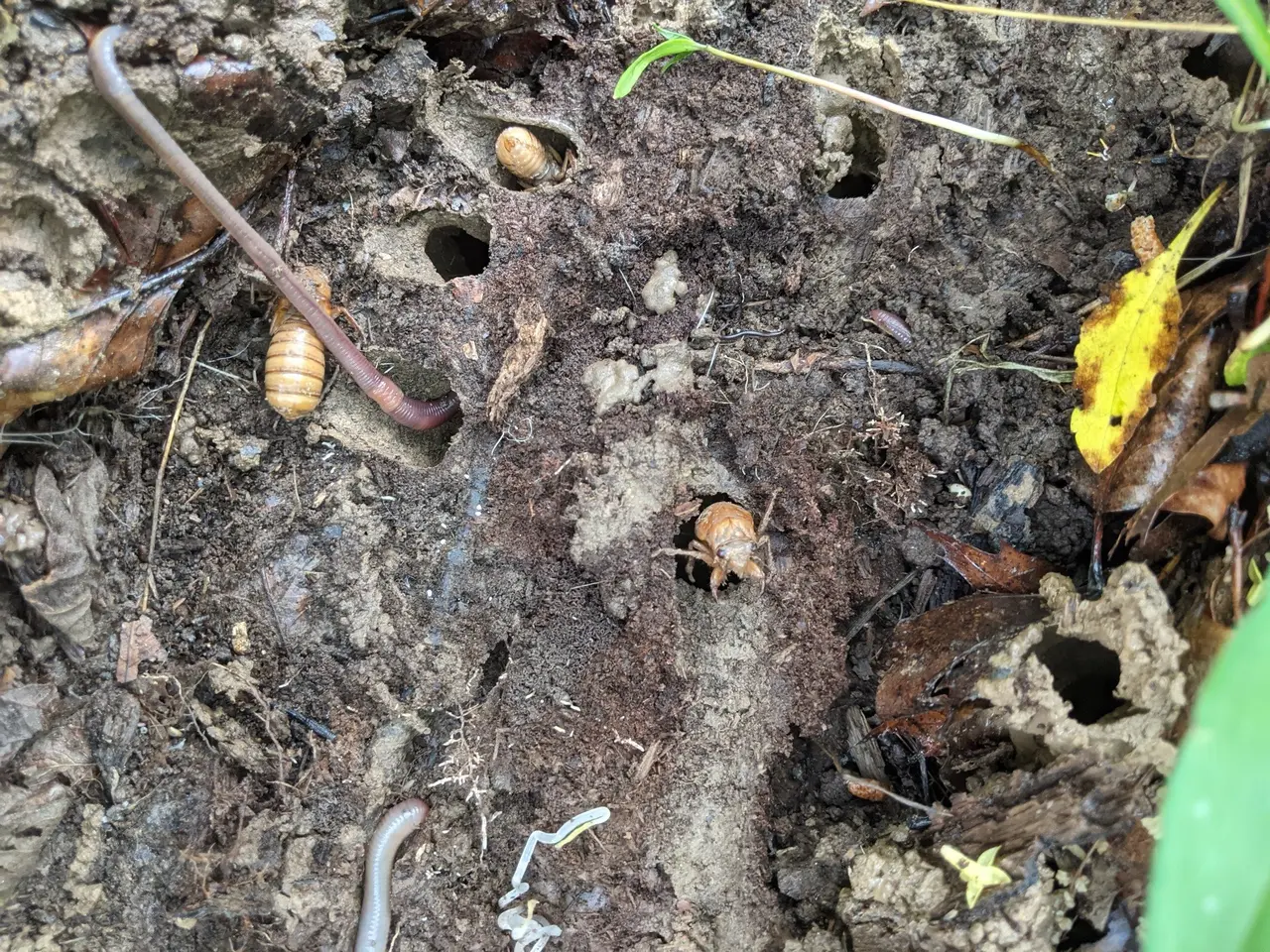
Barely visible yet indispensable, earthworms are the unsung heroes of the soil—so begins a video by the Bavarian Agricultural Weekly (Bayerisches Landwirtschaftliches Wochenblatt, or BLW). These vital underground creatures are indicators of healthy soil and stable ecosystems, serving as a cornerstone of fertility. In humus-rich soils, more than 600 earthworms can thrive per square meter, continuously producing fresh humus that fuels crop growth.
Related: Eco-schemes for arable land and grassland—what's changing in the 2026 regulations
Yet increasingly heavy machinery, monotonous crop rotations, and widespread humus depletion are placing immense pressure on soils. A field teeming with earthworms signals good aeration, strong water retention, and deep root penetration—key markers of soil health.
Whether in fields, grasslands, forests, or gardens, earthworms perform critical work. Their nutrient-rich castings help form stable humus through bioturbation, while the tunnels they create allow roots to reach deeper soil layers, boosting water storage—a vital asset in the climate crisis.
Despite their remarkable contributions, the Healthy Soil Interest Group (IG) warns that earthworms alone cannot meet the challenges of modern agriculture. Rising soil compaction, reduced water retention, and erosion are growing concerns.
What the expert says about soil fertility and humus
Dr. Andrea Beste, an advisor to the IG, emphasizes that other soil organisms also play a crucial role. Medium-sized creatures, microorganisms, bacteria, and fungi create a sponge-like structure with mid-sized pores essential for aeration, water infiltration, and storage—functions that earthworm burrows cannot fully replace.
Moreover, earthworms can persist even in compacted soils, making their numbers an unreliable indicator of soil health. "While modern methods like DNA screening provide extensive data," Dr. Beste notes, "for practitioners, the spade test remains the most direct and informative tool." There's no doubt, however, that sustainable, humus-building farming is the foundation of healthy soils. Organic fertilization, diverse crop rotations, cover crops, polycultures, and agroforestry demonstrably strengthen soil structure and enhance climate resilience.