Almaty Region's massive cleanup removes 2,000 tons of waste and plants 19,000 trees
Almaty Region Launches Spring Cleanup and Greening Campaign
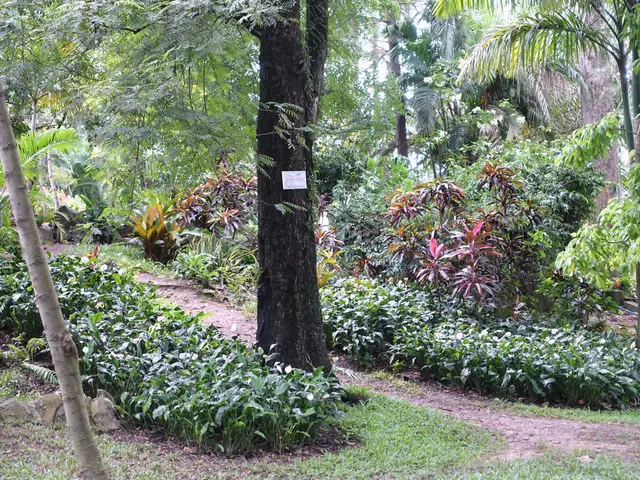
Since early spring, Almaty Region has ramped up efforts to improve public spaces and expand green areas. Local authorities report that a series of community cleanup drives have been held, drawing nearly 40,000 participants. In total, volunteers have planted 19,000 coniferous and deciduous trees and removed roughly 2,000 tons of waste.
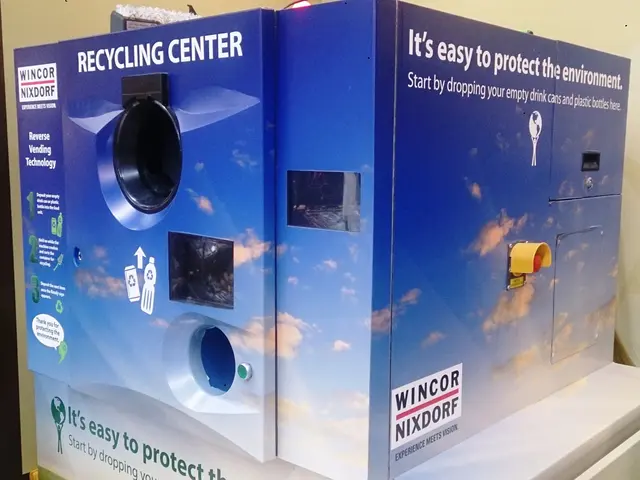
Earlier this week, ecological barriers were installed along the Kaskelen River in Karasai District to capture household and industrial waste. These mechanical structures prevent pollutants from accumulating in waterways, effectively intercepting floating plastic, which is then sent for recycling.
The pilot project is led by Gogo Central Asia, a company serving as a technological partner for nonprofits and public organizations implementing environmental and social programs across Central Asia. Experts have developed an interactive map highlighting the region's most polluted areas, aiming to build a digital infrastructure for environmental protection.
"This is a vital and timely initiative," said Yelena Konstantinova, a deputy of the Karasai District Maslikhat (local council). "The success of such projects depends greatly on local residents. We must foster an ecological culture in our communities. Only through joint efforts between the state and society can we preserve our region's natural resources."
Special attention is being given to the Ili River, whose shores are often littered with mountains of trash left by tourists. Activists warn that plastic bottles, disposable tableware, bags, and food waste inflict irreversible damage on the ecosystem. Microplastics polluting the water threaten the health of people, animals, and birds. The area lacks sufficient trash bins, recycling points, and portable toilets, while nearby villages have no facilities for collecting recyclables.
Proposed solutions include regular patrols by environmental agencies and police, the installation of surveillance cameras, and administrative penalties for violators. Experience shows that one-time cleanups and volunteer drives are not enough to tackle pollution in tourist zones. To encourage responsible behavior, experts recommend introducing environmental education in schools, promoting ecotourism, and launching public service campaigns that showcase the Ili River's natural beauty.