
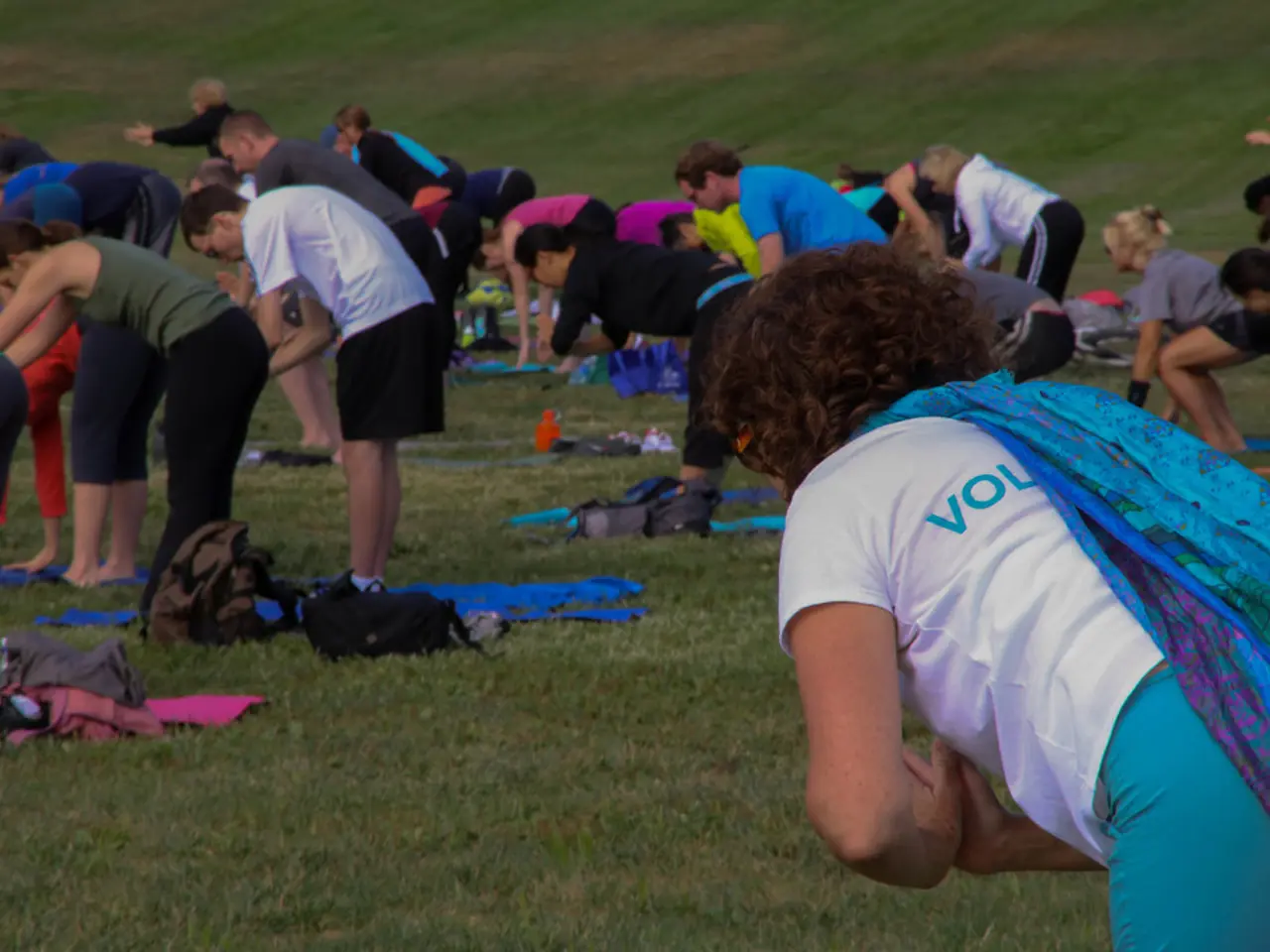
Yoga Positions from Nature Influenced, Tailored to Various Mobility Ranges, Encouraging Awe and Inspiration
Exploring Nature-Inspired Yoga Poses for Enhanced Flexibility, Core Strength, and Balance
Mountain Pose, or Tadasana, serves as a fundamental yoga position, mimicking the strength and stability of towering peaks. This grounding and skyward-reaching pose improves posture, aligns the body, and enhances body awareness and centering.
Among other nature-inspired yoga poses are the Tree Pose (Vrikshasana), Warrior Poses (Virabhadrasana I, II, III), Sun Salutations (Surya Namaskar), Cobra Pose (Bhujangasana), Plank Pose, Dolphin Pose, and Eagle Pose (Garudasana). Each pose embodies a different natural element, offering unique physical benefits.
Tree Pose (Vrikshasana)
Mimicking a tree with roots grounding into the earth and branches reaching upward, the Tree Pose enhances balance and strengthens the legs and core muscles. It helps improve stability, focus, and opens the hips.
Warrior Poses (Virabhadrasana I, II, III)
Reflecting courage and strength, like a warrior in nature, the Warrior Poses build strength in the legs, hips, and core. They promote balance, endurance, and require core engagement, particularly Warrior III.
Sun Salutations (Surya Namaskar)
Representing the energy of the sun, Sun Salutations promote flexibility and fluidity, warming up muscles and increasing range of motion. This sequence also enhances core strength through dynamic movements linking poses.
Cobra Pose (Bhujangasana)
Like a snake rising and opening its chest, Cobra Pose strengthens the back and core muscles, improves spinal flexibility, and opens the chest, supporting better posture and reducing lower back stiffness.
Plank Pose
Modeled after a strong, steady board or flat surface in nature, Plank Pose builds core strength extensively while also strengthening arms and shoulders. Essential for stability and posture.
Dolphin Pose
Mimicking the arching and stretching of a dolphin, Dolphin Pose strengthens shoulders and upper back while providing a deep stretch for those muscles.
Eagle Pose (Garudasana)
Inspired by the eagle, focusing on concentration while perched, Eagle Pose develops balance, strengthens legs, hips, and shoulders, and increases focus and concentration.
Improving Flexibility
Sun Salutations, Cobra Pose, and Dolphin Pose enhance muscle length and joint range, providing spinal and shoulder mobility.
Core Strength
Plank Pose, Warrior III, and Cobra Pose build abdominal and back muscles necessary for stability.
Balance
Tree Pose, Warrior III, and Eagle Pose challenge postural control and improve proprioception, promoting balance.
Incorporating these poses outdoors, connecting with natural elements like earth, water, and fire, can deepen the mind-body connection and enhance relaxation and emotional balance. Regular practice of these poses supports holistic physical and mental well-being.
Some modifications for limited mobility include performing Mountain Pose while seated or using a wall for support. Cobra Pose can be modified using props like a bolster or yoga blocks, or against a wall for those with spinal restrictions. Child's Pose activates the parasympathetic nervous system, triggering the body's rest-and-digest response within 30-60 seconds of settling into the pose.
In summary, nature-inspired yoga poses such as Tree, Mountain, Warrior series, and Sun Salutations support flexibility, core strength, and balance through symbolic embodiment of natural elements and encourage holistic physical and mental well-being. They can be practiced indoors or outdoors to maximize connection with nature and the benefits of steady, mindful movement.
References: [1] Tirumalai, S. (2014). Yoga: The Science of Well-being. New York: W.W. Norton & Company. [2] Feuerstein, G. (2008). The Yoga Tradition: Its History, Literature, Philosophy, and Practice. Rochester, VT: Inner Traditions. [3] Iyengar, B. K. S. (2001). Light on Yoga: The Bible of Modern Yoga. New York: Schocken Books. [4] Kabat-Zinn, J. (2013). Full Catastrophe Living: Using the Wisdom of Your Body and Mind to Face Stress, Pain, and Illness. New York: Bantam.
- The Tree Pose (Vrikshasana), with roots grounded like a tree and branches reaching upwards, enhances balance andstrengthens the legs and core muscles, offering additional benefits such as improved stability, focus, and hip opening.
- The Sun Salutations (Surya Namaskar), representational of the energy of the sun, not only promote flexibility and fluidity but also enhance core strength through dynamic movements connecting poses.
- Nature-inspired yoga poses, such as Eagle Pose (Garudasana), aim to increase focus and concentration, mirroring an eagle's perched attention, while also developing balance, strengthening legs, hips, and shoulders.