
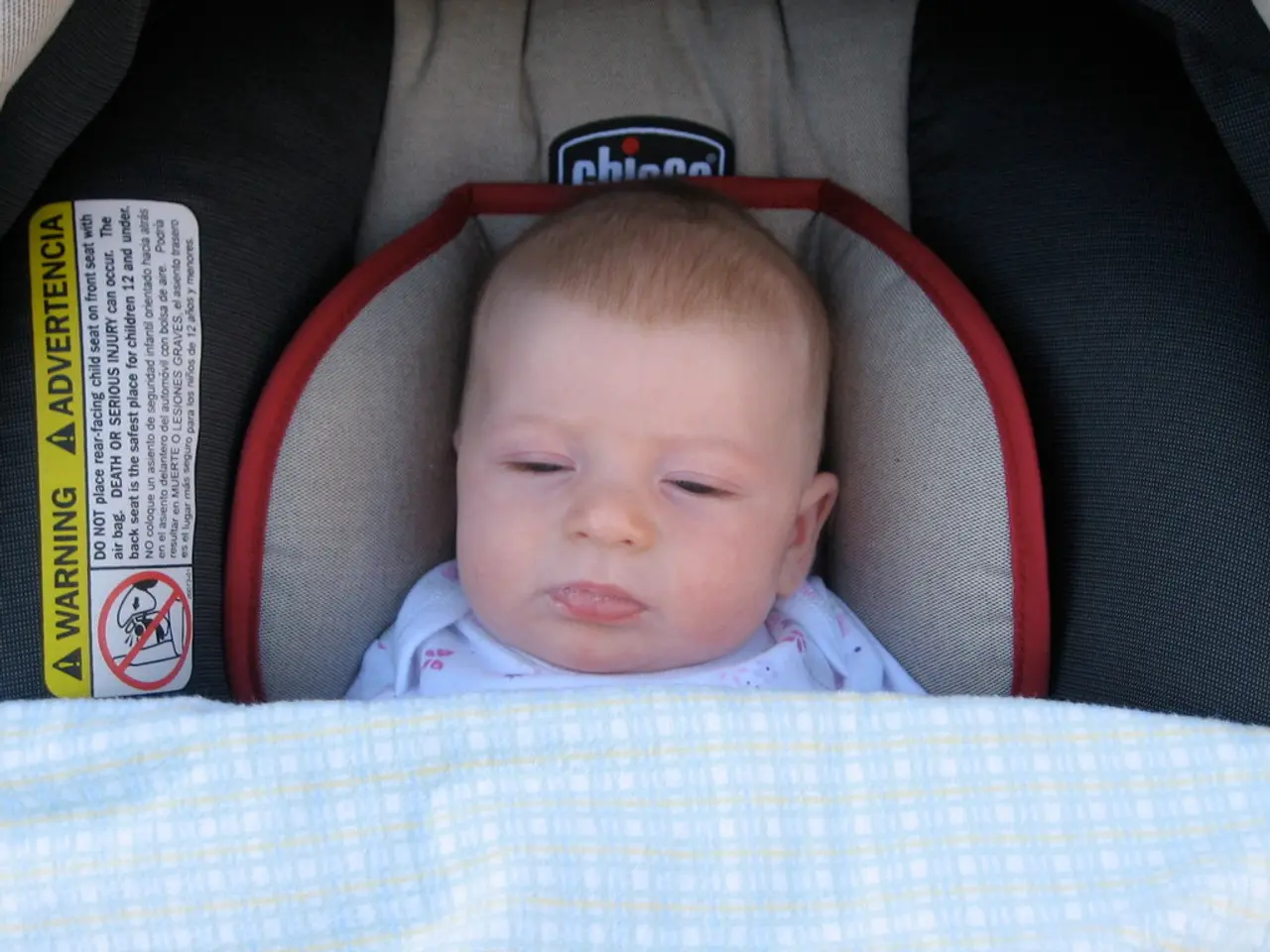
Wrapping Your Newborn Prematurely for Warmth and Security: Swaddling the Preemie
Swaddling, a practice of wrapping infants snugly in a blanket, replicating the tight embrace they experienced in the womb, plays a crucial role in the care of premature infants. This article provides a comprehensive guide on swaddling premature infants, focusing on warmth, comfort, safety, and development.
For premature infants, maintaining an optimal temperature is essential for their growth and development. Swaddling with a breathable, lightweight fabric, such as cotton, ensures warmth without the risk of overheating. The swaddle should be wrapped firmly but not too tightly, allowing for natural movement of the hips and legs to reduce the risk of hip dysplasia.
Safety is paramount when swaddling premature infants. Always place the baby on their back to sleep while swaddled to reduce the risk of Sudden Infant Death Syndrome (SIDS). Keep the infant’s head uncovered to prevent suffocation and overheating. Monitor the infant’s core temperature by checking the chest, neck, and back for signs of being too warm or too cold.
Preemies are more susceptible to temperature fluctuations due to their underdeveloped systems. Overheating is a risk factor for SIDS, so it's crucial to adjust clothing layers under the swaddle or switch to a lighter swaddle or sleep sack if the baby becomes too warm. On the other hand, if the baby is too cold, add clothing layers instead of loose blankets or hats.
Improper swaddling can increase the risk of hip dysplasia, a condition where the hip sockets are shallow or misaligned. Therefore, it's essential to follow a specific swaddling technique, such as the 'Frog Leg Swaddle' or the 'Hold Me Tight Swaddle', which allow for natural hip movement.
As a preemie grows, they will eventually outgrow swaddling. Parents should recognize the signs that it's time to transition, such as increased fussiness or attempts to break free from the swaddle. Gradually introduce other sleep aids, such as sleep sacks or transitional blankets, to help the preemie adjust to sleeping without being swaddled.
Alternative warmth and comfort measures for preemies who may not tolerate swaddling well include preemie-sized sleep sacks or wearable blankets, kangaroo care, and gentle hugging. These measures can provide the same sense of containment and soothing effect that swaddling offers.
Consulting with healthcare professionals, such as pediatricians or neonatologists, is essential for specific swaddling safety tips and personalized advice based on the preemie's unique needs and development. As every preemie is unique, it's crucial for parents and caregivers to observe and understand their baby's cues to find the most comfortable approach for each individual.
Preemies are infants born before completing 37 weeks of gestation. Premature infants face unique challenges due to their underdeveloped organs and systems, making them more susceptible to infections, breathing difficulties, and other complications. Therefore, they require special attention and care.
Understanding these challenges is crucial for providing the specialized care preemies require. By following the recommended guidelines for swaddling premature infants, parents and caregivers can ensure warmth, comfort, safety, and promote better sleep for their preemies, contributing significantly to their overall health and development.
- Proper swaddling techniques are vital in the care of premature infants to reduce the risk of hip dysplasia, a condition that affects the development of their hips.
- To ensure warmth without the risk of overheating, swaddle premature infants using breathable and lightweight fabrics, such as cotton.
- Parenting a premature infant involves understanding their unique needs, as they are more susceptible to temperature fluctuations, which can lead to complications like SIDS.
- Adopt a lifestyle that prioritizes the health and wellness of your family by learning about the appropriate swaddling techniques and other safety measures for premature infants.
- As your preemie grows, observe their behavior for signs that it's time to transition out of swaddling, such as increased fussiness or attempts to break free.
- Education on parenting techniques, including swaddling, is crucial for the health and development of your premature infant, helping them feel safe, warm, and comfortable.
- Through science and research, we have come to understand the importance of kangaroo care, home-and-garden measures, and other alternatives for infants who cannot tolerate swaddling, all of which play a role in providing comfort and support.