Wireless Brain Implants Could Revolutionize Long-Term Neural Monitoring
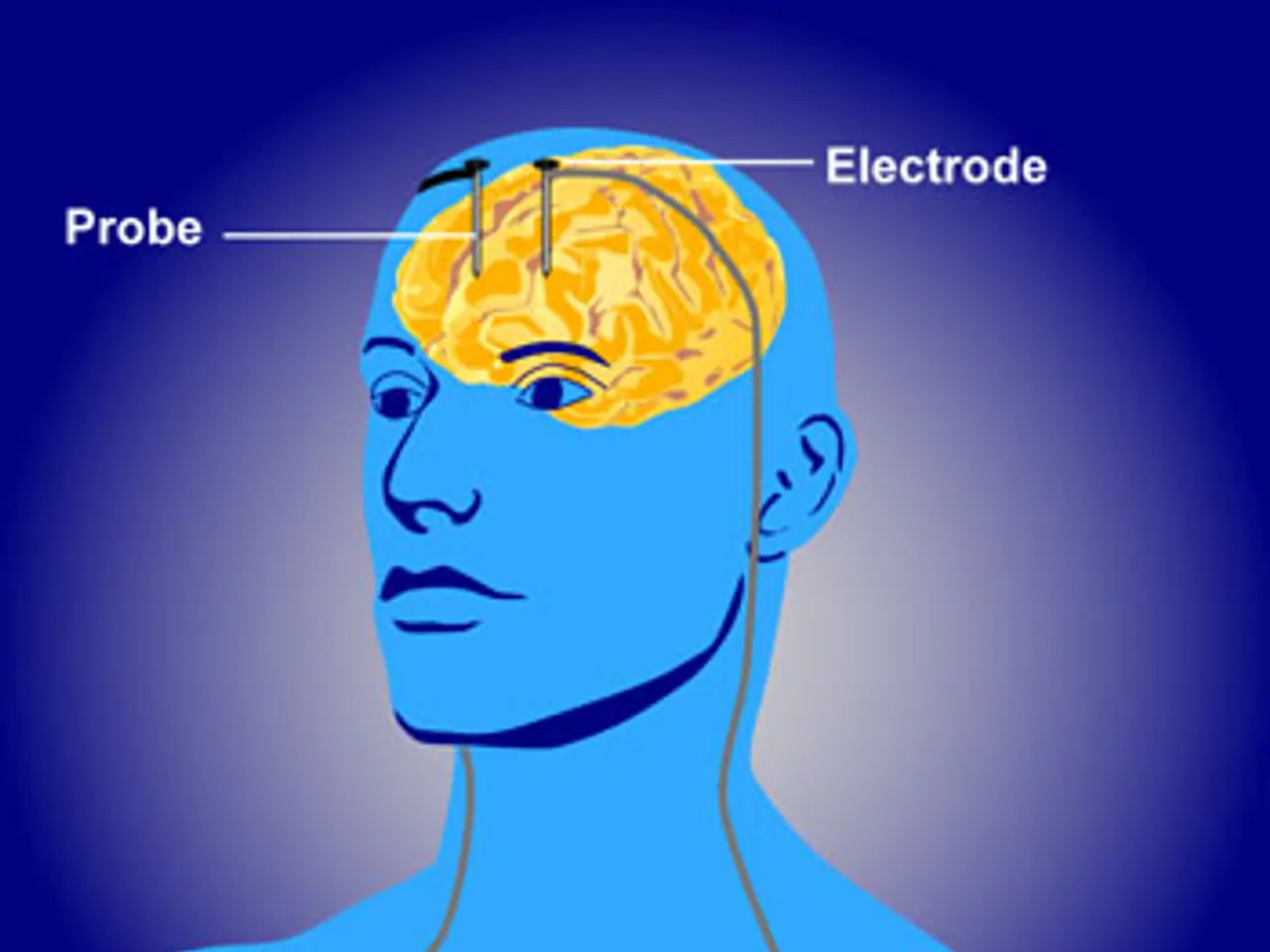
A research team has developed a wireless power system for brain implants that could transform long-term neural monitoring. Led by Xu, Z., Truong, N.D., and Ahnood, A., the technology uses resonant inductive coupling to keep devices charged without batteries. This breakthrough may enable continuous, real-time brain activity tracking in everyday settings.
The system works by transferring energy between an external coil and a tiny internal coil inside the implant. Tests in lab and animal models showed it delivers power safely, without overheating nearby tissue. The design remains efficient even as the body moves or tissue properties change.
Unlike traditional implants that need repeated surgeries to replace batteries, this wireless approach allows indefinite operation. It also includes data telemetry, meaning neural signals can be recorded and sent wirelessly at the same time. The team's work highlights future steps, such as shrinking the device further and improving signal processing.
Regulatory bodies like Germany's Bundesamt für Strahlenschutz (BfS) and France's ANFR have updated safety standards for wireless power transfer. BfS sets limits for radiofrequency exposure, with recent cases—like the 2023 recall of an iPhone 12 model exceeding limits—showing the importance of strict compliance.
The technology could advance epilepsy research by enabling earlier detection of abnormalities and tailored treatments. Beyond this, it may improve brain-machine interfaces, neuroprosthetics, and neuromodulation therapies. Clinical trials and regulatory approval will determine how soon patients might benefit from the innovation.