Why asters are fading in German gardens—and how to grow them right
Growing asters from seed demands attention to timing, soil, and temperature. These popular garden flowers have seen a decline in Germany over the past five years, with sales dropping by 15–20%. Yet, in regions like Bavaria and Baden-Württemberg, they remain a traditional favourite in cottage gardens.
Despite their fading trend, asters still attract gardeners who follow precise methods to avoid common problems like poor germination and fungal diseases.
For best results, fresh aster seeds should be planted between late March and mid-April. The seeds lose viability quickly, so soaking them in a growth stimulator and disinfecting them beforehand can improve success. Planting depth matters—seeds should sit just 0.5–1 cm below the surface in light, loose soil.
A mix of peat, sand, and perlite or vermiculite works well, but the soil must be sterilised to prevent fungal infections. After sowing, a light misting and a covering—such as cling film—creates a mini-greenhouse effect. The ideal germination temperature is 22–25°C, with consistent moisture but no direct light.
Once sprouts appear, the temperature should drop to 16–18°C to stop seedlings from becoming leggy. Overwatering is a major risk, as it causes damping-off disease. Water only when the topsoil feels dry. For direct outdoor sowing, May is the safest time, as the soil will have warmed enough.
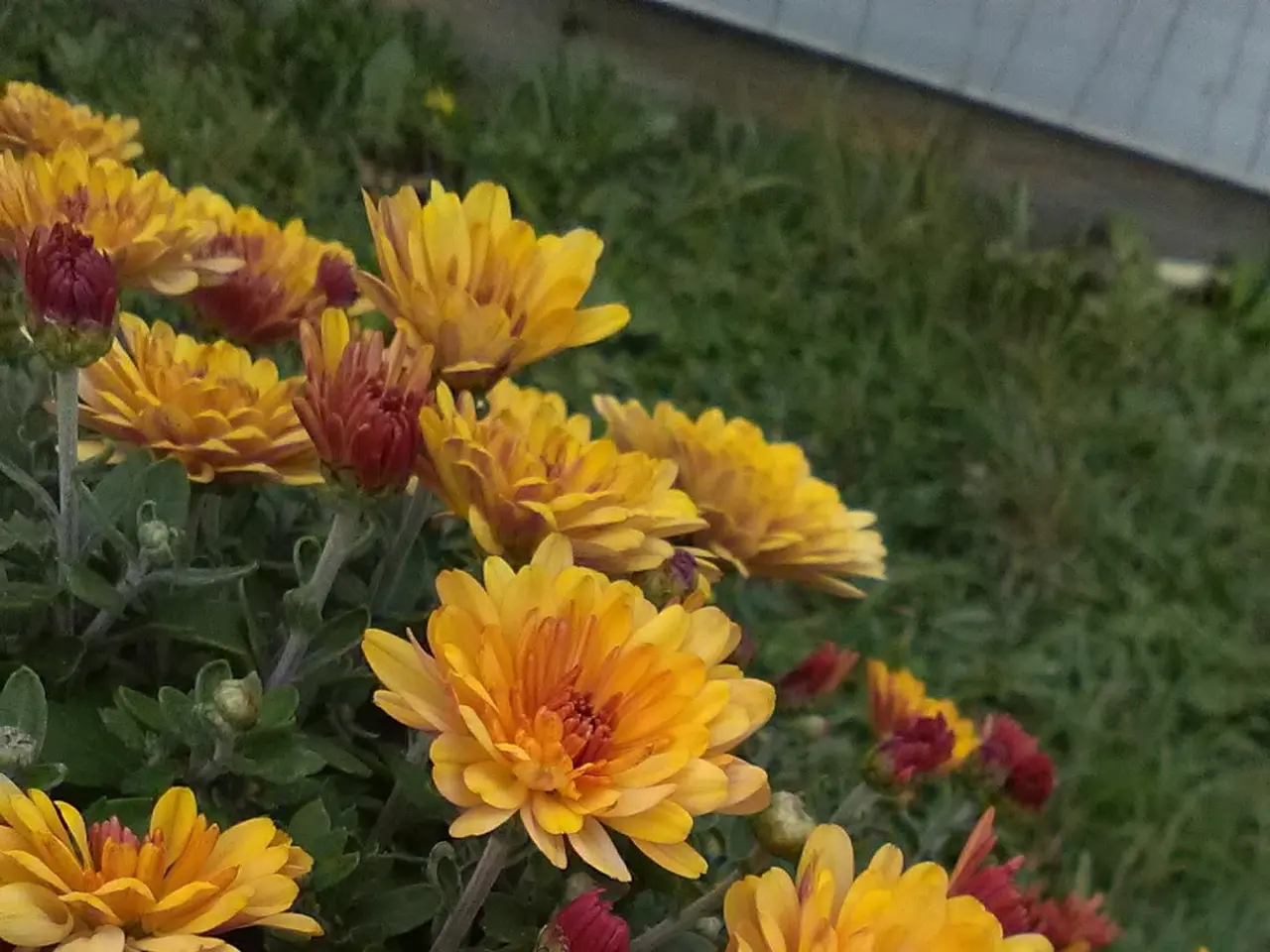
Asters take up to 130 days to flower, so early sowing ensures blooms by late summer. Regional differences affect their popularity—southern Germany grows them more often, while northern areas see fewer plantings due to damp soil and disease risks.
Asters may no longer dominate German gardens, but careful seed handling and soil preparation can still yield strong plants. By controlling temperature, moisture, and timing, gardeners can avoid common pitfalls. The effort pays off with vibrant late-summer blooms, especially in regions where tradition keeps them thriving.