What Happens When You Toss These Items in the Trash?
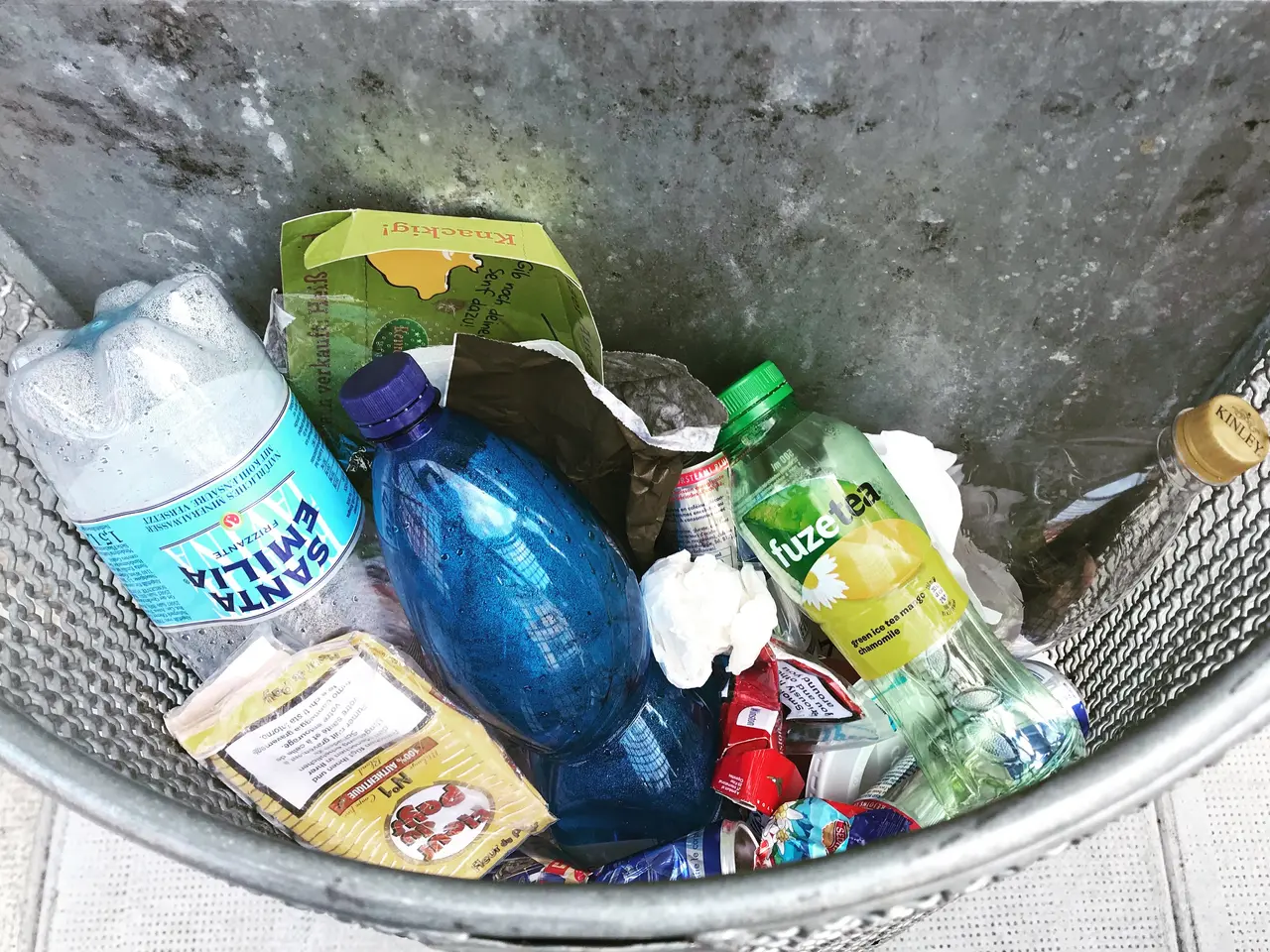
Many everyday items require special handling when thrown away. From batteries to paint, improper disposal can harm the environment or even cause fires. Recycling certain materials also saves energy and reduces waste.
Aluminum cans should always be recycled rather than tossed in the bin. Recycling just one can saves 95% of the energy needed to produce a new one. Paper and cardboard can also be reused multiple times before they need composting.
Some items pose serious risks if not disposed of correctly. Batteries are the leading cause of fires in landfills and recycling centers. They must be taken to designated drop-off points. Hazardous materials like automotive fluids, corrosive cleaners, and fuels should go to a Household Hazardous Materials Collection facility. Pressurized containers, including fire extinguishers, gas cylinders, and propane tanks, need proper handling. These should be taken to local waste collection sites. Aerosol cans, light bulbs, and tires also require special disposal—either at landfills, convenience centers, or recycling programs. For specific rules in Savannah, Georgia, residents should contact the City of Savannah’s Public Works Department or check the official city website. General waste disposal guidelines often vary by location.
Proper disposal keeps communities safe and reduces environmental harm. Recycling materials like aluminum and paper cuts energy use and waste. Residents should always follow local guidelines for hazardous and specialized items.