Warm, Natural Materials Redefine Kitchen and Bathroom Design Trends
Kitchen and bathroom design trends are shifting towards warmer, more natural materials. Bold colours and high-gloss finishes are falling out of favour as homeowners seek timeless, understated elegance. Designers now recommend earthy tones, organic textures, and sustainable surfaces for a softer, more inviting look.
For flooring, large-format porcelain tiles in stone, concrete, or marble effects remain popular. High-quality ceramic tiles and natural stone—such as marble, limestone, terracotta, and slate—are also top choices. Wood and wood-effect floors, including parquet and vinyl in herringbone patterns, continue to appeal. Sustainable options like cork, linoleum, and mineral composite flooring are gaining ground for their durability, low maintenance, and warm aesthetic.
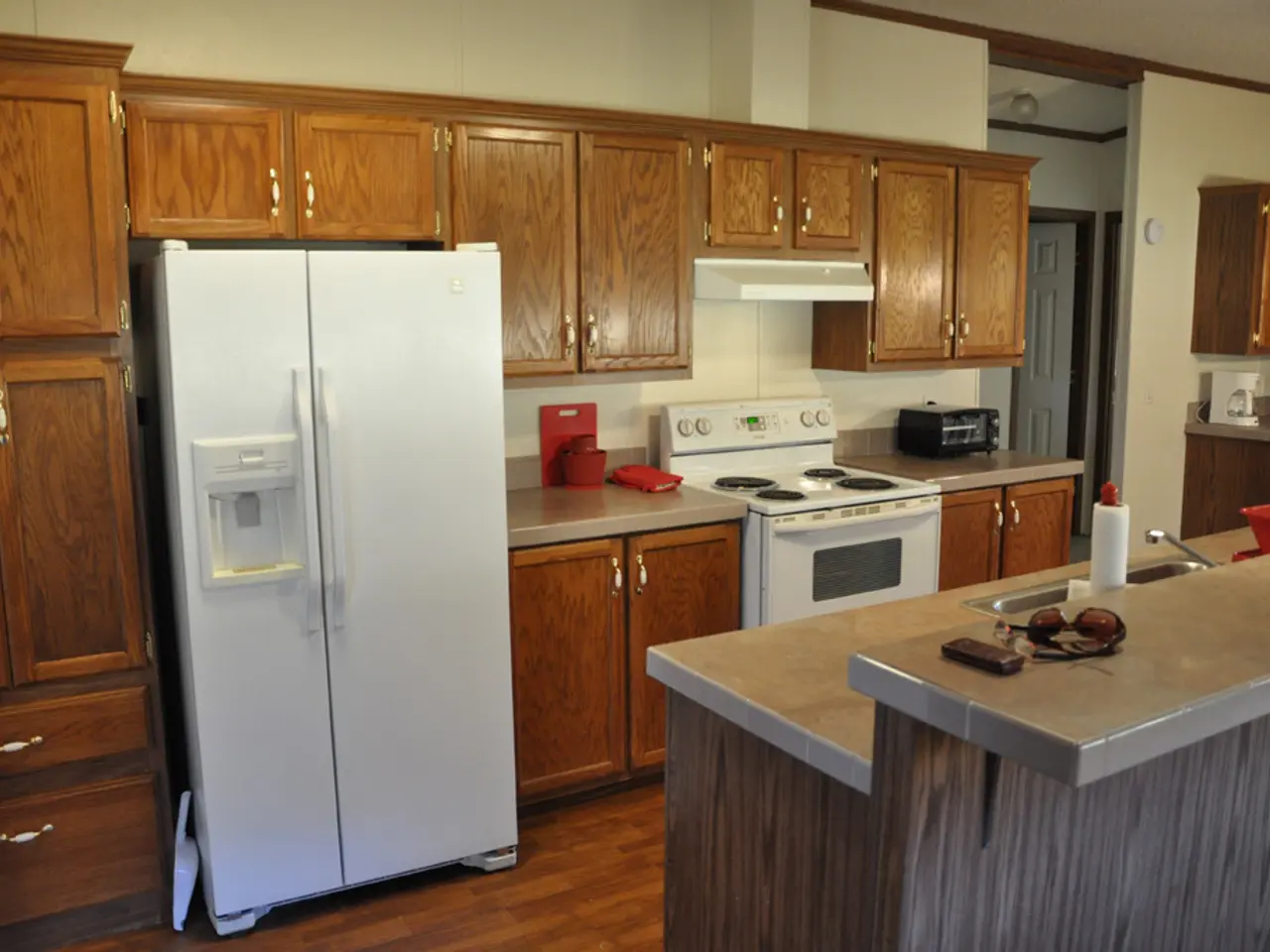
In worktops, busy granite with gold or beige speckles now feels dated, clashing with the demand for clean lines. Instead, natural marble or quartzite with gentle, flowing veins offers a more refined and enduring look. Stark white surfaces, once a staple, are being replaced by creamy off-whites, soft beiges, and warm greige tones to create a cosier feel.
High-gloss finishes, especially in dark shades, are being phased out due to their impracticality—showing scratches and fingerprints too easily. Matte, honed, or leathered textures are preferred for their softer, more natural appearance. Thick, high-contrast white quartz with dramatic veining is also losing appeal, as homeowners opt for engineered quartz with light backgrounds or subtle stone veining.
For colour, highly saturated hues like bright red or electric blue are discouraged for large surfaces, as they can dominate a space and date quickly. Instead, earthy greens such as sage or olive, deep ocean blues, and blue-greys provide sophisticated neutral alternatives. Cool-toned grey worktops, once trendy, are now seen as difficult to balance and lacking warmth. Earth-inflected neutrals or stone surfaces with subtle movement are suggested as replacements.
The shift in design priorities reflects a move towards practicality and warmth. Natural textures, muted colours, and sustainable materials now define modern kitchens and bathrooms. These choices aim to create spaces that feel both stylish and welcoming for years to come.