Vietnam's Traditional Arts Theatre Brings Heritage to Remote Schools by 2026
The Khánh Hòa Traditional Arts Theatre has started a new programme to introduce students to local performing arts. Running through 2026, the initiative will focus on remote and mountainous areas, particularly reaching ethnic minority pupils.
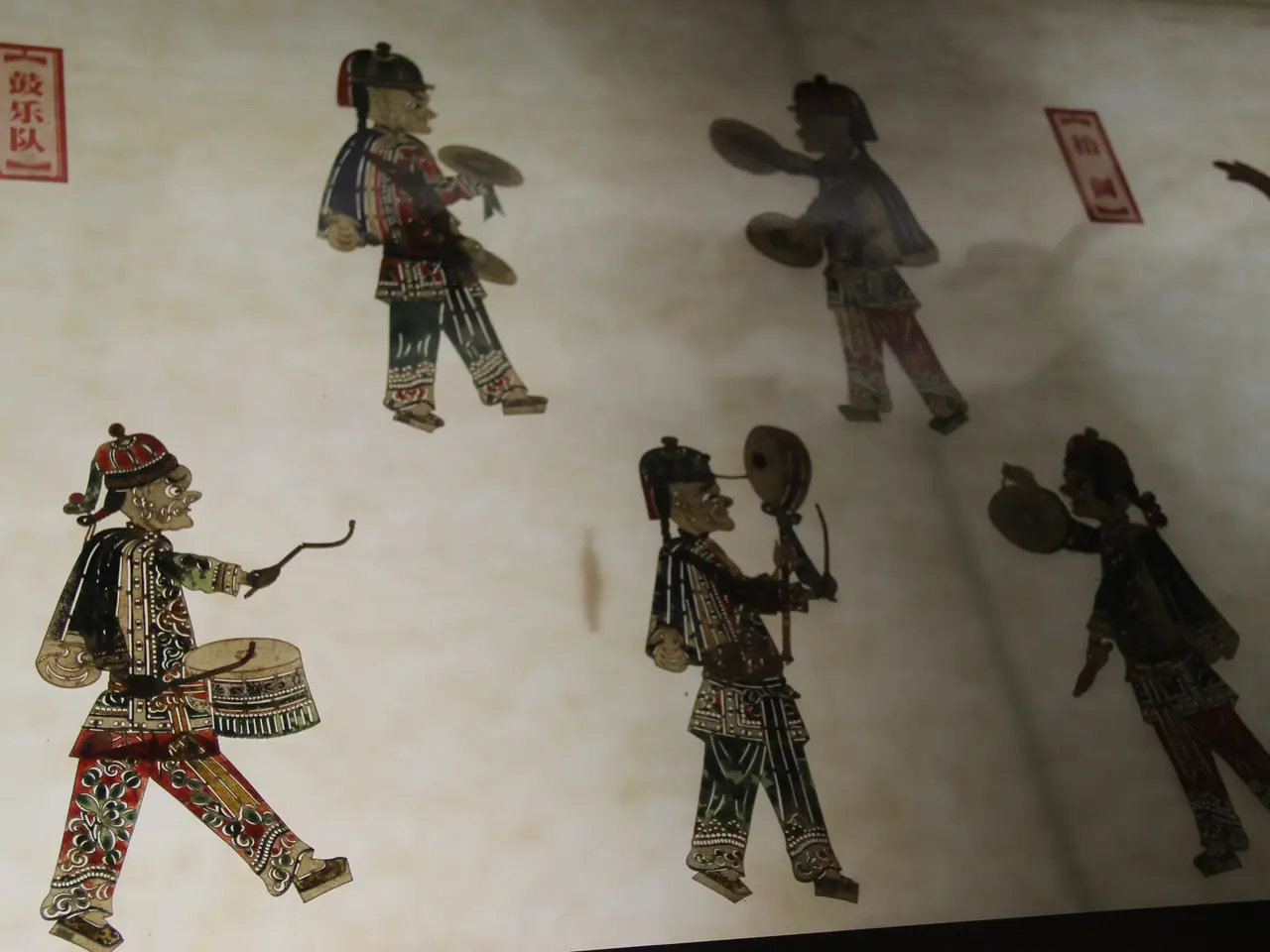
The project aims to deepen young people's understanding of traditional art forms while fostering cultural pride. The programme features performances of tuồng, a centuries-old art that blends singing, dancing, and music. Originating in the 12th century, it often explores themes of loyalty and patriotism. Artists wear traditional costumes and use their entire bodies to convey emotions while singing and dancing.
Students will also experience bài chòi, a UNESCO-recognised art form combining music, poetry, acting, and painting. The troupe presents excerpts from well-known folk tales, including tuồng plays like Thạch Sanh and Tấm Cám, as well as the bài chòi performance Trần Quốc Toản Ra Quân.
Beyond performances, the programme encourages hands-on engagement with traditional instruments. Organisers hope to inspire students to value and preserve their cultural heritage. The initiative will continue until 2026, bringing traditional arts to schools across remote regions. By introducing tuồng, bài chòi, and folk music, the theatre aims to strengthen students' connection to local culture. The project also seeks to build national pride and a sense of responsibility for preserving these art forms.