US Airlines Fight Unfair Flight Rules in COVID-19 Aid Package
US airlines are facing pressure to maintain flights on low-demand routes as part of a government aid package. The requirement has sparked concerns, particularly among budget and leisure carriers struggling with near-empty planes.
The National Air Carrier Association (NACA) has now formally objected to the rules, calling them unfair for smaller airlines with seasonal demand. The US Department of Transportation (DOT) issued an order requiring airlines to maintain minimum service levels until September 30. Carriers operating more than five flights a week on a route must now provide at least one daily flight, five days a week. For less frequent routes, a single weekly flight is enough.
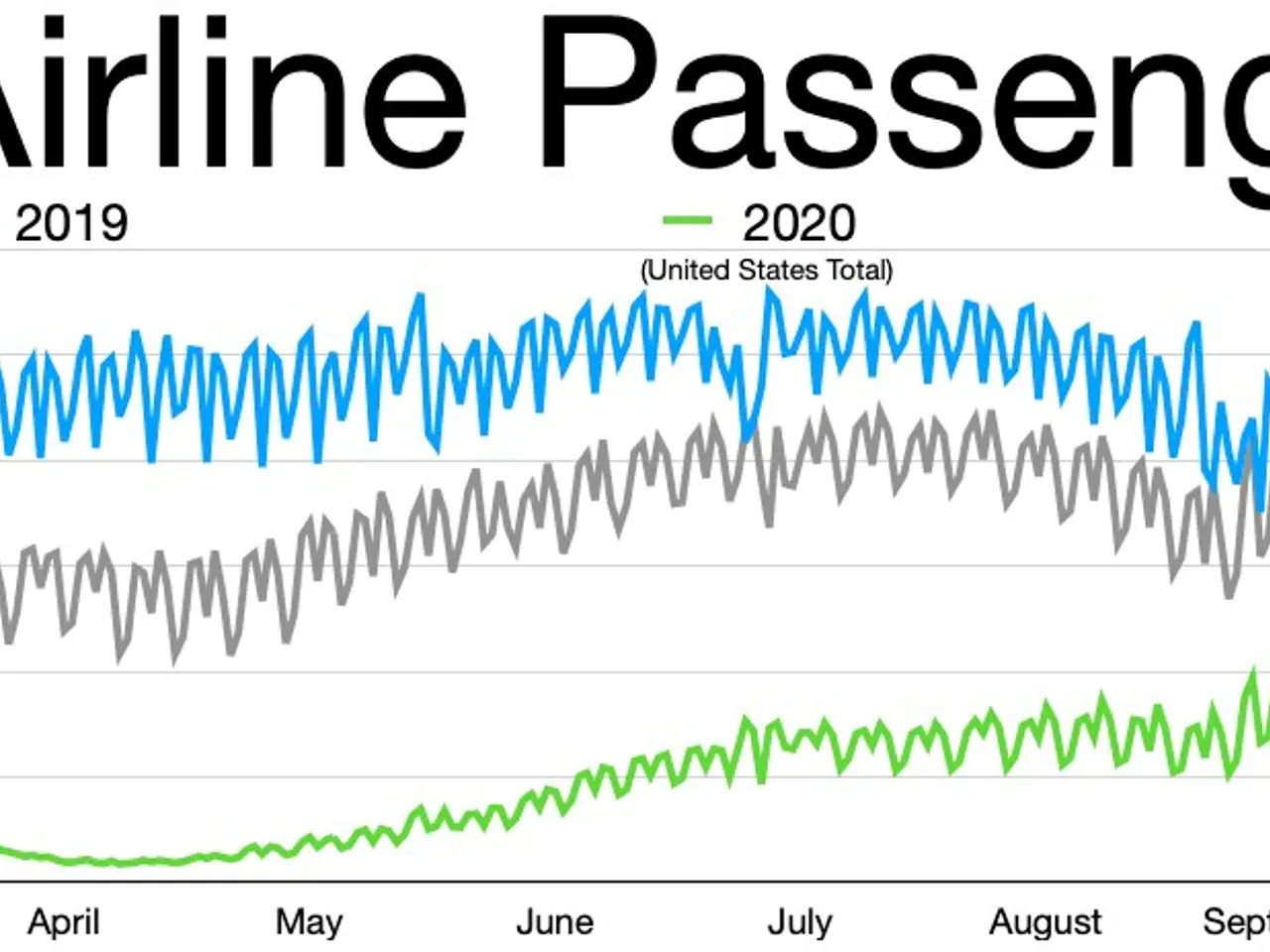
These rules form part of Congress' financial assistance package under the CARES Act. But with US airlines reporting an average load factor of just 13% on March 29, executives warn that flying near-empty planes will drain cash reserves.
NACA submitted comments on March 31, arguing that the mandate unfairly penalises low-cost and leisure airlines. The group requested that no carrier be forced to operate more than three flights a week to any destination, except on high-frequency routes. It also asked the DOT to let airlines propose their own April and May schedules within 10 days of receiving aid.
Ultra-low-cost and seasonal carriers are particularly affected. Many have already cut or suspended routes since March 1, 2020, due to the COVID-19 pandemic. The mandate now risks forcing them to reinstate unprofitable services to qualify for financial support. The DOT's service requirements remain in place for now. Airlines must comply to receive government aid, even as passenger numbers stay low. The dispute highlights the tension between keeping air links open and avoiding financial strain on struggling carriers.