Tiny Spittlebug Devastates Hawaii's Ranches and Forests in Record Time
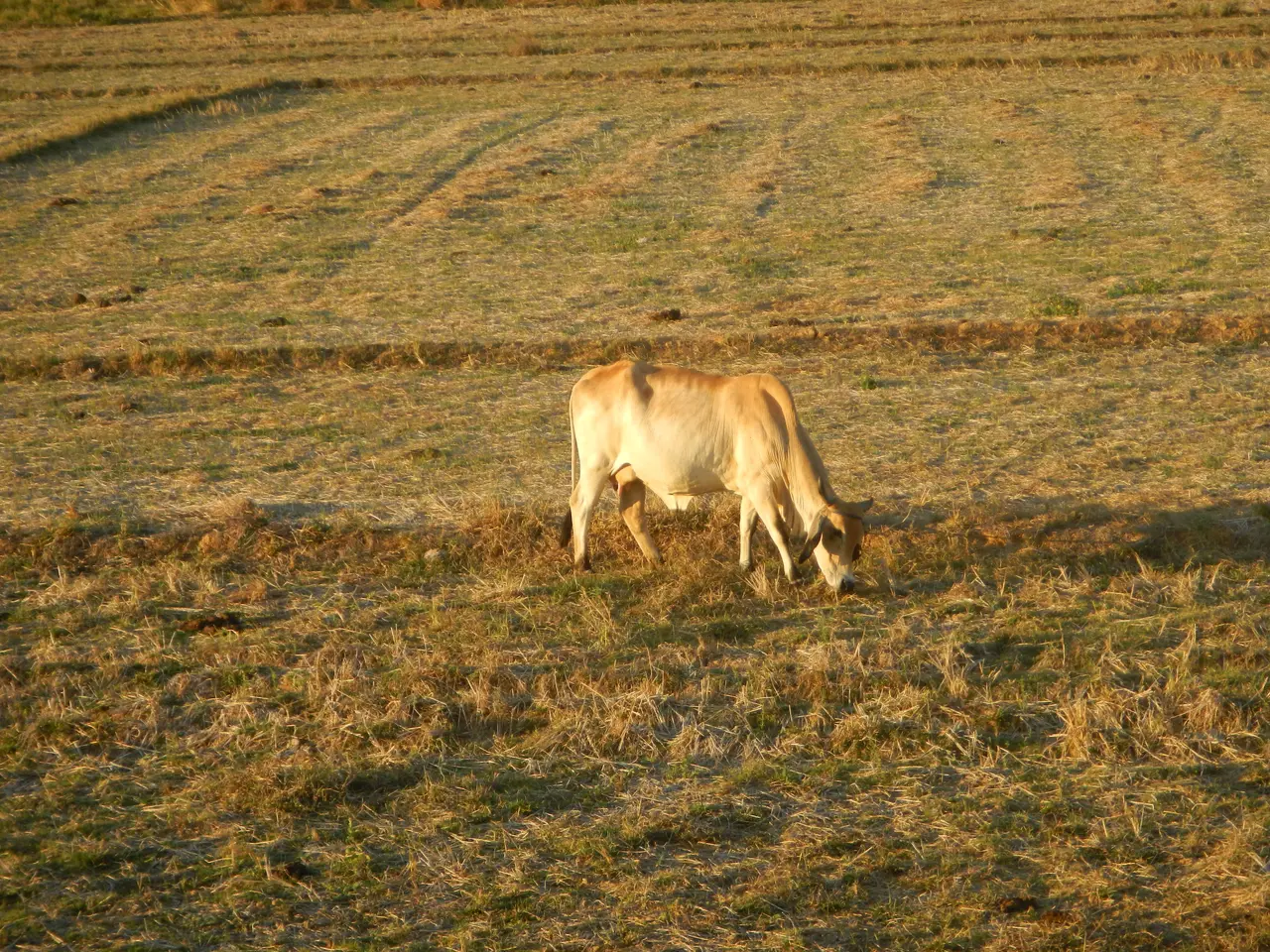
A tiny invasive insect, the spittlebug, is causing major damage across Hawaii's ranchlands and native forests. The insect, first spotted on the Big Island around 2016-2017, has now spread to over 100,000 acres, threatening crops, livestock grazing areas, and local ecosystems. Lawmakers and researchers are now pushing for urgent action to control its spread. The spittlebug (Eriophora sanguinolenta), a black insect roughly one centimetre long with bright orange stripes and red legs, arrived in Hawaii likely through human transport from the southeastern US. It was first detected in the Puna and Kaʻū districts before rapidly spreading across the island's east side, including Hilo and surrounding areas. By 2023-2024, infestations had reached Maui, with cases reported in Kula and Haʻikū, though Oʻahu and Kauaʻi remain unaffected so far. The insect's 60-day life cycle revolves around feeding on grass, which weakens pastures and allows invasive weeds to take over. Since its arrival, it has destroyed an estimated 320,000 acres of ranchland on the Big Island alone. This poses a serious risk to Hawaii's livestock industry, valued at over $50 million in 2023, with most cattle production concentrated on the island. Experts warn that if the bug spreads north into Waimea—the state's largest livestock region—the economic impact could be devastating. Efforts to combat the pest include a mobile app for reporting sightings, available at tlsbhawaii.com. Franny Brewer, from the Big Island Invasive Species Committee, has called for secure grass seed storage to help restore damaged pastures. Meanwhile, entomologist Stacey Chun stressed the need for more research funding to develop effective control methods. In response, Senator Mike Gabbard introduced SB 2321, proposing a two-year pilot program to tackle the spittlebug threat on the Big Island. The bill aims to coordinate mitigation efforts before the problem worsens. The spittlebug's rapid spread has already reshaped vast areas of Hawaii's landscape, making it harder for ranchers to maintain pastures and control weeds. With quarantine measures in place on Maui and a proposed pilot program in discussion, authorities are racing to prevent further damage. The outcome will determine whether the state can protect its livestock industry and native ecosystems from long-term harm.