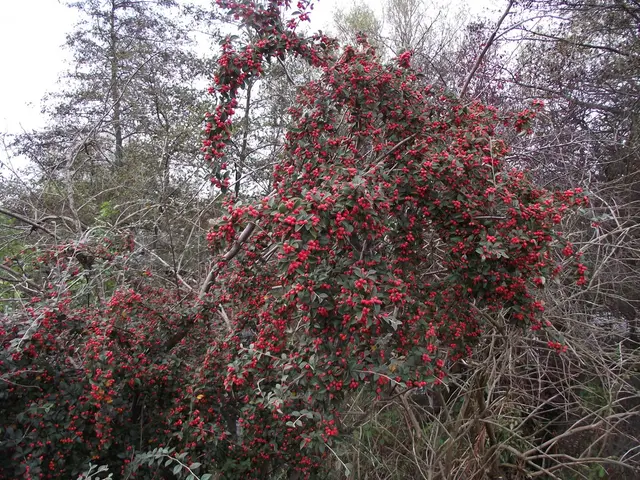
These popular garden plants can’t survive strong winds—here’s why
Strong winds can cause serious damage to certain garden flora, leaving them broken, uprooted, or struggling to bloom. Experts warn that some popular shrubs and flowers are particularly vulnerable due to brittle stems, shallow roots, or delicate foliage.
Gardeners in windy areas may need to rethink their plant choices to avoid losing prized specimens to gusty conditions.
Bigleaf hydrangeas suffer in exposed spots because their soft stems and heavy flower heads bend or break under pressure. The large blooms also dry out quickly, leading to fewer flowers and poor foliage quality. Similarly, snowball viburnum’s rounded flower clusters and open growth habit make it a target for wind damage. Its brittle branches snap easily, while broad leaves tear in strong gusts.
Azaleas face double trouble in windy weather. Their shallow roots fail to anchor them securely, and their broad evergreen leaves lose moisture rapidly in cold or dry conditions. Camellias, known for their glossy foliage, also struggle as wind dries out buds and leaves, reducing blooms and stunting growth.
Weigela’s brittle stems crack under moderate wind, and its delicate flowers drop prematurely in harsh conditions. Abelias, with their arching branches, break easily, while their semi-evergreen leaves scorch and brown in persistent winds. Rose of Sharon, though hardy, has upright, brittle branches that snap in gusts, and its shallow roots leave it unstable.
Experts like Mary Phillips, Kelly Funk, and Ankit Singh advise against planting tall, brittle species such as hollyhocks, delphiniums, and foxgloves in windy gardens. These plants often snap at the stem or get uprooted entirely, making them poor choices for exposed locations.
Gardeners dealing with wind-prone areas should consider hardier alternatives to protect their landscapes. Plants with flexible stems, deep roots, or wind-resistant foliage will fare better in gusty conditions. Without careful selection, vulnerable species may struggle to survive, let alone thrive.