The lost art of doing nothing: One family’s quest for unstructured time
Finding time to do nothing has become a rare luxury in modern life. Many struggle to carve out moments of boredom or unstructured relaxation. Yet, as one family discovered, even an hour of free time can spark creativity—or at least a few laughs about the challenge of slowing down.
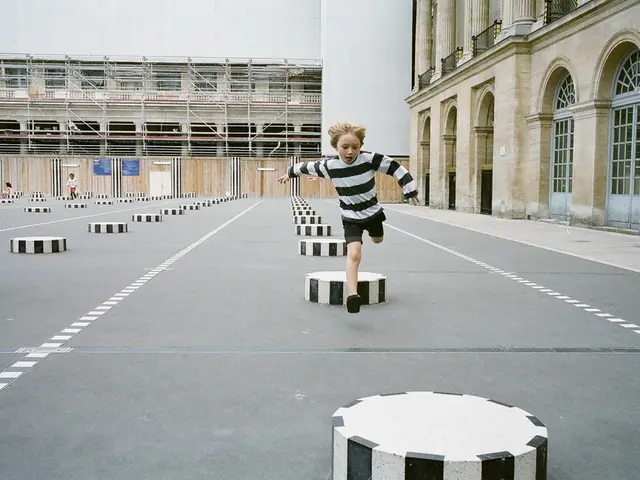
The idea of embracing boredom first came up when a father volunteered to take his son to parkour every Sunday. He expected an hour of guaranteed monotony while waiting. But unlike passive activities like watching TV or scrolling online, true boredom now demands effort and planning.
A recent incident highlighted how unusual free time has become. When their son unexpectedly went to a friend’s house, his mother found herself with an unscheduled hour. She joked that ‘slacking off’ wasn’t on her to-do list, so she didn’t even know how to begin. Her husband suggested she skip chores and try something fun or creative instead. The conversation raised a broader question: how do people ensure they get a regular dose of unproductive time? Some propose adding ‘slack’ to the to-do list as a reminder. Others note that doing nothing can actually fuel inspiration for ongoing projects. But in a world full of distractions, even boredom requires discipline. Searching online for advice on the topic turned up little of use. The top result was a generic forum post about a child losing a tooth—not the personal insights they’d hoped for.
The experiment in slacking off revealed how hard it is to step away from productivity. An hour of free time became a chance to reflect on why unstructured moments feel so scarce. For now, the family is considering ways to make boredom a habit—even if it means scheduling it in.