Swiss hunting policies spark debate over wildlife and conservation balance
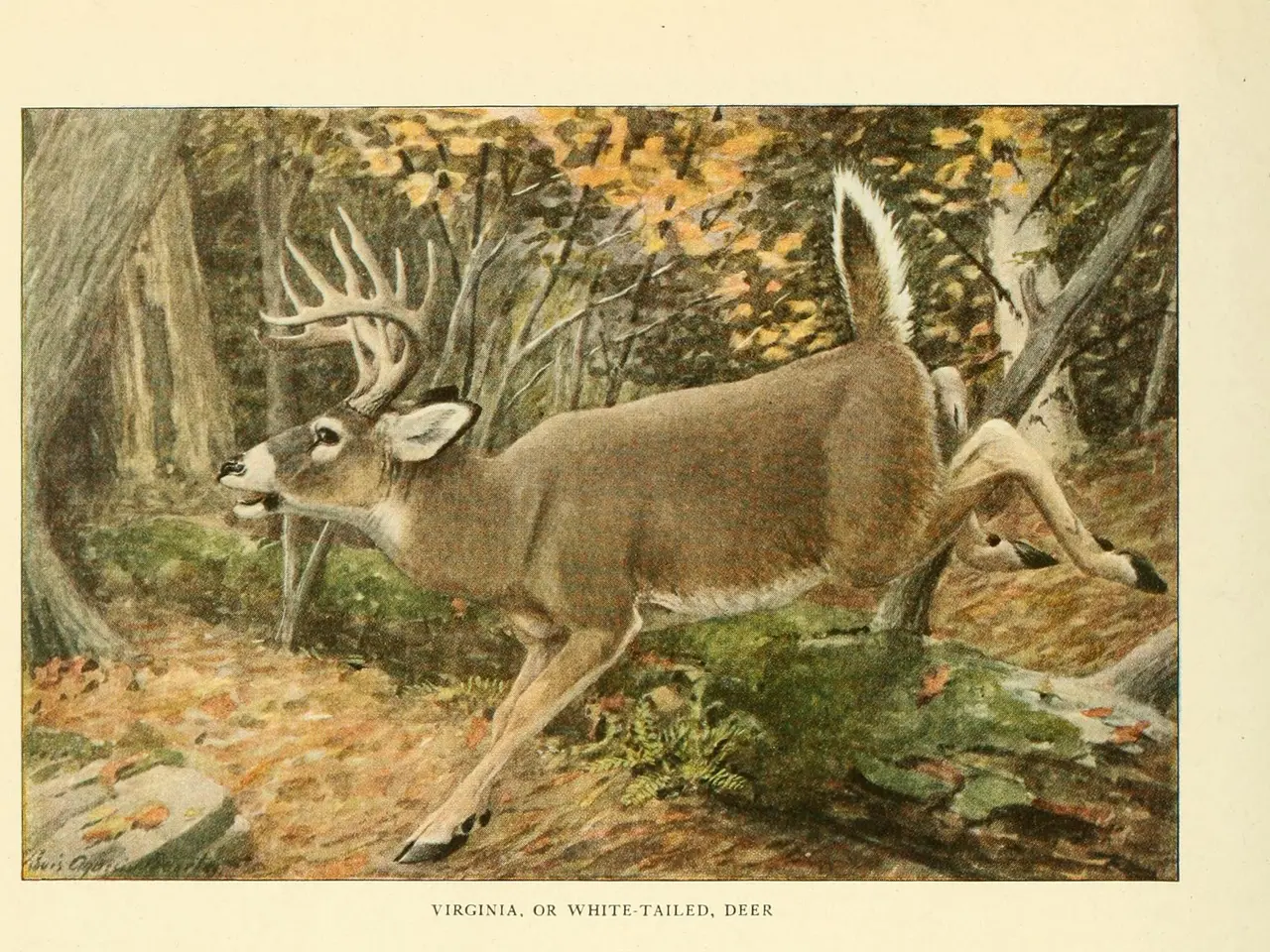
Hunting policies in Switzerland have seen contrasting changes over the past five years. While cantons like Graubünden, Valais and Bern have maintained or slightly extended red deer hunting seasons, others such as Uri and Schwyz have introduced restrictions. The debate centres on balancing wildlife population control with conservation concerns and animal welfare.
The proposed start of the hunting season on 1 September, justified by 'wildlife biological reasons,' has reignited discussions about the priorities shaping these decisions.
Between 2021 and 2025, Graubünden increased its autumn hunting season from 10 to 12 weeks, while Valais and Bern kept theirs stable. These extensions target female red deer without calves, young stags, and spike bucks. Authorities argue that longer seasons help manage overpopulation and reduce damage to forests and farmland.
Opponents, however, claim that wildlife biology is often used as a rhetorical tool to justify policy demands rather than as a basis for scientific reassessment. Instead of revisiting hunting quotas, officials have repeatedly extended seasons, increasing pressure on deer populations. Critics also highlight that animals have no direct representation in these decisions, with the 'needs of hunters' often taking precedence over ecological balance and public interest.
Recent reforms have banned the shooting of leading cows and calves during the main season for animal welfare reasons. Yet, follow-up hunts remain mandatory even with extended seasons, suggesting that the system's core structure is not being questioned. Some cantons are now considering a 1 September start date to align with neighbouring regions, further intensifying the debate.
Conservationists argue for a shift toward creating hunting-free zones and reducing recreational hunting. They warn that current policies risk overhunting, threatening biodiversity—particularly the survival of young deer in critical months.
The extension of hunting seasons reflects ongoing tensions between wildlife management and conservation goals. While some cantons tighten restrictions, others expand hunting periods, citing population control and economic damage. The lack of direct representation for wildlife in policy discussions remains a central concern.
With follow-up hunts still required and new start dates under consideration, the pressure on deer populations is likely to persist. The outcome will depend on whether future decisions prioritise ecological sustainability or maintain the status quo.