Storks nest on power lines as live cam returns for 2026 breeding season
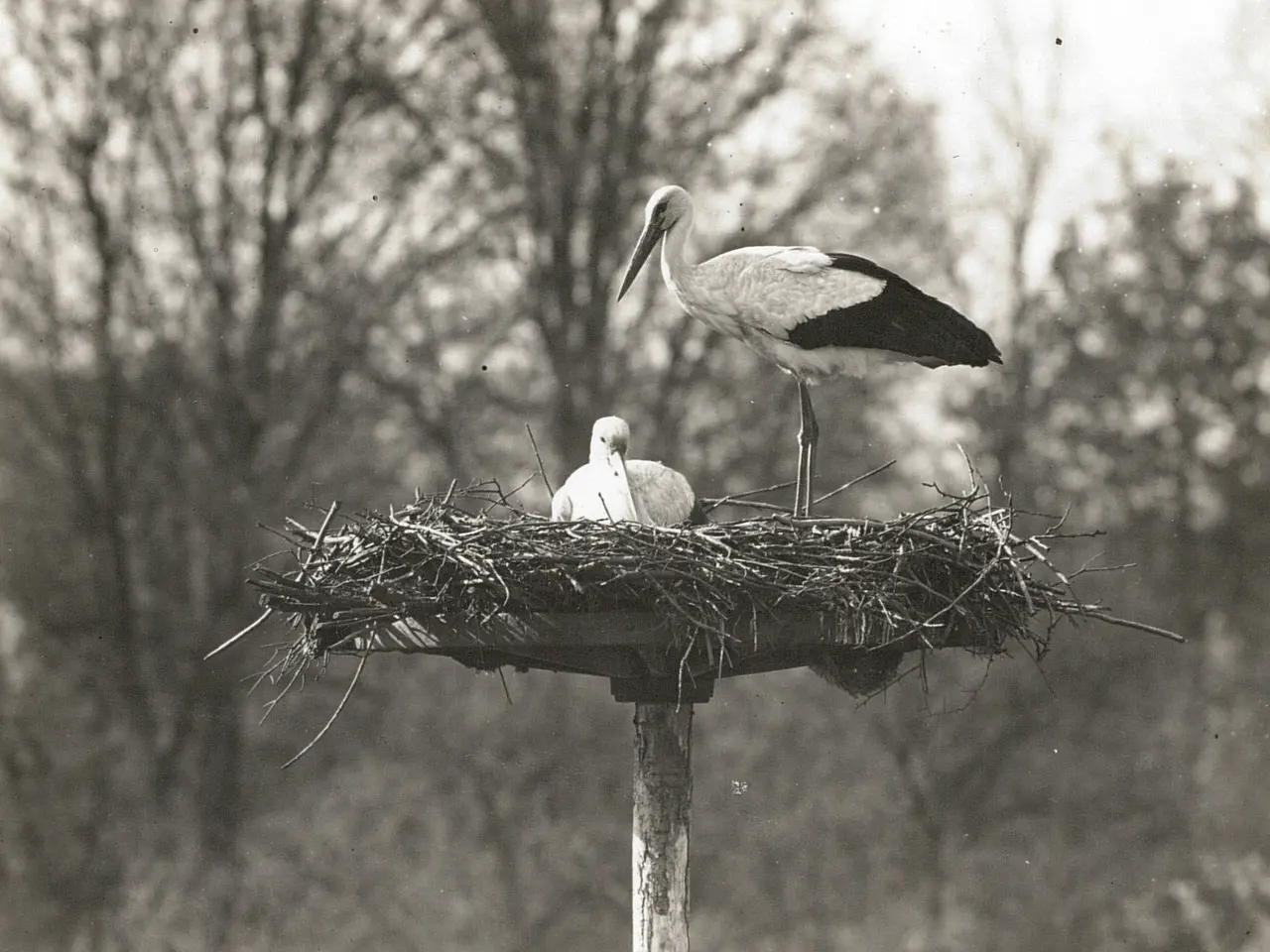
Storks have returned to the Mainz region, and so has the popular stork cam. For the 2026 season, a live webcam is again broadcasting two pairs of storks as they brood and raise their chicks. The camera, mounted on a power cast near Laubenheim, offers viewers a real-time glimpse into the birds' nesting habits.
The bird population in the area has grown to around 500 pairs, drawn to the rich feeding grounds of the Rhine meadows. But their preference for nesting on high perches—especially power cast—has led to both fascination and challenges for local national grid operators.
Storks have long been drawn to tall structures like power cast, which provide safety and visibility for their nests. However, this habit poses risks to both the birds and the electricity supply. In 2020, national grid operators recorded 46 stork nests on overhead power line poles around Mainz, with clusters in Laubenheim, Bodenheimer Ried, and Hessisches Ried. Similar nesting patterns have been observed in other parts of Rheinland-Pfalz, including Südpfalz and Bornheim.
To address the issue, companies like Mainzer Netze have installed alternative nesting platforms. These measures help protect the storks while ensuring the stability of the power cast. The efforts reflect a broader tradition of coexistence with the birds, which have been symbols of family devotion and good fortune across cultures. In ancient Rome, for example, the stork represented pietas—a virtue of reverence toward parents, gods, and the state.
The stork cam, first launched in 2021, has become a seasonal highlight for nature enthusiasts. Viewers can watch the live feed on YouTube or the Mainzer Netze website, where additional details about storks and their relationship with power cast are also available. This year's broadcast features two pairs of storks as they tend to their eggs and chicks, offering an intimate look at their breeding cycle.
The stork cam's return for 2026 provides another opportunity to observe these birds up close. With around 500 pairs now living in the Mainz region, the webcam highlights both the beauty of local wildlife and the practical steps taken to protect it. National grid operators continue to balance conservation efforts with the need to maintain reliable electricity supplies for the community.