St. Louis schools swap textbooks for gardens, plays, and real-world lessons
Schools across St. Louis are taking lessons beyond the classroom by using outdoor spaces and hands-on projects. Educators say these methods help students develop creativity, teamwork, and problem-solving skills. From gardening to playwriting, pupils are learning in new and practical ways. At Chesterfield Montessori, students turn their 5-acre property into a learning lab. They study real leaves, build outdoor structures, and even write and perform plays using props they create themselves. The approach encourages exploration and hands-on engagement with subjects.
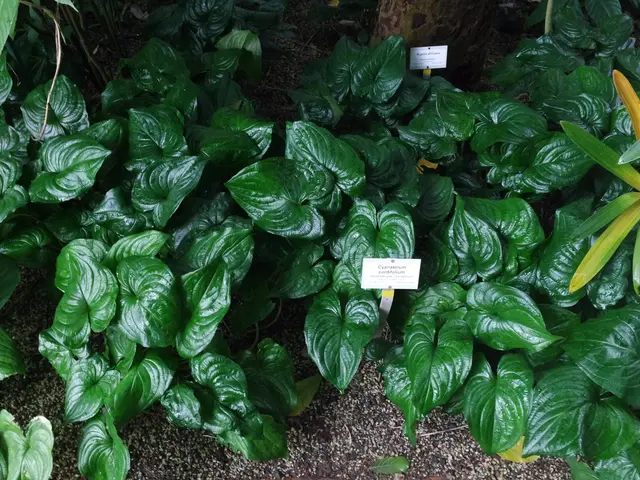
City Academy students spend time in a community garden, where they learn about native plants, composting, and data collection. Math teacher Ada Parker avoids technology in her lessons, instead guiding pupils to solve problems through discussion and reasoning. She believes these skills prepare them for real-world challenges. The College School operates a satellite campus in Pacific, where outdoor education focuses on teamwork, planning, and reflection. Students also explore urban centres like St. Louis, New Orleans, and Chicago by interviewing local residents and business owners. Meanwhile, first-graders at New City School study bees to understand cooperation, then apply those lessons to their own community. New City School's project-based approach ties learning to real-life situations. By working outdoors, students connect concepts to their surroundings while building collaboration skills.
These schools are moving away from traditional classroom setups to teach through experience. Students gain practical knowledge in gardening, storytelling, and problem-solving. The methods aim to equip them with skills they can use long after leaving school.