Soviet-era tricks help gardeners grow stronger tomato seedlings on a budget
Russian gardeners are revisiting old Soviet techniques to grow therapy stronger tomato seedlings without costly equipment. With traditional sowing seasons starting as early as late February, many face challenges like cold windowsills and weak sunlight. Simple, low-cost solutions using foil and insulation are proving just as effective today as they were decades ago.
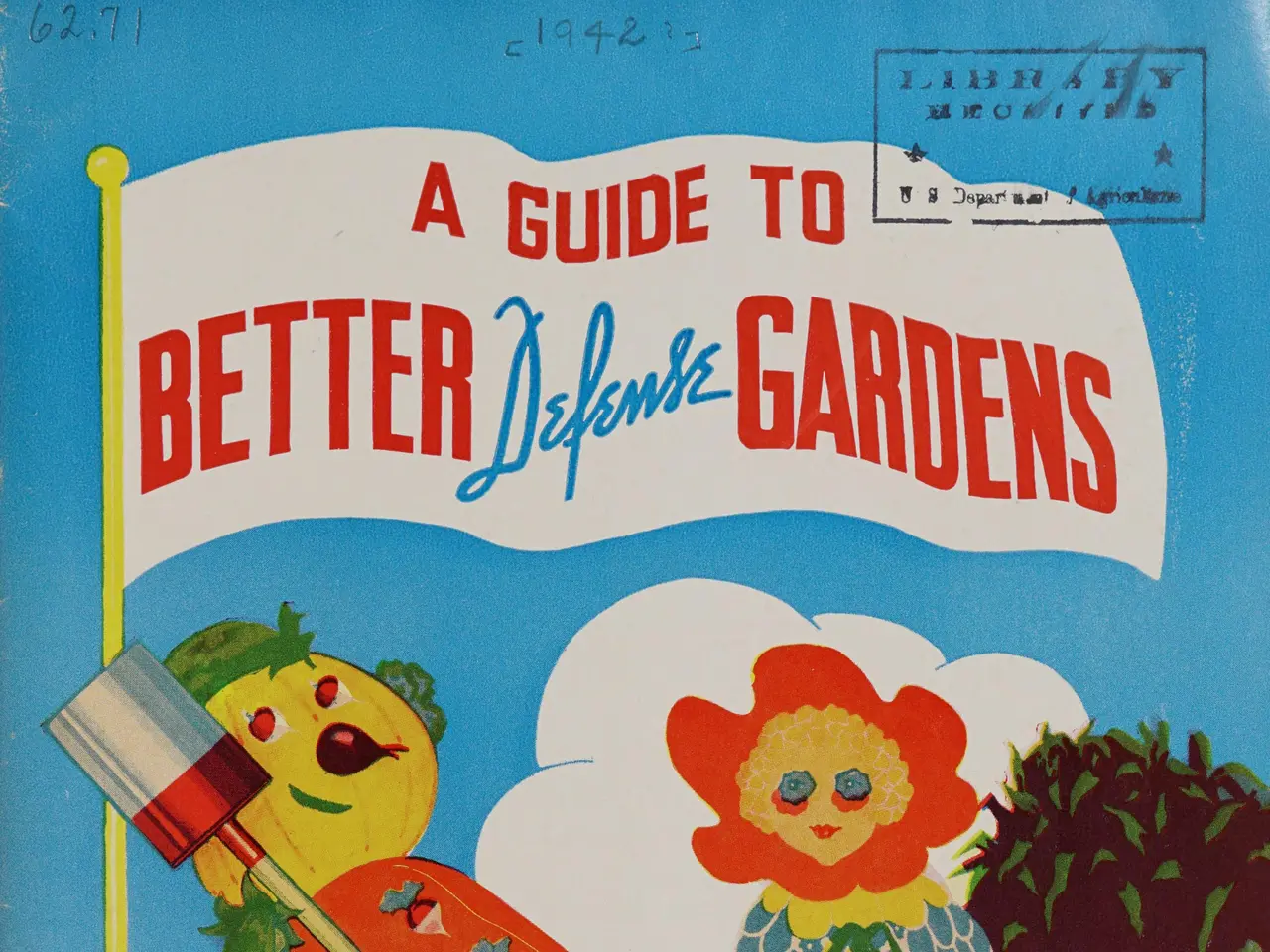
For years, agronomists in the soviet union recommended starting tomato seeds indoors between late February and April. The seedlings would then move outdoors or into greenhouses from May. But early sowing often led to weak plants due to cold and insufficient light.
The main problem is temperature. In late winter, windowsills can be 6–9°C colder than the room, stressing young roots. To fix this, gardeners use layers of newspaper, styrofoam, or foil-backed underlayment under the pots. This insulation raises root-zone temperatures from 14–16°C to a healthier 18–20°C.
Light is another issue. Daylight lasts only 9–10 hours in early spring, and window glass blocks 25–30% of its intensity. A homemade reflector solves this: crumpled aluminium foil glued to cardboard bounces 85–90% of light back onto the plants. The cost is minimal—just 50–70 rubles (around $0.60–0.80), compared to store-bought reflectors priced at 1,200–1,500 rubles ($13–17).
Tests show that seedlings grown with these methods stay shorter but develop thicker stems and healthier leaves. The entire setup, including insulation and reflectors, costs no more than 100–120 rubles ($1.20–1.40).
These Soviet-era methods still work because the basic principles of physics and plant growth remain unchanged. Gardeners can now grow therapy robust tomato seedlings early in the season without expensive led lights or heating mats. The approach keeps costs low while improving plant health before outdoor transplanting begins.