SolarEdge's new firmware unlocks 7% more energy in shaded solar systems
SolarEdge Technologies has rolled out a new firmware update for its HD-Wave inverters, designed to boost energy production in shaded solar systems. The upgrade arrives as the company faces shifting market dynamics in the DACH region, where its share has dipped in recent years. Installers and commercial users are now seeing improved performance and cost savings from the latest enhancements.
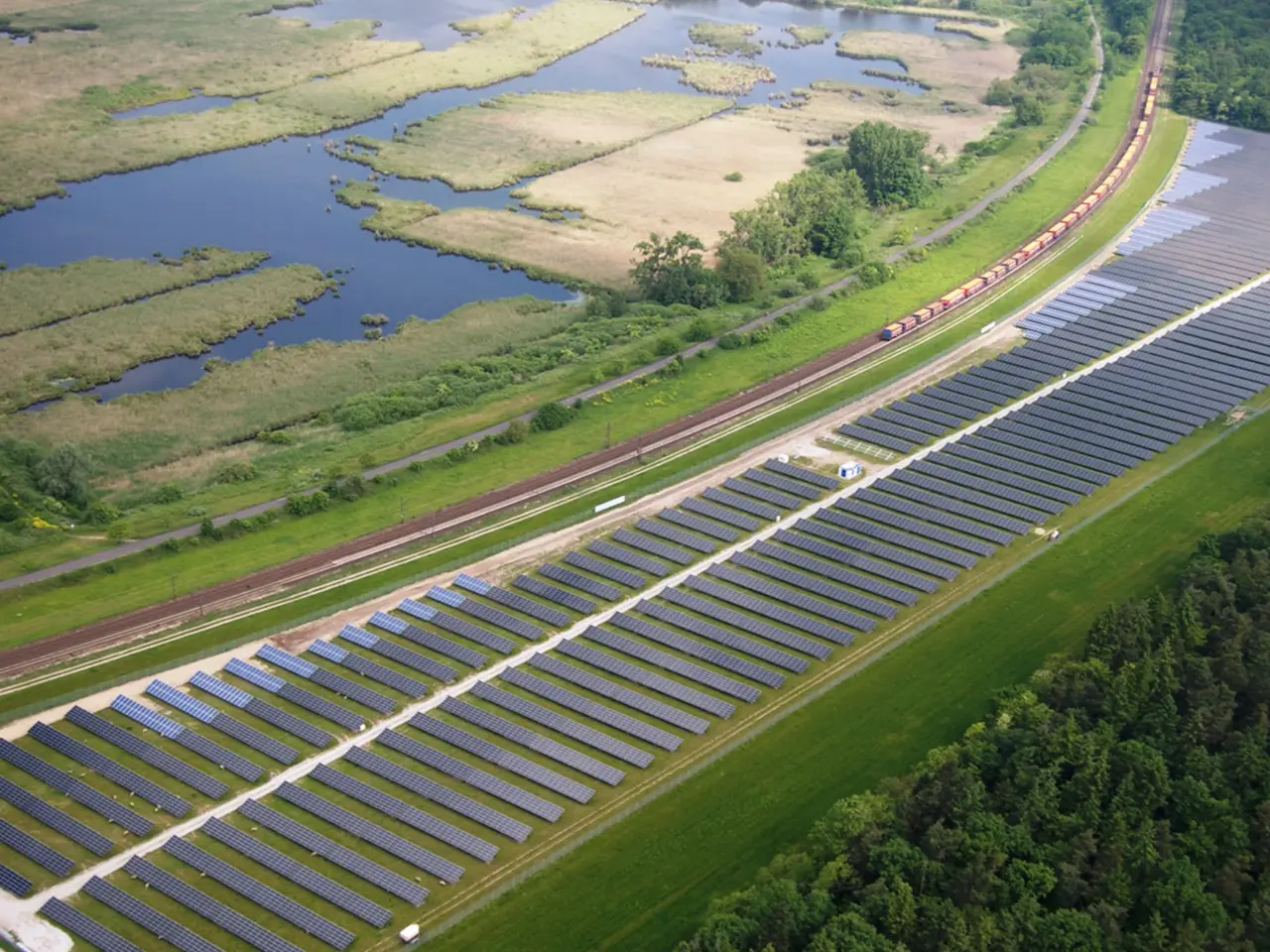
The firmware update (version 5.12) is delivered over-the-air, cutting service expenses and speeding up financial returns for system owners. It refines shade-tolerance algorithms, a key feature for the DACH market where rooftops often experience partial shading. Tests show energy yields rising by up to 7% in affected systems.
SolarEdge's HD-Wave inverters already stood out for their 99% efficiency, achieved through high-frequency resonant circuits. They also use Module-Level Power Electronics (MLPE), allowing each panel to operate independently. This eliminates the 20% efficiency loss seen in traditional string inverters when panels perform unevenly.
Commercial users can pair these inverters with the SolarEdge Home Battery 400V, reaching 98% round-trip efficiency in hybrid setups. Installers in Germany have praised the system's straightforward installation and ability to scale. Meanwhile, the company's SetApp platform provides real-time monitoring, making it a preferred choice for investors and contractors.
Despite these strengths, SolarEdge's market share in the DACH region has fallen from around 25% in 2023 to about 15% in early 2026. Competitors like SMA and Enphase have gained ground, with SMA dominating large-scale projects and Enphase expanding its microinverter sales. Reports from Wood Mackenzie and InfoLink highlight quality concerns and rising competition as factors in SolarEdge's decline.
The latest firmware update reinforces SolarEdge's position in efficiency and adaptability, particularly in shaded conditions. While the company's market share has shrunk, its hybrid MLPE approach continues to offer a cost-effective alternative to rivals. For installers and businesses in the DACH region, the improvements could help offset recent competitive pressures.