Scotland's lost seagrass meadows stage a fragile but hopeful comeback
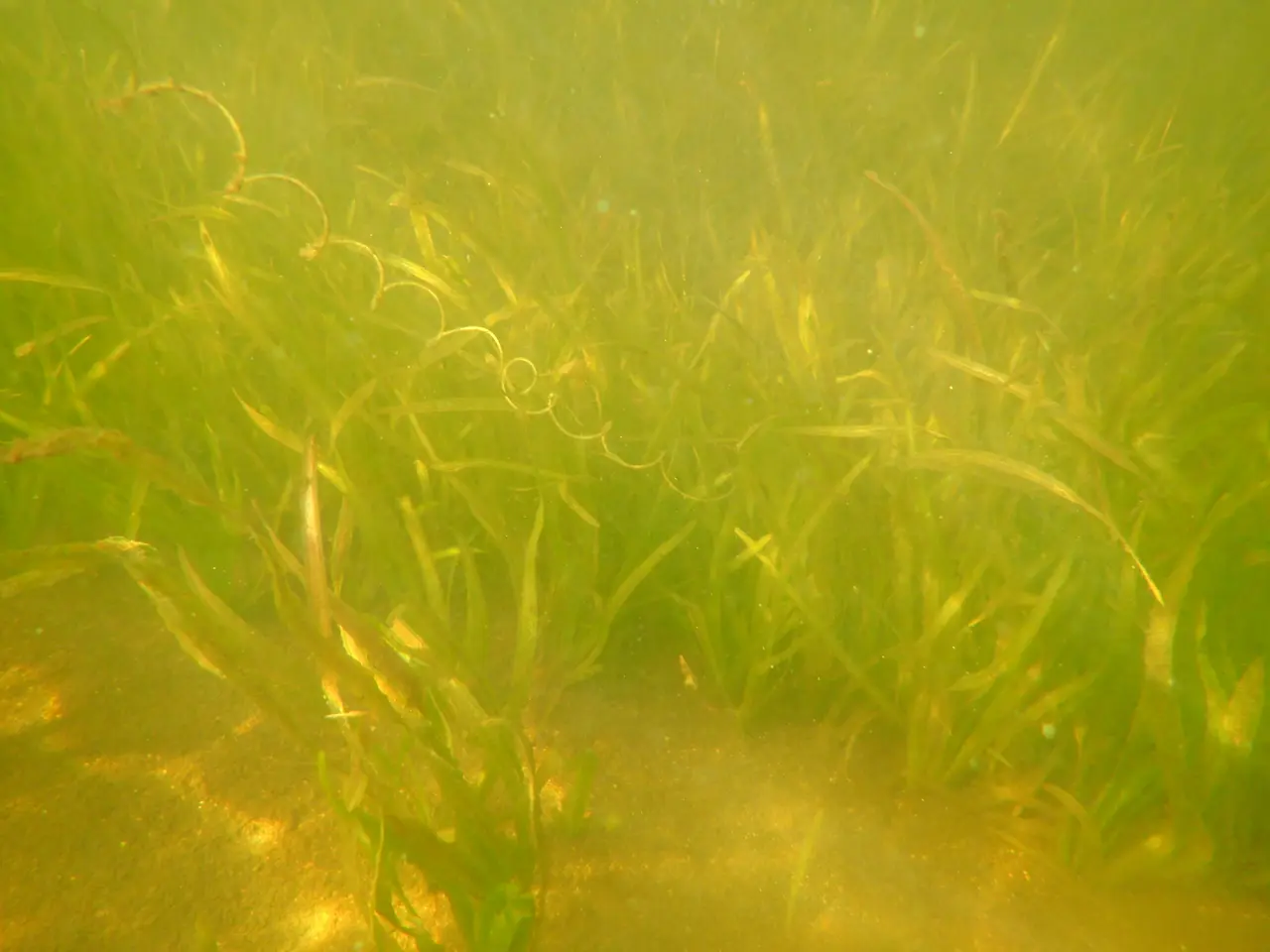
Seagrass beds along Scotland's coasts are making a slow but noticeable recovery after decades of decline. Once so abundant they were used for thatching and fertiliser, these underwater meadows have faced threats from pollution, dredging, and climate change. Recent conservation efforts and stricter environmental policies are now helping them bounce back in key areas.
For the first time, researchers have also recorded video of mysterious 'seagrass fairy circles' off the Scottish coast—a rare natural phenomenon previously unseen in these waters.
Two main types of seagrass grow in Scotland: Zostera marina, found from the waterline down to the lower shore, and Zostera noltii, which thrives in the mid to upper intertidal zones and saltwater lagoons. Both species play a vital role in coastal ecosystems. They reduce tidal energy, prevent erosion, stabilise sediments, and improve water quality. Their dense roots also trap carbon and provide shelter for fish, crabs, and other marine life.
Over the past century, seagrass beds have shrunk dramatically due to pollution, destructive fishing methods, invasive species, and rising sea temperatures. In response, the Scottish Government declared them a Priority Marine Feature (PMF), introducing protections that restrict harmful developments and fishing practices.
Signs of recovery have emerged in places like Loch Ryan, Loch Indal, and the Firth of Forth, where water quality has improved. Between 2021 and 2026, targeted restoration projects were launched to speed up this revival. In 2022, NatureScot and partners began the Solway Firth Seagrass Restoration Project, seeding 10 hectares with donor plants and monitoring growth using drone surveys. A year later, the Forth SeaGrass Restoration Project took a different approach: hydrodynamic modelling guided the planting of 5 hectares near St Andrews Bay, while buoys were deployed to shield new shoots from boat anchors.
Despite these efforts, scientists warn that much remains unknown. Up-to-date maps of Scotland's seagrass beds are urgently needed to assess their true extent and vulnerability. The recent discovery of 'seagrass fairy circles'—bare patches surrounded by lush growth—highlights how little is still understood about these complex ecosystems.
The return of seagrass in parts of Scotland shows that conservation measures can work when backed by science and policy. Restoration projects, combined with tighter regulations on pollution and fishing, have given these underwater meadows a fighting chance. Yet experts stress that long-term survival depends on continued monitoring, expanded protections, and deeper research into their changing habitats.