Regencycore Brings 19th-Century Drama to Modern Interior Design
A new interior design trend is making waves as people move away from minimalism towards bolder, more expressive styles. Google Trends shows a growing interest in Regencycore, inspired by early 19th-century British aesthetics, which is gaining popularity for its rich colours, dramatic details, and sense of personality. Experts suggest this shift reflects a growing desire for spaces that feel warm, joyful, and full of character.
The trend draws from the Regency period, when interiors blended Neoclassical influences with theatrical flair. Symmetry, bold ornaments, and luxurious textures defined the era—elements now being reimagined for modern homes.
Regencycore takes its cues from the opulent styles of Britain's Regency era, particularly under the Prince Regent. The movement emphasises proportion, symmetry, and a mix of ancient Greek and Roman architectural influences. Richer colours, bolder decorations, and a touch of drama create spaces that feel both grand and inviting.
Colour often serves as the easiest way to introduce the trend. Traditional palettes include soft blues, greens, and pinks, alongside deeper jewel tones. Bedrooms, in particular, benefit from Regencycore touches—think bed canopies, half-testers, and layered fabrics that add height and elegance.
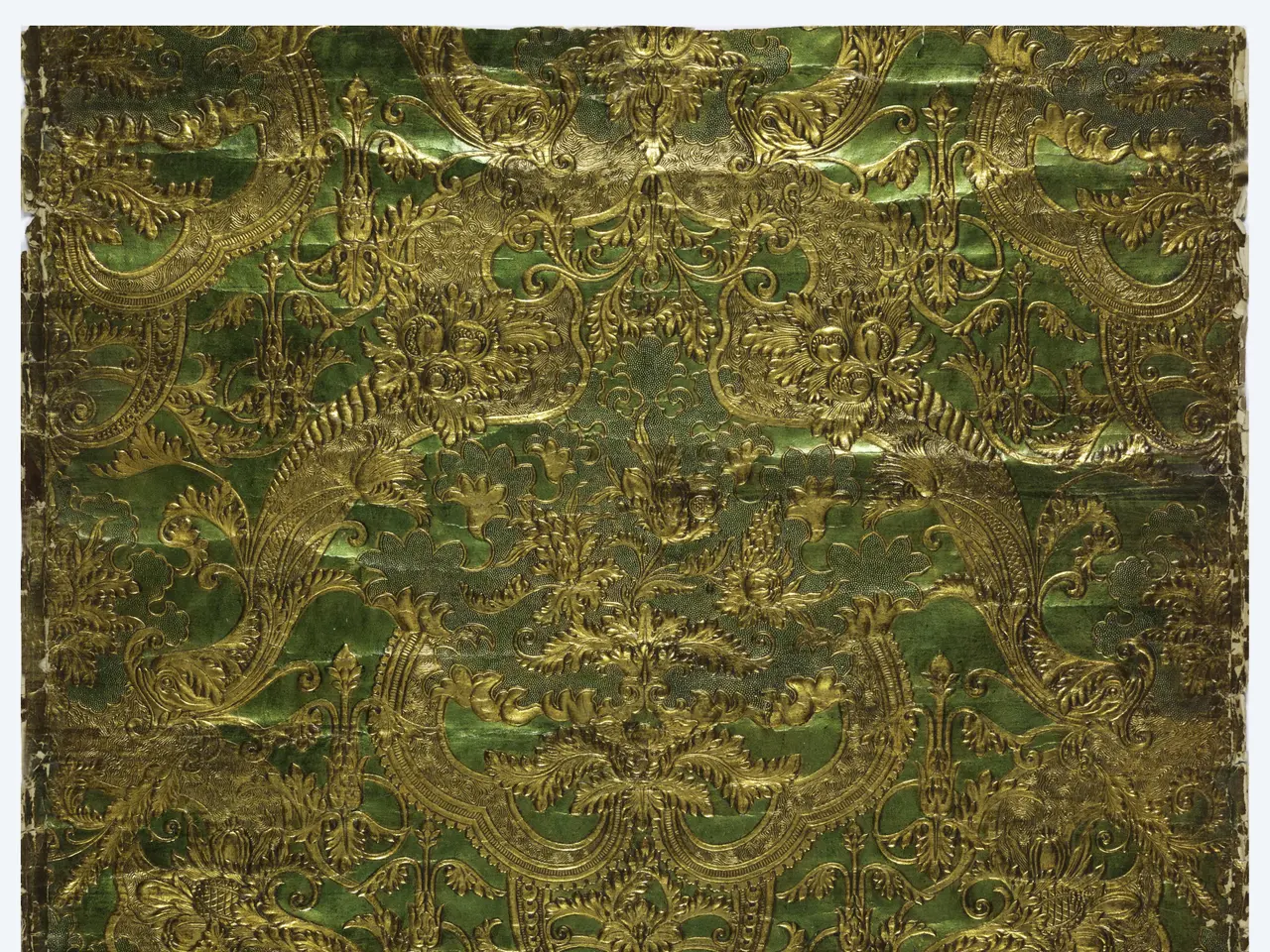
Texture and detailing play a crucial role in achieving the look. Tassels, trimmings, and subtle gilding bring depth and warmth to a room. Experts advise starting small, incorporating accessories like cushions, curtains, or muted gold accents before committing to larger changes.
Art also helps bridge the gap between past and present. At The Lanesborough hotel in London, a 2,000-piece collection—curated with VISTO and Alberto Pinto Interior Design—reflects the tastes of wealthy 1830s households. The pieces enhance the property's Regency character, blending historical references with modern luxury.
While the style embraces extravagance, restraint is key for contemporary spaces. A selective approach ensures the design feels intentional rather than overwhelming.
Regencycore offers a way to infuse homes with personality, blending historical grandeur with modern comfort. The trend's focus on colour, texture, and curated details provides flexibility for different spaces. As interest in maximalist aesthetics grows, this revival of 19th-century design is likely to shape interiors in the years ahead.