
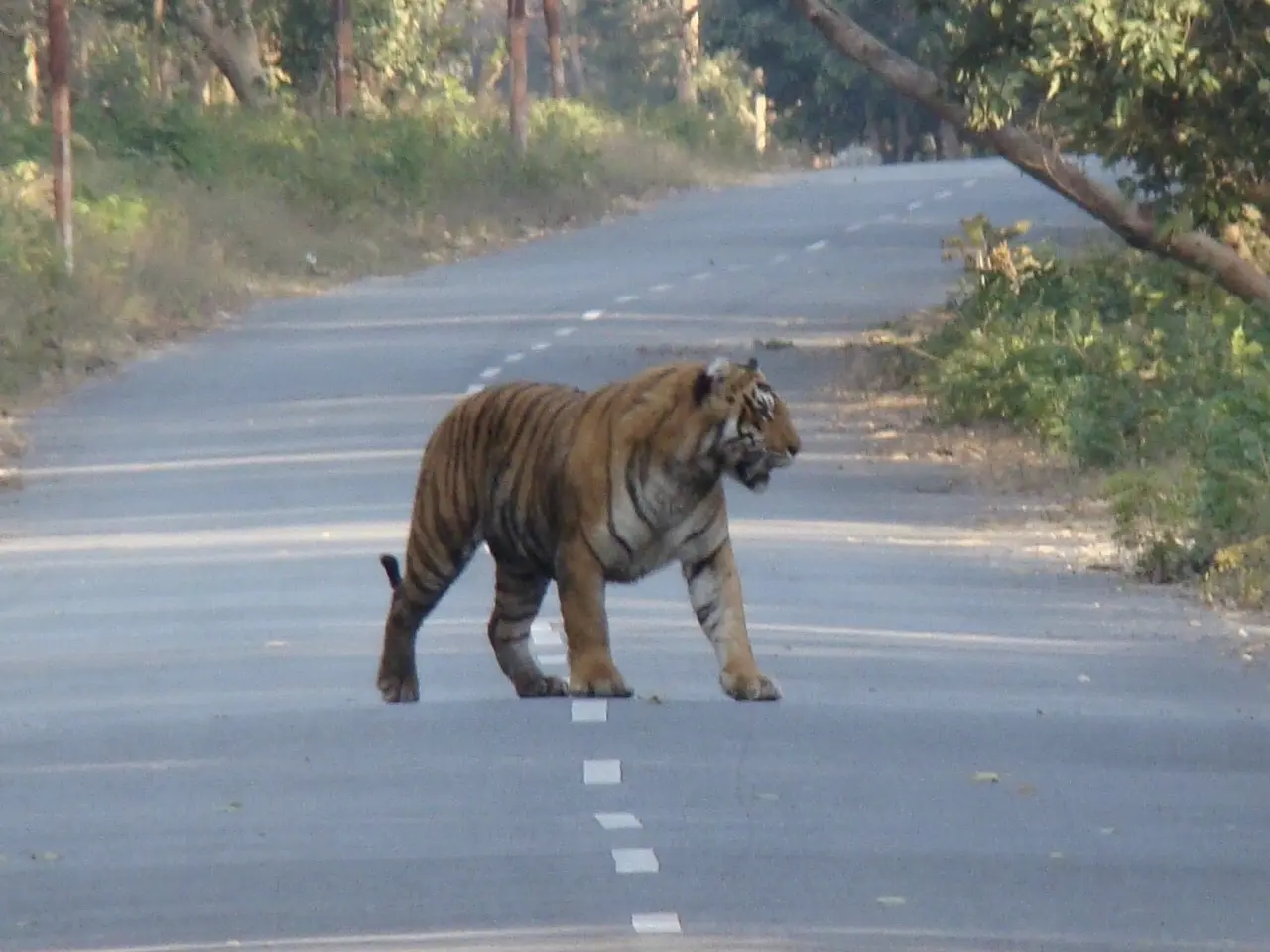
Poaching and illegal tiger trade push wild populations to the brink
The illegal trade in tiger parts remains a critical threat to the survival of wild populations. With fewer than 5,000 tigers left in Asia, poaching and trafficking continue to push the species toward extinction. A new analysis reveals the scale of the problem, showing over 1,100 seizures of tiger parts between 2000 and 2018 alone.
The trade is driven by demand for traditional medicine, where bones, skins, and other body parts fetch high prices. India, home to the largest wild tiger population, is also the biggest source of poached animals, with nearly half of global seizures occurring there.
India currently hosts around 3,682 wild tigers, a slight recovery thanks to conservation efforts. Key habitats include Maharashtra, where some areas hold up to 20 tigers per 100 square kilometres, as well as Kerala, Madhya Pradesh, Karnataka, and Uttarakhand. Yet, despite these gains, poaching remains rampant.
Between 2000 and 2018, authorities recorded 1,142 seizures of tiger parts worldwide. India accounted for almost half of these cases, with most contraband destined for China and Southeast Asia. The U.S. also saw significant activity, with nearly 600 seizures from 2003 to 2012. Major entry points included San Francisco, Dallas, and Atlanta, where imports—often for personal use—arrived from China and Vietnam. The global illegal wildlife trade is worth up to $20 billion annually, excluding ecological damage. It frequently overlaps with other crimes, such as human, gun, and drug trafficking. Tiger farms in China and Southeast Asia, holding up to 8,000 captive animals, further fuel the trade by breeding tigers for their parts. Meanwhile, over 12,500 tigers live in captivity, but fewer than 2,500 are in accredited zoos. Traditional Chinese medicine drives much of the demand, with bones and skins being the most commonly seized items. Nearly every part of the tiger is used, making poaching a persistent and lucrative business.
The illegal tiger trade shows no signs of slowing, despite conservation progress in countries like India. With wild populations still critically low, enforcement and international cooperation remain essential. The continued operation of tiger farms and high demand for their parts keep the black market thriving.