Planning a Galley Kitchen: Even the Narrowest Kitchens Can Look Spacious and Large
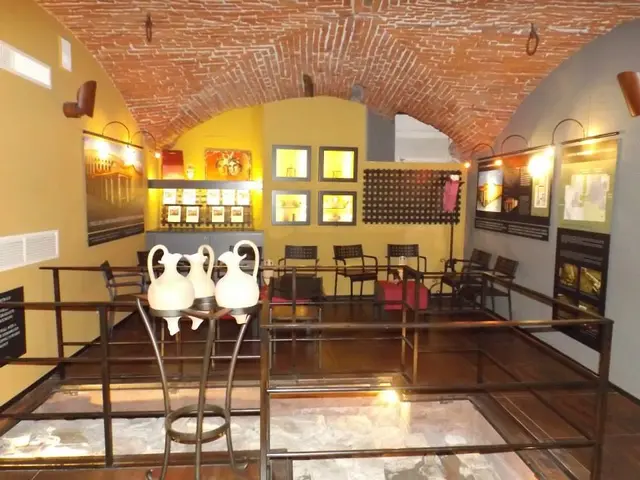
Many of the world’s most famous art galleries occupy historic buildings, blending cultural heritage with modern design. In Berlin, venues like the Alte Nationalgalerie and Berlinische Galerie have repurposed old structures to create spacious, light-filled exhibition spaces. Now, similar principles are inspiring homeowners to transform cramped kitchens into airy, gallery-like rooms by removing barriers and maximising natural light.
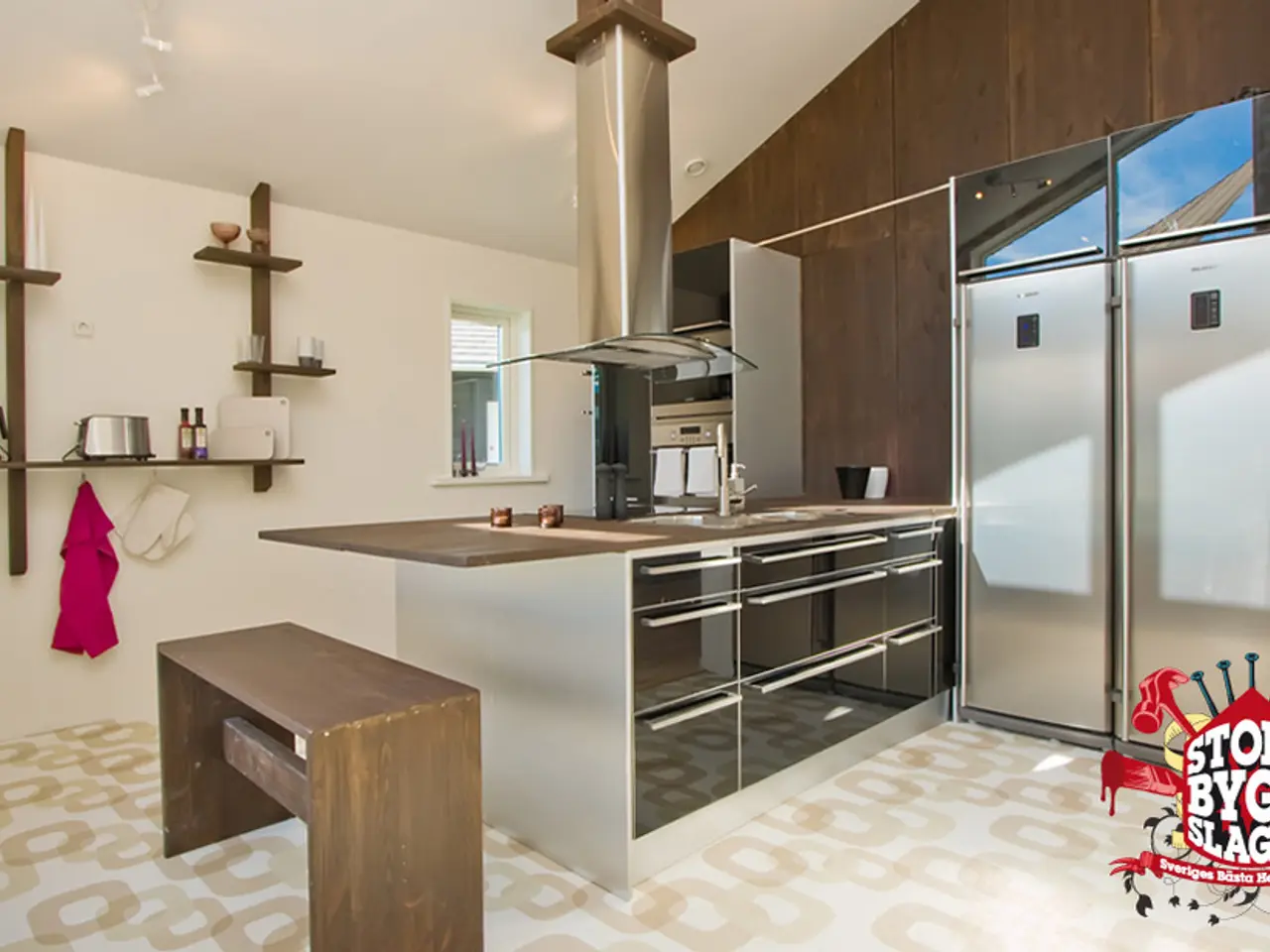
Galley kitchens are known for their narrow, elongated shape—typically 150 to 240 centimetres wide and much longer than they are deep. In a single-row layout, cabinets, appliances, and countertops line one wall, leaving the opposite side open. A double-row version places storage and workspaces on both sides, requiring at least 90 centimetres of clearance, though 100 to 120 centimetres works best for comfortable movement.
To improve flow, the kitchen work triangle—refrigerator, sink, and stove—should follow a straight line along the row. This creates an intuitive sequence for cooking and cleaning. For compact spaces, deep base cabinets with pull-out drawers and wall-mounted storage help maximise every centimetre without clutter. Light colours, reflective surfaces, and thoughtful lighting can make a narrow kitchen feel more open. Glass or mirrors add depth, while large windows or skylights—like those in repurposed galleries—flood the space with natural light. At the entrance, slim cabinets or shallow shelving provide extra storage without blocking the walkway. For dining, slim wall-mounted tables, fold-down models, or extended countertops can double as eating areas. Cantilever designs save floor space, much like the minimalist furniture seen in modern gallery conversions. The goal is to blend functionality with an airy, uncluttered aesthetic.
By borrowing ideas from historic gallery renovations, homeowners can turn tight galley kitchens into bright, efficient spaces. Clever storage, strategic lighting, and open layouts ensure the room remains practical while feeling more expansive. The result is a kitchen that balances heritage-inspired design with everyday usability.