Pantry Cabinets Redefine Kitchen Storage with Smart, Custom Designs
Pantry cabinets have become the most sought-after feature in American kitchens. Nearly half of homeowners now prioritize them in renovation plans, with 76% including them in their designs. Experts say these tall, paneled units offer far more than just extra space storage—they transform kitchen organization.
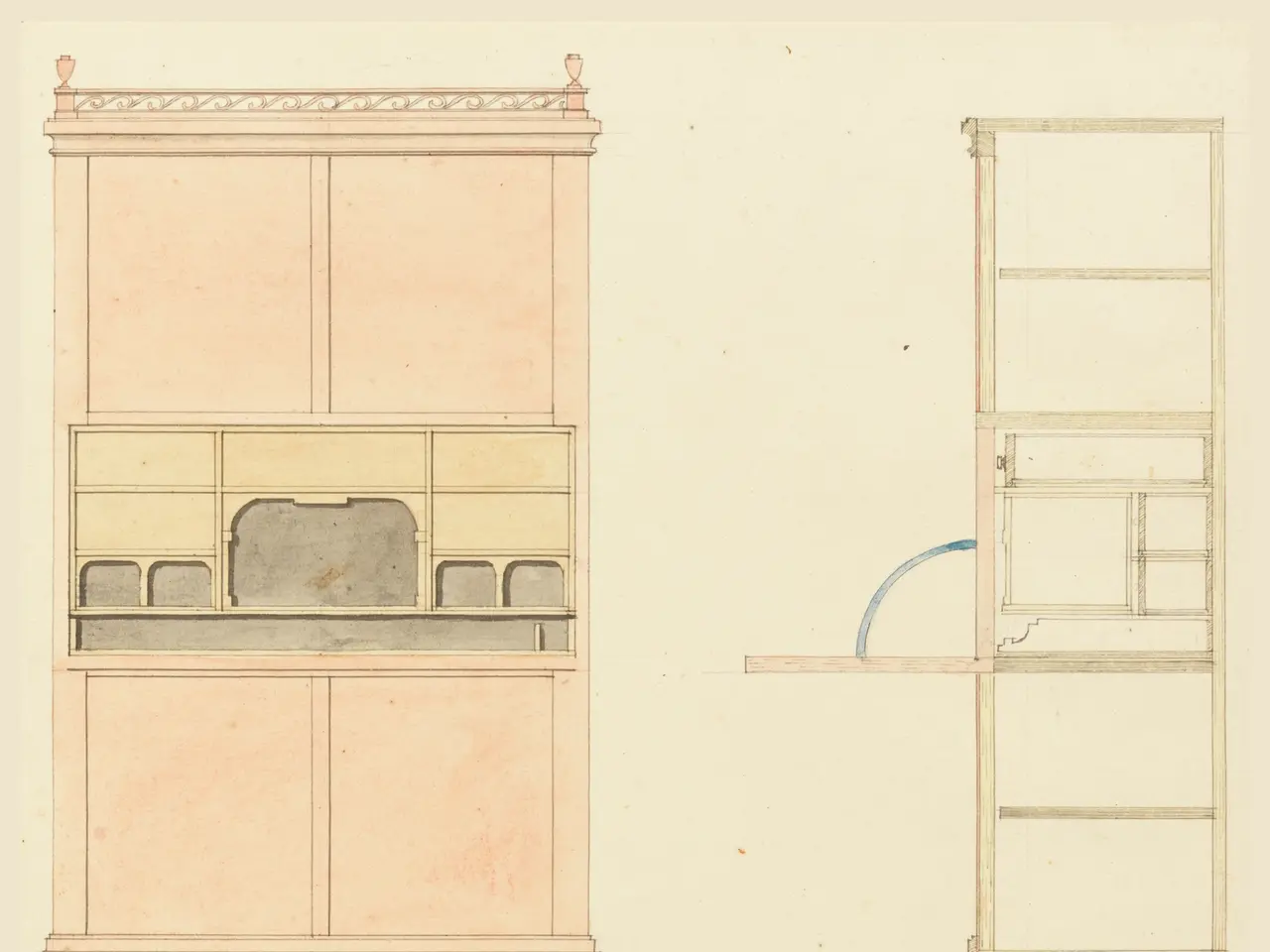
Full-height pantry walls, with doors reaching nine feet tall, provide 35% more usable storage units than traditional cabinet setups. Designers like Kati Curtis describe them as 'architectural anchors' that maximize capacity while reducing clutter. Their deep shelves and adjustable layouts allow homeowners to customize storage for everything from bulk groceries to small appliances.
Adjustable shelving and dedicated zones are now key selling points. Buyers increasingly seek pantries tailored to their daily routines, whether for baking supplies, snacks, or cleaning products. For larger kitchens, a kitchen island can even serve as a secondary public storage, adding flexibility to open-plan layouts.
Storage shortages remain a major concern for homebuyers. A recent survey found 81% of industry experts ranked insufficient storage near me as the top turn-off in kitchens. This demand has cemented pantry cabinets as a must-have, blending practicality with modern design.
The shift toward pantry cabinets reflects changing homeowner needs. With nearly half of renovations now featuring them, these units address storage gaps while improving kitchen workflow. Their popularity shows no signs of slowing, as customization and capacity remain top priorities for buyers and designers alike.