Naguals and the Aztec Calendar: How Bird Spirits Shape Time and Fate
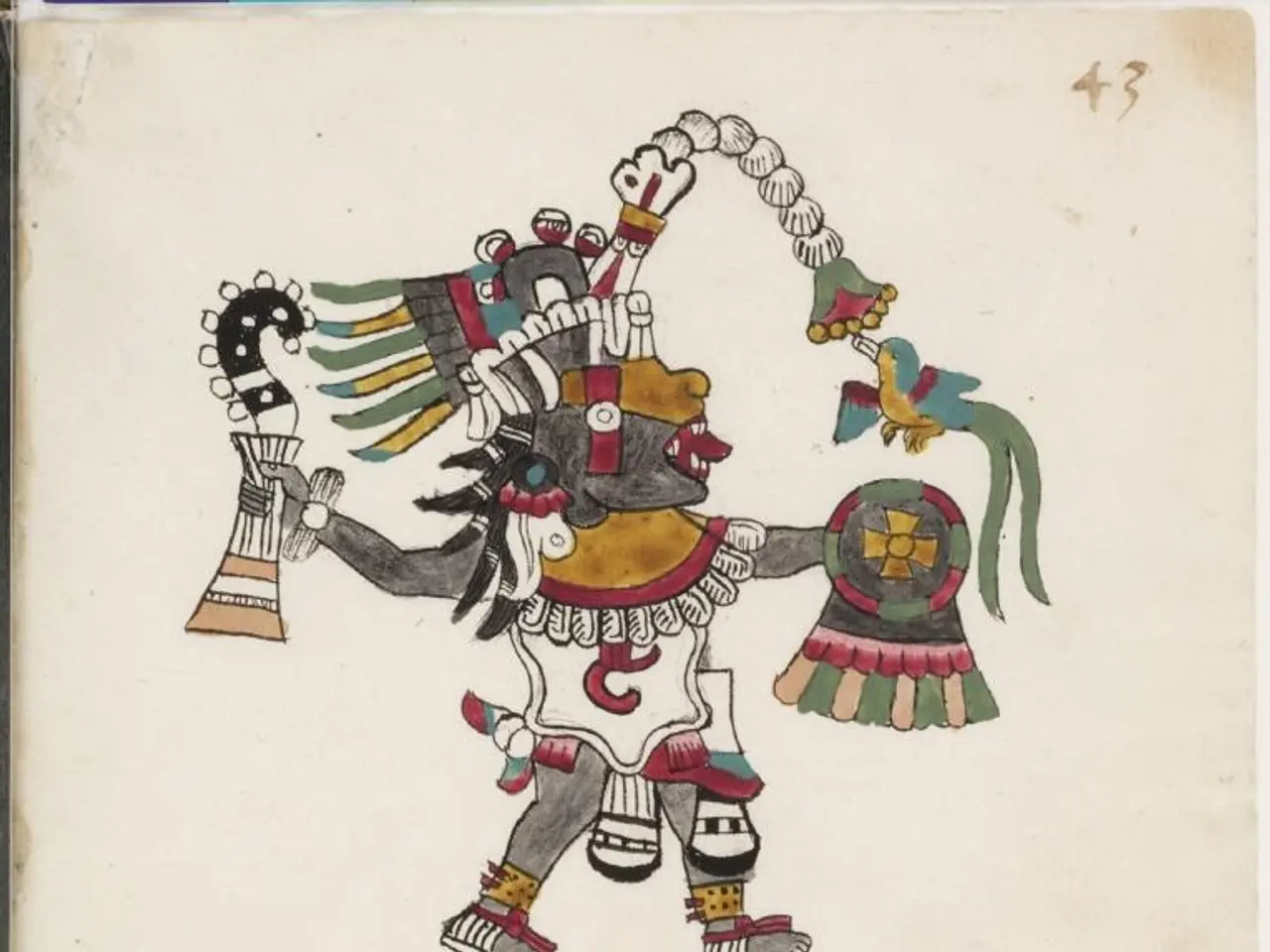
The Aztec tradition holds deep connections between spirits, time, and nature. Central to this belief are the Naguals—guardian spirits that protect shamans and embody animalistic aspects of humans and deities. These spirits also link to the sacred calendar, where each day is guided by a unique bird symbolising its energy.
In Aztec wisdom, Naguals act as protective forces, shielding shamans from illness and harm. Shamans enter altered states of consciousness to communicate with these spirits, drawing strength for healing and guidance. The Naguals are not just guardians but also alter egos, reflecting the animalistic traits of both people and gods.
The Tonalamatl, the Aztec calendar, divides time into thirteen units, each ruled by a deity connected to a Nagual bird. These birds—such as the eagle, turkey, owl, and quetzal—represent the essence of each day's energy. For example, the quail is tied to the Sun god and the number four, while the falcon corresponds to the eighth day lord, Tecpatl. Each bird carries distinct symbolic meaning, shaping the day's influence.
Beyond the calendar, the Hunab Ku symbolises the Mayan concept of the 'One Source,' representing creation, life, and energy. Similarly, the Aztec creation legend tells of Huitzilopochtli forming the sun and moon, reinforcing the link between divine forces and existence. Some traditions involve crafting Nagual oracles from thirteen wooden pieces, which help uncover deeper meanings in life events. However, approaching these practices requires honour and respect for the deities involved.
The Naguals and their bird symbols remain a vital part of Aztec spirituality, offering insight into daily energies and life's challenges. By understanding these connections, people can seek clarity through ancient oracles and symbolic interpretations. The tradition continues to bridge the spiritual and natural worlds, preserving a legacy of wisdom and reverence.