Lingonberries: The Tart Nordic Superfruit Shaping Traditional Cuisine
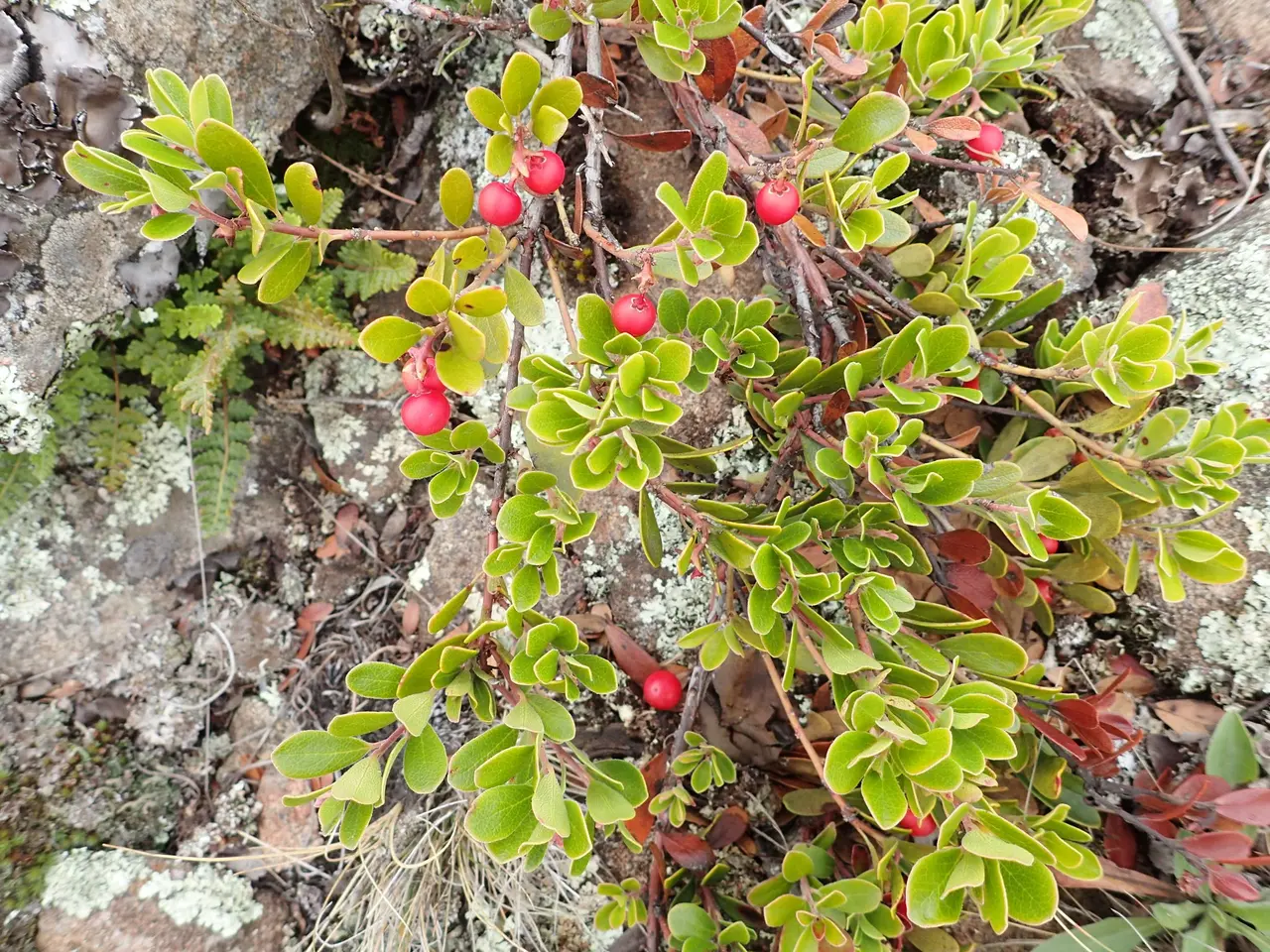
Lingonberries, a wild fruit native to cool regions like Scandinavia, Canada and Alaska, belong to the same plant family as blueberries and cranberries. Though rarely farmed due to their tricky growing conditions, these tart red berries play a key role in traditional dishes and modern recipes alike.
The lingonberry plant is a hardy, low-growing evergreen shrub that spreads through underground stems called rhizomes. It thrives in moist, acidic soil with a pH between 4.5 and 5.5, preferring sandy or loamy ground. Bees pollinate its white to pink flowers, which bloom from May to June, while the berries themselves ripen between August and October.
Scandinavian cuisine makes extensive use of lingonberries, most famously in **lingonsylt**—a tart jam traditionally paired with **köttbullar** (Swedish meatballs). Beyond savoury dishes, the berries appear in desserts like *troll cream* and lingonberry-banana jam. They can also be turned into juices, teas, or syrups, much like cranberries. Nutritionally, lingonberries pack a punch. They contain high levels of antioxidants, flavonoids, and vitamin C, along with anthocyanins—the compounds that give them their deep red colour. While lingonberry tea can be made by steeping the leaves, regular consumption is discouraged due to the presence of arbutin, a compound that may have adverse effects in large amounts.
Despite their challenging cultivation, lingonberries remain a staple in Nordic cooking and a prized wild harvest. Their versatility in both sweet and savoury dishes, combined with their health benefits, ensures their continued popularity. The berries' natural resilience in cold climates also makes them a distinctive feature of northern ecosystems.