Late May frost warning: How to protect your garden from sudden cold snaps
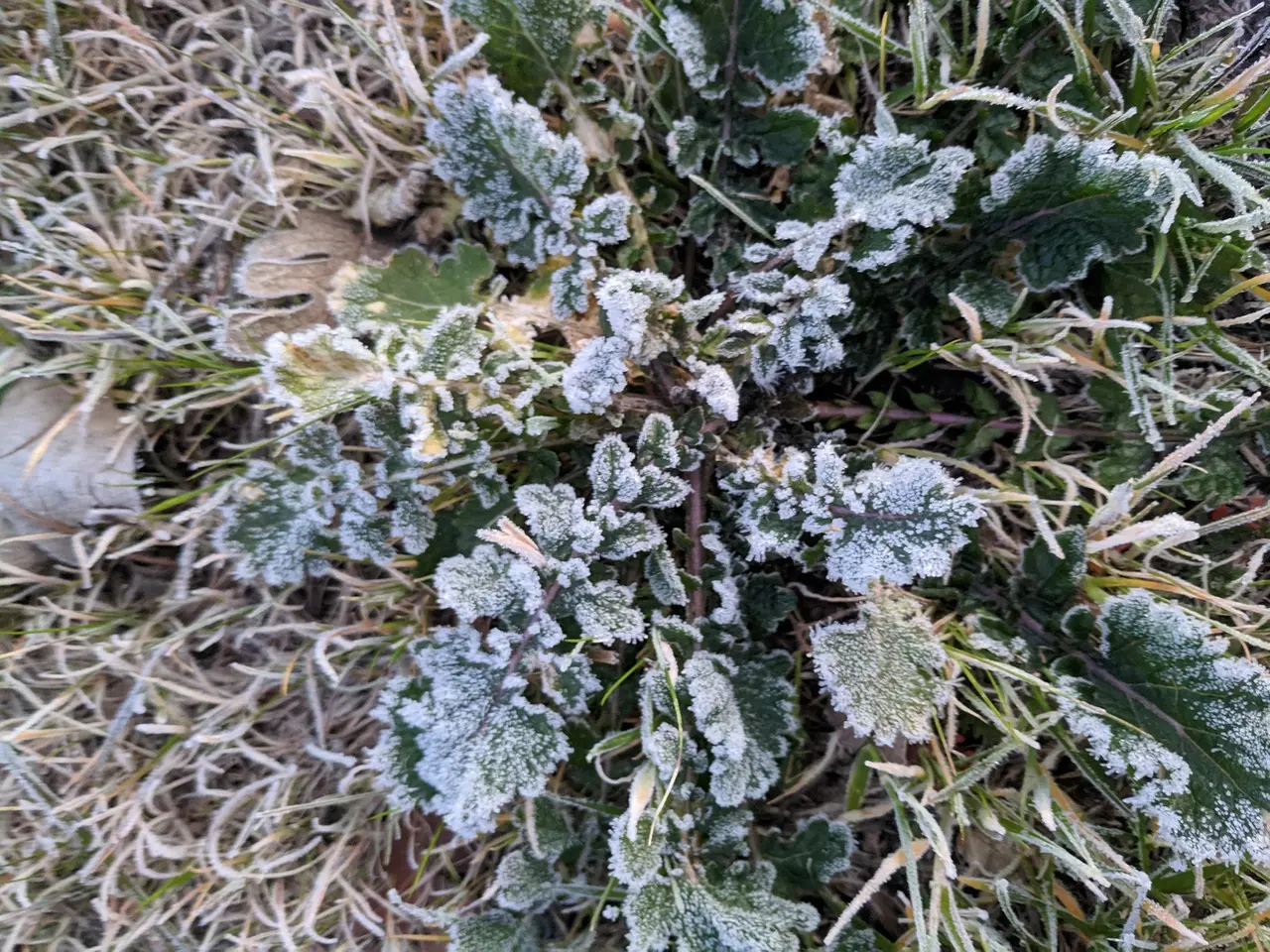
A sudden cold snap has brought stormy weather and subzero temperatures to many regions overnight. Gardeners are now being urged to take action to shield vulnerable plants from frost damage.
The warning comes as records show that late frosts—known as the *Eisheiligen*—have struck between 11 and 15 May in four of the last five years, often catching growers off guard.
Over the past half-decade, northern and eastern Germany have frequently seen unseasonal cold during mid-May. In 2023, temperatures plunged early, with rain and chilly winds sweeping across northern regions from 8 May. Frost alerts were issued near Hamburg and Kiel as recently as 2025, while 2022 remained unusually warm, skipping the traditional Eisheiligen entirely.
This year's sharp drop in temperatures puts tender plants at risk. Herbs like rosemary, if grown indoors or in greenhouses before moving outside, need extra protection on frosty nights. Small pots of vegetables or herbs can be covered with a bucket, cardboard box, or even a clothes drying rack. For larger plants, fleece, old bedsheets, or burlap wrapped loosely around foliage will help trap warmth. Fruit trees in bloom are particularly vulnerable. Applying a lime wash to their trunks can reduce damage from late frosts. Tender perennials and spring bedding plants also require attention, though hardy bulbs like daffodils and anemones will usually survive light overnight chills. Gardeners are advised to delay planting non-hardy species—such as tufted lavender or certain daisies—until after mid-May. Watering plants lightly before a frost can improve their resilience, but soggy soil should be avoided. The combination of moisture and cold can harm roots more than the frost itself.
The repeated pattern of late frosts means growers must stay vigilant each May. Simple measures like covering plants, adjusting watering routines, and timing new plantings can prevent losses. With forecasts predicting more cold nights ahead, protecting vulnerable gardens now will help ensure healthy growth later in the season.