Kuala Lumpur's Green Revival: Parks Protected, Housing Balanced
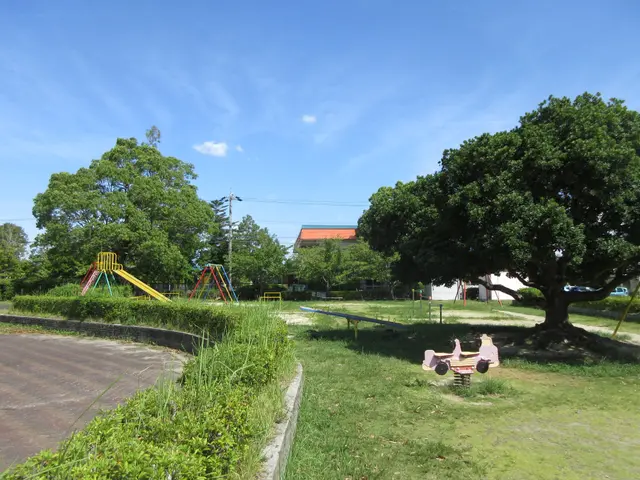
Federal Territories Minister Hannah Yeoh has prioritized the preservation of Kuala Lumpur's green spaces. She acknowledges the challenge of balancing environmental protection with the need for affordable housing in the city. Her plans involve safeguarding existing parks and enhancing their utility for residents.
Yeoh's office is reviewing policies to ensure parks and open areas remain protected for public use. One key step is gazetting existing green spaces to prevent future development. She has also identified inefficiencies in current systems, such as the lack of open data on officially registered green areas and municipal services.
Her vision extends beyond preservation. She wants these spaces to serve practical purposes, such as public recreation, climate resilience, and flood mitigation. Simultaneously, her team is working to repair environmental damage caused by past development projects.
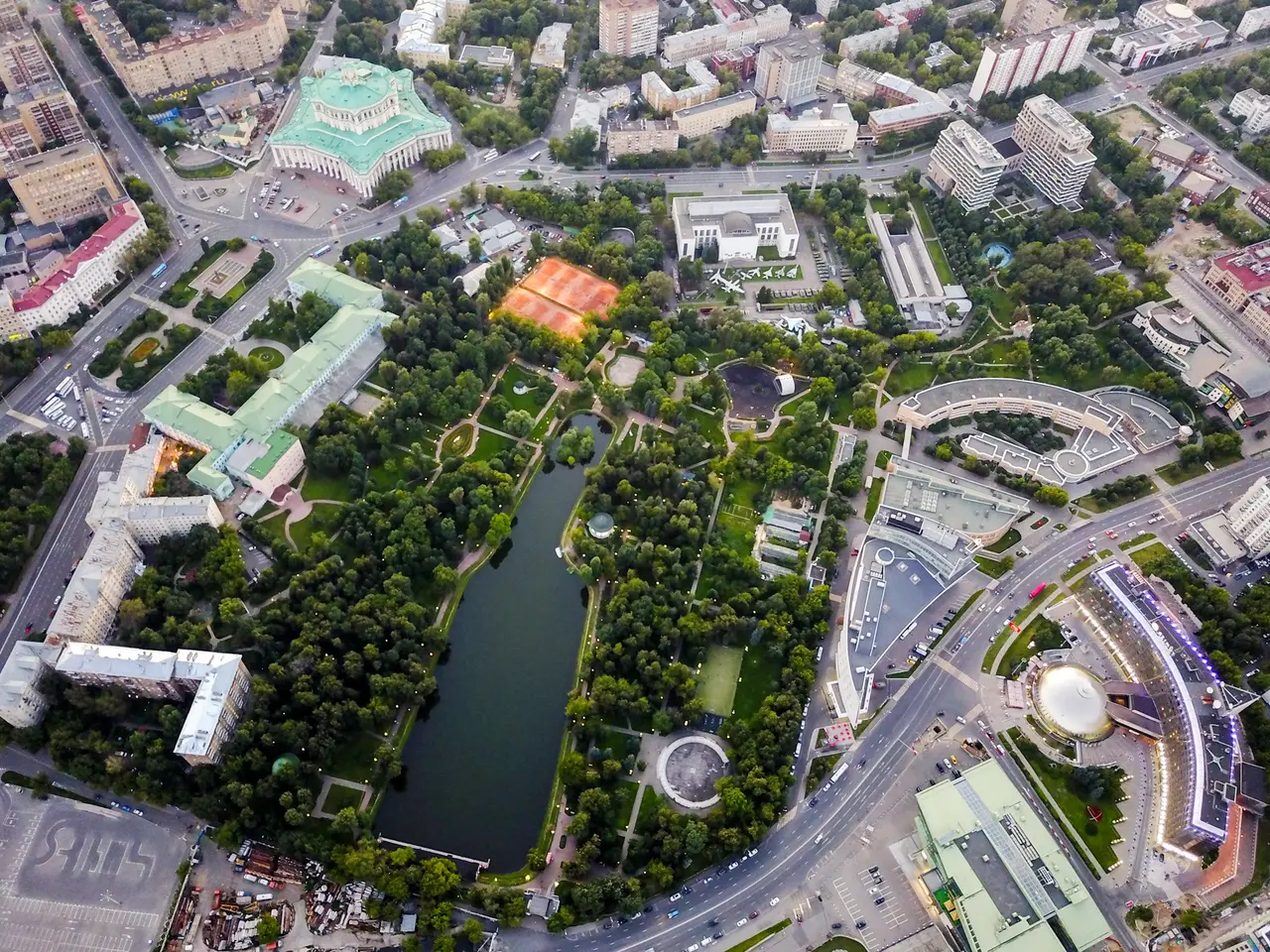
Kuala Lumpur has seen efforts to expand green areas in recent years. Parks like Taman Tasik Titiwangsa and Bukit Nanas Forest Reserve have grown, while initiatives such as the Kuala Lumpur Green City Plan and community park accessibility programs aim to improve public access. However, exact figures on the number of officially registered green spaces added in the past five years remain unclear.
Yeoh's broader goal is to transform the city into a smart, sustainable urban center. She wants long-term residents and senior citizens to feel secure and included, with well-maintained parks and community spaces available to all.
The minister's focus on green spaces comes with clear objectives: protecting parks, improving their function, and repairing past harm. If successful, these measures could reshape Kuala Lumpur's urban landscape, ensuring green areas remain accessible and beneficial for future generations. The challenge will be balancing these efforts with the city's growing housing demands.