Kickstart Your Garden: What to Sow in January for Early Harvests
January marks the start of the sowing season for many vegetables and herbs. While most crops will need protection from frost until mid-May, an early start indoors can lead to bountiful harvests later in the year. Gardeners with a warm, sunny windowsill can begin planting a range of leafy greens, herbs, and even slow-growing summer crops this month.
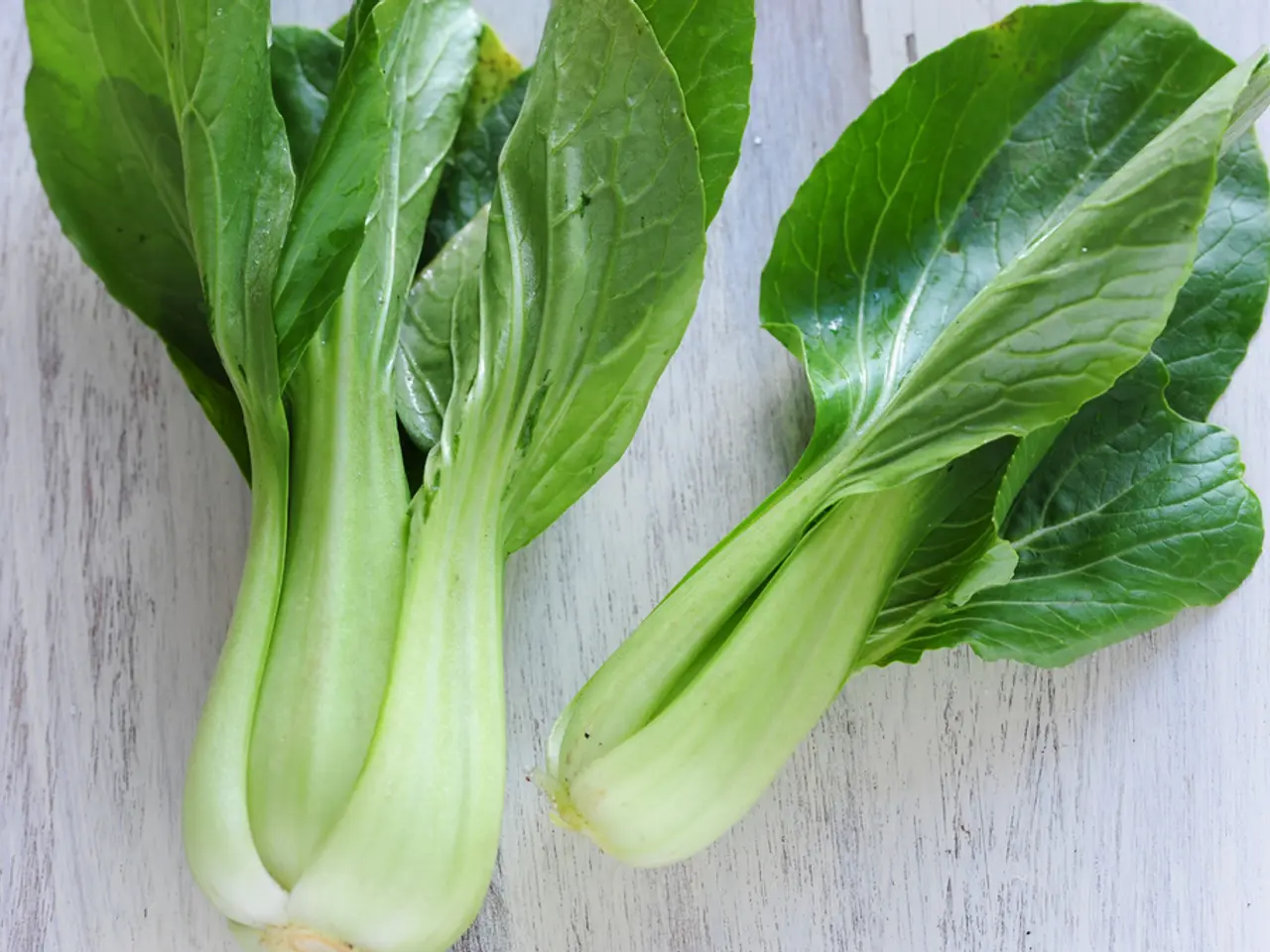
Fast-growing greens like cress, radishes, and spring onions can be sown now for quick harvests in six to eight weeks. Lettuce varieties—including early, winter, and lamb’s lettuce—also thrive when started indoors in January. Spinach, rocket, and Asian greens such as pak choi and mizuna will grow well under the same conditions.
Herbs like chives, parsley, and basil can be sown early, with chives ready to harvest in as little as two months. For those planning ahead, tomatoes, peppers, and chili seeds should be started indoors now, though they will need transplanting outdoors after the last frost in mid-May. Slow-growing crops benefit most from a January start. Celeriac and celery, sown this month, will produce full-sized roots and stalks by autumn and late summer, respectively. Eggplants, which take two to four weeks to germinate, should be planted in late January for a July or August harvest. Chili and bell peppers, with germination times ranging from ten days to five weeks, also gain an advantage from an early sowing. Leeks, one of the hardier vegetables, can be among the first transplanted outside. An early January sowing ensures a spring harvest before other crops are ready.
Starting seeds indoors in January gives many vegetables a head start before the growing season begins in earnest. With careful timing and protection from frost, gardeners can expect harvests ranging from quick greens in weeks to hearty root crops by autumn. The key is choosing the right varieties and providing warmth and light until outdoor conditions improve.